<?xml version="1.0" encoding="ISO-8859-1"?><article xmlns:mml="http://www.w3.org/1998/Math/MathML" xmlns:xlink="http://www.w3.org/1999/xlink" xmlns:xsi="http://www.w3.org/2001/XMLSchema-instance">
<front>
<journal-meta>
<journal-id>0034-7744</journal-id>
<journal-title><![CDATA[Revista de Biología Tropical]]></journal-title>
<abbrev-journal-title><![CDATA[Rev. biol. trop]]></abbrev-journal-title>
<issn>0034-7744</issn>
<publisher>
<publisher-name><![CDATA[Universidad de Costa Rica]]></publisher-name>
</publisher>
</journal-meta>
<article-meta>
<article-id>S0034-77442013000300003</article-id>
<title-group>
<article-title xml:lang="es"><![CDATA[Dinámica de nutrientes en plantaciones forestales de Azadirachta indica (Meliaceae) establecidas para restauración de tierras degradadas en Colombia]]></article-title>
<article-title xml:lang="en"><![CDATA[Nutrient dynamics in forest plantations of Azadirachta indica (Meliaceae) established for resto- ration of degraded lands in Colombia]]></article-title>
</title-group>
<contrib-group>
<contrib contrib-type="author">
<name>
<surname><![CDATA[Flórez-Flórez]]></surname>
<given-names><![CDATA[Claudia Patricia]]></given-names>
</name>
<xref ref-type="aff" rid="A01"/>
</contrib>
<contrib contrib-type="author">
<name>
<surname><![CDATA[León-Peláez]]></surname>
<given-names><![CDATA[Juan Diego]]></given-names>
</name>
<xref ref-type="aff" rid="A01"/>
</contrib>
<contrib contrib-type="author">
<name>
<surname><![CDATA[Osorio-Vega]]></surname>
<given-names><![CDATA[Nelson Walter]]></given-names>
</name>
<xref ref-type="aff" rid="A02"/>
</contrib>
<contrib contrib-type="author">
<name>
<surname><![CDATA[Restrepo-Llano]]></surname>
<given-names><![CDATA[Manuel Fernando]]></given-names>
</name>
<xref ref-type="aff" rid="A01"/>
</contrib>
</contrib-group>
<aff id="A01">
<institution><![CDATA[,Universidad Nacional de Colombia Departamento de Ciencias Forestales Facultad de Ciencias Agropecuarias]]></institution>
<addr-line><![CDATA[ ]]></addr-line>
</aff>
<aff id="A02">
<institution><![CDATA[,Universidad Nacional de Colombia Facultad de Ciencias Escuela de Geociencias]]></institution>
<addr-line><![CDATA[ ]]></addr-line>
</aff>
<pub-date pub-type="pub">
<day>00</day>
<month>06</month>
<year>2013</year>
</pub-date>
<pub-date pub-type="epub">
<day>00</day>
<month>06</month>
<year>2013</year>
</pub-date>
<volume>61</volume>
<numero>2</numero>
<fpage>515</fpage>
<lpage>529</lpage>
<copyright-statement/>
<copyright-year/>
<self-uri xlink:href="http://www.scielo.sa.cr/scielo.php?script=sci_arttext&amp;pid=S0034-77442013000300003&amp;lng=en&amp;nrm=iso"></self-uri><self-uri xlink:href="http://www.scielo.sa.cr/scielo.php?script=sci_abstract&amp;pid=S0034-77442013000300003&amp;lng=en&amp;nrm=iso"></self-uri><self-uri xlink:href="http://www.scielo.sa.cr/scielo.php?script=sci_pdf&amp;pid=S0034-77442013000300003&amp;lng=en&amp;nrm=iso"></self-uri><abstract abstract-type="short" xml:lang="en"><p><![CDATA[Azadirachta indica is a tree species which use is steadily increasing for restoration of tropical and subtropical arid and degraded lands throughout the world. The objective of this research study was to evaluate the potential of these plantations as an active restoration model for the recovery of soils under desertification in arid lands of Colombia. Litter traps and litter-bags were installed in twenty 250m² plots. Green leaves and soil samples inside and outside this species plantations were taken, and their elemental concentrations were determined. Litterfall, leaf litter decomposition and foliar nutrient resorption were moni- tored for one year. The annual contributions of organic material, such as fine litterfall, represented 557.54kg/ha, a third of which was A. indica leaves. The greatest potential returns of nutrients per foliar litterfall were from Ca (4.6kg/ha) and N (2.4kg/ha), and the smallest potential returns came from P (0.06kg/ha). A total of 68% of the foliar material deposited in litter-bags disappeared after one year. The greatest release of nutrients was that of K (100%), and the least was that of N (40%). P was the most limiting nutrient, with low edaphic availability and high nutrient use efficiency from Vitousek´s index (IEV=3176) and foliar nutrient resorption (35%). Despite these plantations are young, and that they have not had forestry management practices, as an active restoration model, they have revitalized the biogeochemical cycle, positively modifying the edaphic parameters according to the increases in organic material, P and K of 72%, 31% and 61%, respectively. Furthermore, they improved the stability of aggregates and the microbe respiration rates. The forest plantation model with exotic species has been opposed by different sectors; however, it has been acknowledged that these projects derive many benefits for the restoration of biodiversity and ecosystemic functions. The conditions of severe land degradation demand the initial use of species, such as A. indica, that can adapt quickly and successfully, and progressively reestablish the biogeochemical cycle.]]></p></abstract>
<abstract abstract-type="short" xml:lang="es"><p><![CDATA[Azadirachta indica A. Juss (Nim) ha sido ampliamente empleada en procedimientos de restauración, por lo tanto se evaluó el potencial de sus plantaciones para restaurar tierras secas degradadas por sobrepastoreo, vía reactivación del ciclo biogeoquímico. En 20 parcelas de 250m², se instalaron trampas de hojarasca y litter-bags. Se tomaron muestras de hojas maduras y de suelos dentro y fuera de las plantaciones, y se determinaron sus contenidos elementales. Fueron monitoreados la caída de hojarasca, la descomposición de hojarasca y la reabsorción de nutrientes foliares durante un año. Los aportes anuales de hojarasca fina representaron 557.54kg/ha (33% hojas de Nim). Los mayores retornos potenciales de nutrientes vía foliar fue- ron de Ca (4.6kg/ha) y N (2.4kg/ha) y los menores de P (0.06kg/ha). El 68% del material se descompuso tras un año. La mayor liberación de nutrientes fue de K (100%) y la menor de N (40%). El P fue el nutriente más limitante, con baja disponibilidad edáfica y alta eficiencia en su uso según el Índice de Vitousek (IEV=3 176) y la reabsorción foliar (35%). Estas plantaciones juveniles demostraron efectividad en la reactivación del ciclo biogeoquímico, que mejoraron parámetros edáficos, según incrementos de materia orgánica, P y K; 72%, 31% y 61%, respectiva- mente. Además mejoraron la estabilidad de agregados y las tasas de respiración microbiana.]]></p></abstract>
<kwd-group>
<kwd lng="en"><![CDATA[soil rehabilitation]]></kwd>
<kwd lng="en"><![CDATA[restoration ecology]]></kwd>
<kwd lng="en"><![CDATA[biogeochemical cycle]]></kwd>
<kwd lng="en"><![CDATA[Neem (Azadirachta indica)]]></kwd>
<kwd lng="en"><![CDATA[litterfall]]></kwd>
<kwd lng="en"><![CDATA[litter decomposition]]></kwd>
<kwd lng="en"><![CDATA[nutrient return]]></kwd>
<kwd lng="es"><![CDATA[rehabilitación de suelos]]></kwd>
<kwd lng="es"><![CDATA[restauración ecológica]]></kwd>
<kwd lng="es"><![CDATA[ciclo biogeoquímico]]></kwd>
<kwd lng="es"><![CDATA[Nim (Azadirachta indica)]]></kwd>
<kwd lng="es"><![CDATA[producción de hojarasca]]></kwd>
<kwd lng="es"><![CDATA[descomposición de hojarasca]]></kwd>
<kwd lng="es"><![CDATA[retorno de nutrientes]]></kwd>
</kwd-group>
</article-meta>
</front><body><![CDATA[ <div style="text-align: justify;">     <div style="text-align: center;"><font style="font-weight: bold;"  size="4"><span style="font-family: verdana;">Din&aacute;mica de nutrientes en plantaciones forestales de </span></font><font  style="font-style: italic;" size="4"><span  style="font-family: verdana;">Azadirachta indica</span></font><font  style="font-weight: bold;" size="4"><span style="font-family: verdana;"> (Meliaceae) establecidas para restauraci&oacute;n de tierras degradadas en Colombia    <br> </span></font><font style="font-weight: bold;" size="4"><span  style="font-family: verdana;">    <br> Nutrient dynamics in forest plantations of </span></font><font style="font-style: italic;" size="4"><span  style="font-family: verdana;">Azadirachta indica</span></font><font  style="font-weight: bold;" size="4"><span style="font-family: verdana;"> (Meliaceae) established for resto-ration of degraded lands&nbsp; in Colombia </span></font><font size="2"><span  style="font-family: verdana;"><span style="font-style: italic;"></span></span></font><br  style="font-family: verdana;"> </div>     <div style="text-align: left;">    <br> </div>     <div style="text-align: center;"><font size="2"><span      style="font-family: verdana;">Claudia Patricia     Fl&oacute;rez-Fl&oacute;rez<sup><a href="#1">1</a><a name="3"></a>*</sup>,     Juan Diego     ]]></body>
<body><![CDATA[Le&oacute;n-Pel&aacute;ez<a href="#1"><sup>1</sup></a>,     Nelson Walter Osorio-Vega<sup><a href="#2">2</a><a name="4"></a>*</sup>     &amp; Manuel     Fernando     Restrepo-Llano<a href="#1"><sup>1</sup></a></span></font><br      style="font-family: verdana;">     </div>     <br style="font-family: verdana;">     <font size="2"><span style="font-family: verdana;"></span></font><font      size="2"><span style="font-family: verdana;"></span></font><font     ]]></body>
<body><![CDATA[ size="-1"><span style="font-family: verdana;"><a      name="Correspondencia2"></a>*<a href="#Correspondencia1">Direcci&oacute;n     para     correspondencia:</a></span></font><br style="font-family: verdana;">     <hr style="width: 100%; height: 2px;"><br style="font-family: verdana;">     <font style="font-weight: bold;" size="2"><span      style="font-family: verdana;">Abstract</span></font><br      style="font-family: verdana;">     <br style="font-family: verdana;">     <font size="2"><span style="font-family: verdana;"><span     ]]></body>
<body><![CDATA[ style="font-weight: bold;"></span><span style="font-style: italic;">Azadirachta     indica</span> is a tree     species which use is steadily increasing for restoration of tropical     and subtropical arid and degraded lands throughout the world. The     objective of this research study was to evaluate the potential of these     plantations as an active restoration model for the recovery of soils     under desertification in arid lands of Colombia. Litter traps and     <span style="font-style: italic;">litter-bags</span> were installed in     twenty 250m<sup>2</sup> plots. Green leaves and soil     samples inside and outside this species plantations were taken, and     ]]></body>
<body><![CDATA[their elemental concentrations were determined. Litterfall, leaf litter     decomposition and foliar nutrient resorption were moni- tored for one     year. The annual contributions of organic material, such as fine     litterfall, represented 557.54kg/ha, a third of which was <span      style="font-style: italic;">A. indica</span>     leaves. The greatest potential returns of nutrients per foliar     litterfall were from Ca (4.6kg/ha) and N (2.4kg/ha), and the smallest     potential returns came from P (0.06kg/ha). A total of 68% of the foliar     material deposited in <span style="font-style: italic;">litter-bags</span>     disappeared after one year. The     ]]></body>
<body><![CDATA[greatest release of nutrients was that of K (100%), and the least was     that of N (40%). P was the most limiting nutrient, with low edaphic     availability and high nutrient use efficiency from Vitousek&acute;s     index (IEV=3176) and foliar nutrient resorption (35%). Despite these     plantations are young, and that they have not had forestry management     practices, as an active restoration model, they have revitalized the     biogeochemical cycle, positively modifying the edaphic parameters     according to the increases in organic material, P and K of 72%, 31% and     61%, respectively. Furthermore, they improved the stability of     aggregates and the microbe respiration rates. The forest plantation     ]]></body>
<body><![CDATA[model with exotic species has been opposed by different sectors;     however, it has been acknowledged that these projects derive many     benefits for the restoration of biodiversity and ecosystemic functions.     The conditions of severe land degradation demand the initial use of     species, such as <span style="font-style: italic;">A. indica</span>,     that can adapt quickly and successfully,     and progressively reestablish the biogeochemical cycle. </span></font><br      style="font-family: verdana;">     <br style="font-family: verdana;">     <font size="2"><span style="font-family: verdana;"><span     ]]></body>
<body><![CDATA[ style="font-weight: bold;">Key words: </span>soil rehabilitation,     restoration ecology, biogeochemical cycle, Neem (<span      style="font-style: italic;">Azadirachta indica</span>),     litterfall, litter decomposition, nutrient return.</span></font><br      style="font-family: verdana;">     <br style="font-family: verdana;">     <font style="font-weight: bold;" size="2"><span      style="font-family: verdana;">Resumen</span></font><br      style="font-family: verdana; font-weight: bold;">     <br style="font-family: verdana;">     ]]></body>
<body><![CDATA[<font size="2"><span style="font-family: verdana;"><span      style="font-style: italic;">Azadirachta&nbsp; indica</span> A. Juss     (Nim) ha sido&nbsp; ampliamente empleada en procedimientos&nbsp; de     restauraci&oacute;n, por lo tanto se evalu&oacute; el&nbsp; potencial     de sus plantaciones para restaurar&nbsp; tierras secas degradadas por     sobrepastoreo,&nbsp; v&iacute;a reactivaci&oacute;n del ciclo     biogeoqu&iacute;mico. En&nbsp; 20 parcelas de 250m<sup>2</sup>, se     instalaron     trampas de hojarasca y <span style="font-style: italic;">litter-bags</span>.     Se tomaron muestras de hojas     ]]></body>
<body><![CDATA[maduras y de suelos dentro y fuera de las plantaciones, y se     determinaron sus contenidos elementales. Fueron monitoreados la     ca&iacute;da de hojarasca, la descomposici&oacute;n de hojarasca y la     reabsorci&oacute;n de nutrientes foliares durante un a&ntilde;o. Los     aportes anuales de hojarasca fina representaron 557.54kg/ha (33% hojas     de Nim). Los mayores retornos potenciales de nutrientes v&iacute;a     foliar fue- ron de Ca (4.6kg/ha)&nbsp; y N (2.4kg/ha) y los menores de     P (0.06kg/ha). El 68% del material se&nbsp; descompuso tras un     a&ntilde;o. La mayor liberaci&oacute;n de nutrientes fue de K (100%) y     la menor de N (40%). El P fue el nutriente m&aacute;s limitante, con     ]]></body>
<body><![CDATA[baja disponibilidad ed&aacute;fica y alta eficiencia en su uso     seg&uacute;n el &Iacute;ndice de Vitousek (IEV=3 176) y la     reabsorci&oacute;n foliar (35%). Estas plantaciones juveniles&nbsp;     demostraron efectividad&nbsp; en&nbsp; la&nbsp;     reactivaci&oacute;n&nbsp; del&nbsp; ciclo&nbsp; biogeoqu&iacute;mico,     que&nbsp; mejoraron&nbsp; par&aacute;metros&nbsp;     ed&aacute;ficos,&nbsp; seg&uacute;n&nbsp; incrementos de materia     org&aacute;nica, P y K; 72%, 31% y 61%, respectiva- mente.     Adem&aacute;s mejoraron la estabilidad de agregados y las tasas de     respiraci&oacute;n microbiana.</span></font><br     ]]></body>
<body><![CDATA[ style="font-family: verdana;">     <br style="font-family: verdana;">     <font size="2"><span style="font-family: verdana;"><span      style="font-weight: bold;">Palabras claves:</span>     rehabilitaci&oacute;n de suelos,&nbsp; restauraci&oacute;n     ecol&oacute;gica, ciclo biogeoqu&iacute;mico, Nim (<span      style="font-style: italic;">Azadirachta indica</span>),     producci&oacute;n&nbsp; de&nbsp; hojarasca, descomposici&oacute;n de     hojarasca, retorno de nutrientes.</span></font><br      style="font-family: verdana;">     ]]></body>
<body><![CDATA[<br style="font-family: verdana;">     <hr style="width: 100%; height: 2px;"><br style="font-family: verdana;">     <font size="2"><span style="font-family: verdana;">La     degradaci&oacute;n o     desertificaci&oacute;n en tierras de zonas &aacute;ridas,     semi&aacute;ridas y subh&uacute;medas secas, representa un problema de     importantes repercusiones ambientales, resultado principalmente de las     variaciones clim&aacute;ticas y de las actividades humanas (UN 1994, Le     Hou&egrave;rou 1975, Reynolds &amp; Stafford-Smith 2002). As&iacute;,     el desmonte y cultivo inadecuado, el pastoreo excesivo&nbsp; y&nbsp;     ]]></body>
<body><![CDATA[la&nbsp; recolecci&oacute;n&nbsp; indiscriminada&nbsp; de plantas     le&ntilde;osas, responden por cerca del 80% de la degradaci&oacute;n de     las tierras &aacute;ridas (Le Hou&egrave;rou 1976, Anaya 1986). </span></font><br      style="font-family: verdana;">     <br style="font-family: verdana;">     <font size="2"><span style="font-family: verdana;">En Colombia, el     reemplazo de la     vegetaci&oacute;n original de las zonas secas, por pastos para ganado,     ha conllevado a la p&eacute;rdida progresiva del Bosque Seco Tropical,     considerado entre los tres ecosistemas m&aacute;s degradados,     ]]></body>
<body><![CDATA[fragmentados&nbsp; y&nbsp; menos&nbsp; conocidos&nbsp; del&nbsp;     pa&iacute;s. </span></font><br style="font-family: verdana;">     <br style="font-family: verdana;">     <font size="2"><span style="font-family: verdana;">As&iacute;, de los     bosques secos a     subh&uacute;medos persisten&nbsp; en&nbsp; la&nbsp; actualidad,&nbsp;     cerca&nbsp; de&nbsp; 1 200km<sup>2</sup> de los 80 000km<sup>2</sup>&nbsp;&nbsp;     originales     (MAVDT 2004). Aunque para la recuperaci&oacute;n de ecosistemas     degradados, los modelos de restauraci&oacute;n pasiva basados en     ]]></body>
<body><![CDATA[procesos de regeneraci&oacute;n natural son sencillos y     econ&oacute;micos, no siempre son exitosos (Holl 2002, Schrautzer <span      style="font-style: italic;">et     al.</span> 2007). Alternativamente,&nbsp; los&nbsp; modelos&nbsp;     de&nbsp;     restauraci&oacute;n activos permiten, adem&aacute;s de restaurar el     h&aacute;bitat para la biodiversidad, acelerar el restablecimiento de     procesos ecol&oacute;gicos como el ciclo de nutrientes y el secuestro     de carbono (Celentano <span style="font-style: italic;">et al.</span>     2011).</span></font><br style="font-family: verdana;">     ]]></body>
<body><![CDATA[<br style="font-family: verdana;">     <font size="2"><span style="font-family: verdana;">El modelo m&aacute;s     com&uacute;n     de restauraci&oacute;n activa es la plantaci&oacute;n de &aacute;rboles     en altas densidades. &Eacute;ste ha revelado la utilidad de las     plantaciones forestales para la recuperaci&oacute;n del suelo y de la     diversidad biol&oacute;gica en tierras tropicales degradadas (Garten     2002, Singh <span style="font-style: italic;">et al.</span> 2002),     como consecuencia de la reactivaci&oacute;n     del ciclo biogeoqu&iacute;mico v&iacute;a producci&oacute;n y     ]]></body>
<body><![CDATA[descomposici&oacute;n de hojarasca. Estos procesos conducen, entre     otros aspectos, al incremento de materia org&aacute;nica y de     nutrientes en el suelo, a la moderaci&oacute;n del pH, al mejoramiento     de la estabilidad de agregados, y al incremento de la capacidad de     almacenamiento de agua (Chakraborty &amp; Chakraborty 1989). Las     especies vegetales que se incorporen en modelos de restauraci&oacute;n     y/o productivos, deben contar con una alta capacidad de     adaptaci&oacute;n a las condiciones extremas de degradaci&oacute;n y un     eficiente reciclado externo de los nutrientes ed&aacute;ficos a     trav&eacute;s de procesos del ciclo biogeoqu&iacute;mico (Ferrari &amp;     ]]></body>
<body><![CDATA[Wall 2004), hacer altos aportes de materia org&aacute;nica al suelo     como hojarasca, y mostrar una alta eficiencia en el uso de los     nutrientes (Sayer &amp; Elliot 2005, Le&oacute;n <span      style="font-style: italic;">et al.</span> 2011).</span></font><br      style="font-family: verdana;">     <br style="font-family: verdana;">     <font size="2"><span style="font-family: verdana;">La     utilizaci&oacute;n de plantas no     aut&oacute;ctonas para un proyecto espec&iacute;fico de     restauraci&oacute;n es aceptada por la Sociedad Internacional para la     ]]></body>
<body><![CDATA[Restauraci&oacute;n Ecol&oacute;gica (SER International), dado que se     reconoce que estas especies cumplen con roles ecol&oacute;gicos     previamente desempe&ntilde;ados por las especies aut&oacute;ctonas,     aclarando que la posterior extirpaci&oacute;n eventual de la especie     debe incluirse en el plan de ejecuci&oacute;n de la estrategia de     restauraci&oacute;n. <span style="font-style: italic;">Azadirachta     indica</span> A. Juss (Nim) ha sido     ampliamente empleada en procedimientos de restauraci&oacute;n, tanto     bajo arreglo en plantaci&oacute;n monoespec&iacute;fica como mixta,     para la recuperaci&oacute;n de suelos degradados en zonas secas     ]]></body>
<body><![CDATA[(Radwanski &amp; Wickens 1981). Caracter&iacute;sticas como la     r&aacute;pida tasa de descomposici&oacute;n de sus hojas han motivado     su consideraci&oacute;n en programas de mejoramiento de la fertilidad     del suelo en terrenos pedregosos y arenosos con tendencia a la     desertificaci&oacute;n (Radwanski &amp;Wickens 1981). Asimismo ha sido     utilizada para la rehabilitaci&oacute;n de suelos alterados&nbsp;     por&nbsp; miner&iacute;a&nbsp; (Singh&nbsp; <span      style="font-style: italic;">et&nbsp; al.</span>&nbsp; 2000),     para la recuperaci&oacute;n de suelos afectados por salinidad (Singh     &amp; Garg 2007), y para la recuperaci&oacute;n de zonas degradadas por     ]]></body>
<body><![CDATA[miner&iacute;a de carb&oacute;n (Mehrotra 1998).</span></font><br      style="font-family: verdana;">     <br style="font-family: verdana;">     <font size="2"><span style="font-family: verdana;">El objetivo de este     estudio fue     valorar el potencial de plantaciones de <span      style="font-style: italic;">A. indica</span> como modelo de     restauraci&oacute;n activa, para la recuperaci&oacute;n de suelos     degradados. Para ello se caracterizaron procesos del ciclo     biogeoqu&iacute;mico, relacionados con los flujos de materia     ]]></body>
<body><![CDATA[org&aacute;nica y nutrientes desde el dosel (producci&oacute;n de     hojarasca y retorno potencial de nutrientes, descomposici&oacute;n de     hojarasca y liberaci&oacute;n de nutrientes, reabsorci&oacute;n y     eficiencia en el uso de nutrientes) y se valoraron par&aacute;metros     f&iacute;sicos y qu&iacute;micos de los suelos, con el fin de observar     la evoluci&oacute;n de las propiedades ed&aacute;ficas en los sitios     plantados, tomando como punto de referencia sitios no plantados     degradados.</span></font><br style="font-family: verdana;">     <br style="font-family: verdana;">     <font style="font-weight: bold;" size="3"><span     ]]></body>
<body><![CDATA[ style="font-family: verdana;">Materiales y m&eacute;todos</span></font><br      style="font-family: verdana;">     <br style="font-family: verdana;">     <font size="2"><span style="font-family: verdana;"><span      style="font-weight: bold;">&Aacute;rea de estudio: </span>El estudio     se realiz&oacute; en Santa Fe de Antioquia, cuenca del r&iacute;o     Cauca, al noroeste de Colombia (6&deg;32&#8217;28&#8217;&#8217; N - 75&deg;48&#8217;6&#8217;&#8217; W,     542msnm). Los valores medios anuales de temperatura,&nbsp; brillo&nbsp;     solar&nbsp; y&nbsp; evaporaci&oacute;n&nbsp; son 26.6&deg;C, 2 172 hr y     1 594mm, respectivamente (Estaci&oacute;n&nbsp;     ]]></body>
<body><![CDATA[meteorol&oacute;gica&nbsp; Cotov&eacute;,&nbsp; 530msnm, 6&deg;33&#8217;59&#8217;&#8217;     N - 75&deg;50&#8217;9&#8217;&#8217; W). El paisaje comprende colinas de sedimentos del     Terciario de baja a media pendiente, con pastos como uso de la tierra     dominante. Los suelos est&aacute;n formados a partir de sedimentos del     R&iacute;o Cauca y presentan una erosi&oacute;n de moderada a severa     con manifestaci&oacute;n de erosi&oacute;n, dejando expuesto&nbsp;     el&nbsp; material&nbsp; parental&nbsp; (anfibolita,&nbsp; L.&nbsp;     Arias 2011, com. pers.). Las plantaciones objeto de estudio contaban al     momento del estudio, con cinco a&ntilde;os de edad, siendo establecidas     en el a&ntilde;o 2004 sobre terrenos degradados por sobre- pastoreo, en     ]]></body>
<body><![CDATA[los que se ha perdido gran parte del horizonte Ap por erosi&oacute;n.     Las plantaciones no recibieron ning&uacute;n tipo de pr&aacute;ctica     silv&iacute;cola, ten&iacute;an una densidad promedio de rodal de 1 033     individuos/ha, un &aacute;rea basal de 1.4m<sup>2</sup>/ha y una altura     de     dominantes de 3.8m.</span></font><br style="font-family: verdana;">     <br style="font-family: verdana;">     <font size="2"><span style="font-family: verdana;"><span      style="font-weight: bold;">Dise&ntilde;o experimental:</span> Dadas     las condiciones topogr&aacute;ficas homog&eacute;neas y la coetaneidad     ]]></body>
<body><![CDATA[de la plantaci&oacute;n, el dise&ntilde;o comprendi&oacute; un muestreo     sistem&aacute;tico en rejilla, estableciendo en cada     intersecci&oacute;n una parcela permanente de 250m<sup>2</sup>, para un     total de     20 parcelas. En cada una&nbsp; se&nbsp; ubicaron&nbsp; tres&nbsp;     trampas&nbsp; circulares&nbsp; con tela de malla fina (0.5m<sup>2</sup>     cada una)     para recolectar&nbsp; hojarasca&nbsp; fina&nbsp; quincenalmente&nbsp;     durante un a&ntilde;o (noviembre de 2009 a noviembre de 2010). La     hojarasca recolectada fue separada por fracciones despu&eacute;s de     ]]></body>
<body><![CDATA[cada recolecci&oacute;n: hojas de <span style="font-style: italic;">A.     indica</span> (HN), hojas de otras     especies (HOe), material le&ntilde;oso (ML) ramas con di&aacute;metro     &lt;2cm y peque&ntilde;os restos de corteza, material reproductivo     (MR), y otros restos (OR). El material se sec&oacute; en horno a     65&deg;C hasta obtener peso constante, despu&eacute;s se combinaron     y&nbsp; homogenizaron&nbsp; las&nbsp; muestras&nbsp; de&nbsp; HN&nbsp;     para cada dos per&iacute;odos quincenales (un mes) y se tom&oacute; una     sub-muestra para an&aacute;lisis qu&iacute;mico. La     descomposici&oacute;n de la hojarasca foliar de <span     ]]></body>
<body><![CDATA[ style="font-style: italic;">A. indica</span> se     estudi&oacute; instalando 27 <span style="font-style: italic;">litter-bags</span>     (20x20cm, 2mm de poro) con     tres gramos de hojas senescentes secas de <span      style="font-style: italic;">A. indica</span> sobre la superficie     del terreno. Se retiraron tres litter- bags a los 14, 28, 56, 84, 126,     168, 269, 297 y 365 d&iacute;as. El material recolectado se     limpi&oacute;, se sec&oacute; a 65&deg;C hasta obtener peso constante     (materia seca residual, MSR). Las muestras de las tres <span      style="font-style: italic;">litter-bags</span>     ]]></body>
<body><![CDATA[recolectadas en cada evento se combinaron y homogenizaron para     an&aacute;lisis qu&iacute;mico (Le&oacute;n <span      style="font-style: italic;">et al.</span> 2011).</span></font><br      style="font-family: verdana;">     <br style="font-family: verdana;">     <font size="2"><span style="font-family: verdana;">Para evaluar la     reabsorci&oacute;n de nutrientes foliares se recolectaron mensualmente,     durante un a&ntilde;o, hojas verdes maduras,     fotosint&eacute;ticamente&nbsp; activas,&nbsp; que&nbsp; no&nbsp;     exhibieran&nbsp; s&iacute;ntomas de enfermedades y/o herbivor&iacute;a,     ]]></body>
<body><![CDATA[y que no correspondieran a estados extremos de edad. Se seleccionaron     10 individuos representativos por parcela, en ocho de las estudiadas.     El material foliar recolectado mensualmente (<span      style="font-style: italic;">ca.</span> 400 hojas), se     combin&oacute; y una sub-muestra fue seleccionada de cada     combinaci&oacute;n, para an&aacute;lisis qu&iacute;mico.</span></font><br      style="font-family: verdana;">     <br style="font-family: verdana;">     <font size="2"><span style="font-family: verdana;"><span      style="font-weight: bold;">An&aacute;lisis de muestras:</span> Para     ]]></body>
<body><![CDATA[los tejidos foliares se determinaron los cationes (Ca, Mg, K), usando     espectrofotometr&iacute;a de absorci&oacute;n at&oacute;mica. El P se     determin&oacute; por el m&eacute;todo de azul de molibdato, el C por     Walkley &amp; Black (1934) y el N mediante Kjeldahl. La Fibra     Detergente &Aacute;cido (FDA) y la Lignina acorde a Goering &amp; van     Soest (1970). La celulosa se obtuvo de la diferencia entre Fibra     Detergente &Aacute;cido (FDA) y Lignina. Para los an&aacute;lisis de     suelos se tom&oacute; una muestra por parcela, hasta una profundidad de     10cm (500-1 000g). De los sitios localizados por fuera de las     plantaciones se tomaron 14 muestras de suelo superficial (sitios     ]]></body>
<body><![CDATA[testigo). Estos sitios testigo fueron seleccionados en pastizales     degradados por sobrepastoreo, aleda&ntilde;os a los sitios plantados,     de caracter&iacute;sticas similares a las que tendr&iacute;an los     lugares evaluados si no se hubieran establecido las plantaciones. No se     realizaron comparaciones con &aacute;reas de referencia (sitios     conservados), dado que no se encontraron puntos representativos con     estas caracter&iacute;sticas, las zonas cercanas son todas de     lomer&iacute;o, dedicadas al pastoreo y se encuentran bajo el influjo     del proceso de degradaci&oacute;n. Para las muestras de suelo se     determinaron las bases intercambiables (Ca, Mg, K) usando acetato de     ]]></body>
<body><![CDATA[amonio (CH<sub>3</sub>COO NH<sub>4</sub>) 1N neutro, y medci&oacute;n     por absorci&oacute;n     at&oacute;mica. El P disponible se determin&oacute; usando el     m&eacute;todo Bray- Kurtz y el N total mediante Kjeldahl. Se     determin&oacute; adem&aacute;s: densidad aparente (DA), estabilidad de     agregados (EA) seg&uacute;n metodolog&iacute;a de Yoder (1936);&nbsp;     NH<sub>4</sub>,&nbsp; mediante&nbsp; extracci&oacute;n&nbsp; con&nbsp;     KCl 2M y     lectura con electrodo de i&oacute;n selectivo (Keeney &amp; Nelson     1982), y liberaci&oacute;n de CO<sub>2</sub> mediante     ]]></body>
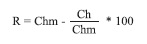
<body><![CDATA[respirometr&iacute;a en     laboratorio (Anderson &amp; Domsch 1978).</span></font><br      style="font-family: verdana;">     <br style="font-family: verdana;">     <font size="2"><span style="font-family: verdana;"><span      style="font-weight: bold;">C&aacute;lculos:</span> La Tasa de Retorno     Potencial de Nutrientes (TRP) v&iacute;a hojarasca foliar fue calculada     como el producto de la concentraci&oacute;n del nutriente por la     materia seca de la hojarasca foliar. La reabsorci&oacute;n de     nutrientes foliares se calcul&oacute; como la diferencia entre las     ]]></body>
<body><![CDATA[cantidades de nutrientes en las hojas verdes y en las hojas muertas     (Hagen-Thorn <span style="font-style: italic;">et al.</span> 2006).     Este valor, dividido por la cantidad del     elemento en las hojas maduras, permite obtener una aproximaci&oacute;n     de la cantidad retranslocada, que multiplicada por 100, la expresa en     porcentaje (Del Arco <span style="font-style: italic;">et al.</span>     1991).    <br> <br style="font-family: verdana;"> </span></font>     <div style="text-align: center;"><img alt=""  src="/img/revistas/rbt/v61n2/a03f1.jpg"  style="width: 147px; height: 44px;">    <br> <br style="font-family: verdana;"> </div> <font size="2"><span style="font-family: verdana;">Donde, Chm es la concentraci&oacute;n del nutriente en las hojas maduras, Ch es la concentraci&oacute;n del nutriente en la hojarasca foliar. La cantidad reabsorbida de cada nutriente (g/ha.a) o Flujo de Reabsorci&oacute;n (Fr), se calcul&oacute; como el producto entre la diferencia absoluta de la concentraci&oacute;n media de las hojas maduras y de la hojarasca foliar, y la producci&oacute;n de hojarasca foliar. La eficiencia en el uso de nutrientes se determin&oacute; a partir del &Iacute;ndice de Eficiencia de Vitousek (1982)&#8211;IEV&#8211;, este &iacute;ndice define la eficiencia con la que es utilizado un nutriente, como la cantidad de materia seca producida en el des- fronde, por unidad de ese nutriente contenida en &eacute;l, es decir, el inverso de la concentraci&oacute;n. La p&eacute;rdida de peso en las <span  style="font-style: italic;">litter-bags</span>, se ajust&oacute; a un modelo simple exponencial (Olson 1963):    ]]></body>
<body><![CDATA[<br> <br style="font-family: verdana;"> </span></font>     <div style="text-align: center;"><img alt=""  src="/img/revistas/rbt/v61n2/a03f2.jpg"  style="width: 76px; height: 47px;">    <br>     <br style="font-family: verdana;">     </div>     <font size="2"><span style="font-family: verdana;">Donde, X<sub>t</sub>     es el peso del material     remanente en el momento t, X<sub>0</sub> es el peso del material seco     inicial, &#8220;e&#8221;     es la base del logaritmo natural, <span style="font-style: italic;">k</span>     ]]></body>
<body><![CDATA[es la tasa de     descomposici&oacute;n, y <span style="font-style: italic;">t</span> el     tiempo. El tiempo requerido para que se     produzca la p&eacute;rdida del 50% y 99% de la materia seca se     calcul&oacute; como t<sub>0.5</sub>=-0.693/k y </span></font><font      size="2"><span style="font-family: verdana;">t<sub>0.99</sub>=-4.605/<span      style="font-style: italic;">k</span>, respectivamente. Se     ajustaron modelos mediante regresi&oacute;n no lineal para la     p&eacute;rdida de peso del material foliar depositado en <span      style="font-style: italic;">litter-bags</span>.     ]]></body>
<body><![CDATA[Se aplic&oacute; an&aacute;lisis de correlaci&oacute;n lineal (r     Pearson, p=0.05) para determinar asociaciones entre las tasas de     p&eacute;rdida de peso y la calidad del sus- trato y la     precipitaci&oacute;n. Para la selecci&oacute;n de los modelos se     emplearon el coeficiente de determinaci&oacute;n (R<sup>2</sup>), el     estad&iacute;stico Durbin-Watson (D-W), y la suma de cuadrados del     error. Para la comparaci&oacute;n de los valores de los     par&aacute;metros de suelos entre los sitios testigo y las     plantaciones, se emple&oacute; la prueba de comparaci&oacute;n de     medianas Mann- Whitney (Wilcoxon) para dos grupos (p=0.05).</span></font><br     ]]></body>
<body><![CDATA[ style="font-family: verdana;">     <br style="font-family: verdana; font-weight: bold;">     <font style="font-weight: bold;" size="3"><span      style="font-family: verdana;">Resultados</span></font><br      style="font-family: verdana;">     <br style="font-family: verdana;">     <font size="2"><span style="font-family: verdana;"><span      style="font-weight: bold;">Producci&oacute;n de hojarasca y     retorno potencial de nutrientes:</span> En la ca&iacute;da de hoja-     rasca fina     ]]></body>
<body><![CDATA[predomin&oacute; la fracci&oacute;n foliar (65%), siendo la     participaci&oacute;n similar para HN y HOe (<a      href="/img/revistas/rbt/v61n2/a03t1.gif">Cuadro 1</a>).     &Uacute;nicamente la fracci&oacute;n MR mostr&oacute; asociaci&oacute;n     positiva y significativa con la precipitaci&oacute;n (r Pearson=0.51,     p=0.05). Las concentraciones de nutrientes en la hojarasca foliar y los     retornos potenciales respectivos, estuvieron dominados por Ca y N,     mientras que los meno- res valores se obtuvieron para P (<a      href="/img/revistas/rbt/v61n2/a03t2.gif">Cuadro 2</a>).</span></font><br      style="font-family: verdana;">     ]]></body>
<body><![CDATA[<br style="font-family: verdana;">     <font size="2"><span style="font-family: verdana;"><span      style="font-weight: bold;">Descomposici&oacute;n de hojarasca     y liberaci&oacute;n de nutrientes: </span>Despu&eacute;s de un     a&ntilde;o la     Materia Seca Residual (MSR) alcanz&oacute; en pro- medio 31.8% del     material inicialmente depositado en las <span      style="font-style: italic;">litter-bags</span> (<a      href="/img/revistas/rbt/v61n2/a03i1.jpg">Fig. 1</a>). La     mayor&iacute;a de los par&aacute;metros de calidad de dicho material se     ]]></body>
<body><![CDATA[incrementaron al finalizar el estudio (<a      href="/img/revistas/rbt/v61n2/a03t3.gif">Cuadro 3</a>), sin embargo no     se     encontr&oacute; una asociaci&oacute;n significativa (p&gt;0.05) a     partir de los coeficientes de correlaci&oacute;n de Pearson, entre la     MSR y los par&aacute;metros de calidad de hojarasca, ni con la     precipitaci&oacute;n. A partir de la constante anual de     descomposici&oacute;n (<span style="font-style: italic;">k</span>) del     modelo simple exponencial negativo     (<span style="font-style: italic;">k</span>=1.58), el tiempo necesario     ]]></body>
<body><![CDATA[para que se descomponga el 50% del     material (t<sub>0.5</sub>) ser&iacute;a de 0.44 a&ntilde;os (161     d&iacute;as) y de     2.91 a&ntilde;os (1 062 d&iacute;as) para una descomposici&oacute;n de     99% (t<sub>0.99</sub>). </span></font><br style="font-family: verdana;">     <br style="font-family: verdana;">     <font size="2"><span style="font-family: verdana;">Al finalizar el     estudio se     encontr&oacute; el patr&oacute;n decreciente K&gt;P&gt;Mg&gt;Ca&gt;N     para las cantidades remanentes de nutrientes (<a     ]]></body>
<body><![CDATA[ href="/img/revistas/rbt/v61n2/a03i2.jpg">Fig. 2</a>). La m&aacute;xima     liberaci&oacute;n se produjo para K (99.9%) y la m&iacute;nima para N     (40.9%). Al comienzo del estudio la liberaci&oacute;n de N fue lenta,     predominando luego la inmovilizaci&oacute;n.</span></font><br      style="font-family: verdana;">     <br style="font-family: verdana;">     <font size="2"><span style="font-family: verdana;"><span      style="font-weight: bold;">Reabsorci&oacute;n y eficiencia en     el uso de nutrientes:</span> Las mayores concentraciones de nutrientes     en las     ]]></body>
<body><![CDATA[hojas maduras fueron de N y Ca, y las menores las de P (<a      href="/img/revistas/rbt/v61n2/a03t4.gif">Cuadro 4</a>). La     mayor eficiencia en el uso de nutrientes se encontr&oacute; para el P     (IEV=3 175.5) y la menor para el Ca (IEV=49.9). La mayor     reabsorci&oacute;n de nutrientes foliares se observ&oacute; para el K     (R=60%), mientras que el Mg con R=6.8%, se comport&oacute; como el     nutriente menos m&oacute;vil. En t&eacute;rminos absolutos, el mayor     flujo de nutrientes reabsorbidos anualmente fue el de N (<span      style="font-style: italic;">ca.</span> 1 390g/ha)     y los menores los de Mg y P (<span style="font-style: italic;">ca.</span>     ]]></body>
<body><![CDATA[30g/ha).</span></font><br style="font-family: verdana;">     <br style="font-family: verdana;">     <font size="2"><span style="font-family: verdana;"><span      style="font-weight: bold;">Evoluci&oacute;n de las propiedades     ed&aacute;ficas:</span> Al comparar los par&aacute;metros     qu&iacute;micos     ed&aacute;ficos de las plantaciones con los de los sitios     Testigo,&nbsp; se&nbsp; observ&oacute;&nbsp; un&nbsp;     patr&oacute;n&nbsp; de&nbsp; mejoramiento (<a      href="/img/revistas/rbt/v61n2/a03t5.gif">Cuadro 5</a>). Tales     ]]></body>
<body><![CDATA[mejoramientos se determina- ron para MO, DA, N, P, K y actividad micro-     biol&oacute;gica, reflejada en liberaci&oacute;n de CO<sub>2</sub>.</span></font><br      style="font-family: verdana;">     <br style="font-family: verdana; font-weight: bold;">     <font style="font-weight: bold;" size="3"><span      style="font-family: verdana;">Discusi&oacute;n</span></font><br      style="font-family: verdana;">     <br style="font-family: verdana;">     <font size="2"><span style="font-family: verdana;">Producci&oacute;n&nbsp;&nbsp;     de&nbsp;&nbsp; hojarasca&nbsp;&nbsp; y&nbsp;&nbsp; retorno potencial de     ]]></body>
<body><![CDATA[nutrientes: Los aportes de hojarasca&nbsp; fina&nbsp; (<a      href="/img/revistas/rbt/v61n2/a03t1.gif">Cuadro&nbsp;     1</a>)&nbsp; fueron&nbsp; inferiores a&nbsp; los&nbsp; reportados&nbsp;     para&nbsp; plantaciones&nbsp; forestales&nbsp; de&nbsp; tierras&nbsp;     bajas&nbsp; tropicales&nbsp; (<span style="font-style: italic;">ca.</span>&nbsp;     5-10Mg/ ha.a: Goma-Tchimbakala     &amp; Bernhard-Reversat 2006, Barlow <span style="font-style: italic;">et     al.</span> 2007) y a los     se&ntilde;alados por Singh <span style="font-style: italic;">et al.</span>     (1999) para plantaciones de     ]]></body>
<body><![CDATA[<span style="font-style: italic;">Azadirachta indica</span> en suelos     degradados por miner&iacute;a (2     990kg/ha.a para hojarasca foliar y 3 620kg/ha.a para hojarasca total).     Dada la falta de pr&aacute;cticas de manejo de las plantaciones, y la     falta de cierre del dosel, se facilit&oacute; la presencia de especies     pioneras, dando lugar a un alta participaci&oacute;n de hojas de otras     especies (HOe), principalmente <span style="font-style: italic;">Byrsonima</span>     sp., que han derivado     ventajas para la presencia de los &aacute;rboles de <span      style="font-style: italic;">A. indica</span> plantados.</span></font><br     ]]></body>
<body><![CDATA[ style="font-family: verdana;">     <br style="font-family: verdana;">     <font size="2"><span style="font-family: verdana;">Las concentraciones     medias de     nutrientes en la hojarasca foliar de <span style="font-style: italic;">A.     indica</span> siguieron la secuencia     Ca&gt;N&gt;Mg&gt;K&gt;P, siendo los valores de Ca superiores a los de     bosques secos de tierras bajas tropicales (1.7kg/ha.a: Singh <span      style="font-style: italic;">et al.</span>     2004). Estas altas concentraciones de Ca, as&iacute; como las de Mg     ]]></body>
<body><![CDATA[(<span style="font-style: italic;">ca.</span> 0.5%), coinciden con su     disponibilidad ed&aacute;fica, que     favorece su captura y asimilaci&oacute;n. Por el contrario, las     concentraciones foliares de K (<span style="font-style: italic;">ca.</span>     0.3%) se ubicaron en el extremo     inferior del intervalo pantropical (0.27&plusmn;0.11: Duivenvoorden     &amp; Lips 1995). Esta escasez de K podr&iacute;a ser el reflejo de las     caracter&iacute;sticas ed&aacute;ficas, condicionadas por la alta     participaci&oacute;n del Mg, que siendo superior en proporci&oacute;n a     la del Ca, genera una relaci&oacute;n Ca/Mg&lt;1 (0.96) y una mayor     ]]></body>
<body><![CDATA[absorci&oacute;n de Mg (Mar&iacute;n 1986), limitando en consecuencia     las concentraciones de K.</span></font><br style="font-family: verdana;">     <br style="font-family: verdana;">     <font size="2"><span style="font-family: verdana;">Las concentraciones     de N en la     necro- masa foliar fueron cercanas a las reportadas por Singh <span      style="font-style: italic;">et al.</span>     1999 (1.0%) y por Jha &amp; Mohapatra 2010 (<span      style="font-style: italic;">ca.</span> 1.2%) en plantaciones     similares, representando una disponibilidad aceptable del elemento. El     ]]></body>
<body><![CDATA[mayor d&eacute;ficit de nutrientes se encontr&oacute; para P, siendo     alta la relaci&oacute;n&nbsp; N/P (43),&nbsp; superando&nbsp; en&nbsp;     casi&nbsp; cuatro &oacute;rdenes de magnitud la sugerida como     cr&iacute;tica (11.9: Aerts 1997). La mayor variabilidad temporal en la     concentraci&oacute;n de nutrientes la mostr&oacute; el K, resultado de     su car&aacute;cter m&oacute;vil (Hagen-Thorn <span      style="font-style: italic;">et al.</span> 2006). Los retornos     anuales de N y P v&iacute;a hojarasca fina, fueron muy inferiores&nbsp;     a&nbsp; los&nbsp; reportados&nbsp; para&nbsp; plantaciones de <span      style="font-style: italic;">A. indica</span>     ]]></body>
<body><![CDATA[en la India (29.9-66.4kg/ha.a y 1.7-4.3kg/ha.a: Singh <span      style="font-style: italic;">et al.</span> 1999, Jha     &amp; Mohapatra 2010). Estas grandes diferencias se deben a la mayor     producci&oacute;n de hojarasca en tales sitios (2 990kg/ha.a y 5     400/kg/ha.a), asociadas a mayores valores de densidad, biomasa y edad     del rodal (Singh <span style="font-style: italic;">et al.</span> 1999,     Jha &amp; Mohapatra 2010). Por otra     parte, los retornos potenciales de N y P v&iacute;a hojarasca foliar     del estudio se corresponden con los encontrados en bosques secos de la     India y M&eacute;xico (N: 2.0kg/ha.a y P: 0.07-0.1kg/ha.a: Singh <span     ]]></body>
<body><![CDATA[ style="font-style: italic;">et al.</span>     2004, C&aacute;rdenas &amp; Campo 2007).</span></font><br      style="font-family: verdana;">     <br style="font-family: verdana;">     <font size="2"><span style="font-family: verdana;"><span      style="font-weight: bold;">Descomposici&oacute;n de hojarasca     y liberaci&oacute;n de nutrientes:</span> Al comienzo del estudio se     present&oacute; la mayor p&eacute;rdida de peso del material en las     <span style="font-style: italic;">litter-bags</span>, y se     observ&oacute; hacia el d&iacute;a 56 una     ]]></body>
<body><![CDATA[descomposici&oacute;n cercana al 35%, luego fue m&aacute;s lenta. Altas     p&eacute;rdidas de peso en&nbsp; las&nbsp; primeras&nbsp; etapas&nbsp;     del&nbsp; proceso,&nbsp; coinciden con lo reportado por     Goma-Tchimbakala &amp; Bernhard-Reversat (2006) para <span      style="font-style: italic;">Terminalia superba</span>     y bosque tropical natural, as&iacute; como por Castellanos &amp;     Le&oacute;n (2011) en plantaciones de <span style="font-style: italic;">Acacia     mangium</span>. De acuerdo con     Hern&aacute;ndez &amp; Murcia (1992) y Fioretto <span      style="font-style: italic;">et al.</span> (2005), la     ]]></body>
<body><![CDATA[calidad&nbsp; del&nbsp; sustrato&nbsp; determina&nbsp; su&nbsp;     velocidad de descomposici&oacute;n, siendo reportados como buenos     predictores, los contenidos de lignina, fenoles, N, C y P, y las     relaciones C/N, C/P, y N/P (Mart&iacute;nez-Yr&iacute;zar <span      style="font-style: italic;">et al.</span> 2007,     Prause &amp; Fern&aacute;ndez 2007, Castellanos &amp; Le&oacute;n     2011). Aunque el contenido de lignina fue bajo en comparaci&oacute;n     con lo encontrado para otras plantaciones&nbsp; forestales&nbsp;     subtropicales&nbsp; y&nbsp; tropicales (Kadir <span      style="font-style: italic;">et al.</span> 2001, astellanos     ]]></body>
<body><![CDATA[&amp; Le&oacute;n 2011), &eacute;sta pareciera ejercer un control sobre     la p&eacute;rdida de peso. Al final del experimento, se encontraron     incrementos de ella con respecto a los valores iniciales, que indica un     aumento de formas recalcitrantes, y afecta la p&eacute;rdida de peso     del material remanente en las bolsas.</span></font><br      style="font-family: verdana;">     <br style="font-family: verdana;">     <font size="2"><span style="font-family: verdana;">El par&aacute;metro     N/P     reflej&oacute; su efecto directo sobre la descomposici&oacute;n,     ]]></body>
<body><![CDATA[conforme las mayores tasas de p&eacute;rdida de peso del material     foliar se asociaron con menores valores de &eacute;ste, como resultado     de la escasez de P en el suelo y en los &oacute;rganos foliares, lo     cual condiciona la actividad de los microorganismos descomponedores,     disminuyendo la velocidad de descomposici&oacute;n. Seg&uacute;n Aerts     (1997), 11.9 es el valor cr&iacute;tico para la relaci&oacute;n N/P en     la hojarasca foliar. En los bosques tropicales, &eacute;ste representa     alg&uacute;n grado de escasez de P para los organismos descomponedores,     ya que en las c&eacute;lulas de hongos y bacterias tal relaci&oacute;n     se encuentra alrededor de 10-15 (Swift <span     ]]></body>
<body><![CDATA[ style="font-style: italic;">et al.</span> 1979). El valor N/P     inicial en este estudio (23.3) evidencia las limitaciones de P, y     as&iacute; su posible inmovilizaci&oacute;n biol&oacute;gica. La tasa     de descomposici&oacute;n (<span style="font-style: italic;">k</span>=1.58),     se localiz&oacute; dentro del     intervalo reportado para bosques y plantaciones de tierras bajas     tropicales (<span style="font-style: italic;">k</span>=0.1-4.8:     Sundarapandian &amp; Swamy 1999, Singh <span      style="font-style: italic;">et al.</span>     1999, Kurzatkowski <span style="font-style: italic;">et al.</span>     ]]></body>
<body><![CDATA[2004). Esto tiene significativas     repercusiones desde la perspectiva de recuperaci&oacute;n de tierras     degradadas, ya que dicho valor supone el aporte de importantes     cantidades de compuestos org&aacute;nicos y nutrientes liberados desde     la hojarasca, que contribuyen al restablecimiento de las propiedades     ed&aacute;ficas y su actividad biol&oacute;gica. Singh <span      style="font-style: italic;">et al.</span> (1999)     encontraron para plantaciones de Nim sobre suelos degradados por     miner&iacute;a, una tasa de descomposici&oacute;n similar a la del     presente estudio (<span style="font-style: italic;">k</span>=1.31), y     ]]></body>
<body><![CDATA[consecuentemente</span></font><font size="2"><span      style="font-family: verdana;"> una MSR semejante (27%).</span></font><br      style="font-family: verdana;">     <br style="font-family: verdana;">     <font size="2"><span style="font-family: verdana;">La tendencia a     incrementarse las     concentraciones de nutrientes en el material evaluado para     descomposici&oacute;n, coincide con lo reportado por Singh <span      style="font-style: italic;">et al.</span>     (2004). El patr&oacute;n general de liberaci&oacute;n de nutrientes     ]]></body>
<body><![CDATA[estuvo dominado por el K, alcanzando al t&eacute;rmino del estudio su     casi totalidad con respecto al contenido inicial, resultado de su     car&aacute;cter m&oacute;vil (Parker 1983). Se verific&oacute; un     patr&oacute;n de liberaci&oacute;n neta para los nutrientes restantes,     con excepci&oacute;n del N, que experiment&oacute; una fase inicial de     liberaci&oacute;n, para luego dominar la inmovilizaci&oacute;n,     conforme ha sido encontrado en otros estudios (Mtambanengwe &amp;     Kirchmann 1995). Esto pudo producirse, por el aumento de la biomasa     microbiana de organismos colonizadores (Cochran 1990, Schlesinger 1991)     as&iacute; como por la invasi&oacute;n del material por el micelio de     ]]></body>
<body><![CDATA[los hongos (Castellanos &amp; Le&oacute;n 2011), o por fijaci&oacute;n     atmosf&eacute;rica de N2 (Wood 1974). Estos factores pueden incrementar     la concentraci&oacute;n foliar de N, con lo cual, a pesar de seguirse     registrando p&eacute;rdidas de la materia seca en las <span      style="font-style: italic;">litter-bags</span> hacia     el final del estudio, las cantidades remanentes calculadas para este     nutriente se incrementan o disminuyen poco. La baja     mineralizaci&oacute;n del N podr&iacute;a explicarse tambi&eacute;n a     partir de los par&aacute;metros de calidad del sustrato depositado en     las <span style="font-style: italic;">litter-bags</span>. As&iacute;,     ]]></body>
<body><![CDATA[se ha argumentado que la     mineralizaci&oacute;n del N y la descomposici&oacute;n de la materia     org&aacute;nica son r&aacute;pidas cuando la relaci&oacute;n C/N es     inferior a 25-40 y el contenido de N supera el intervalo 1.0-2.5%     (Torreta &amp; Takeda 1999 y Ngoran <span style="font-style: italic;">et     al.</span> 2006),&nbsp; condiciones     diferentes a las de este estudio (C/N: 38.94 y N: 0.7%).</span></font><br      style="font-family: verdana;">     <br style="font-family: verdana;">     <font size="2"><span style="font-family: verdana;">Las cantidades     ]]></body>
<body><![CDATA[residuales de P     tendieron a disminuir, coincidiendo con lo reportado por Ngoran <span      style="font-style: italic;">et al.</span>     (2006), para Acacia auriculiformis y <span style="font-style: italic;">Acacia     mangium</span>, aunque en algunos     momentos se observ&oacute; su inmovilizaci&oacute;n. Dadas las bajas     concentraciones de P en el material foliar, la liberaci&oacute;n     efectiva se produjo principalmente como resultado de las     p&eacute;rdidas de peso experimentadas por las hojas en las     <span style="font-style: italic;">litter-bags</span>, antes que por el     ]]></body>
<body><![CDATA[efecto de la concentraci&oacute;n del     elemento. La liberaci&oacute;n efectiva de Ca y Mg (ambos alcalinos),     cuyo patr&oacute;n de liberaci&oacute;n fue muy similar, con     aproximadamente 75% en ambos casos, se produce como resultado de la     baja acidez del suelo y su disponibilidad en el complejo de cambio, por     lo tanto no hay una limitaci&oacute;n de la actividad     microbiol&oacute;gica, conforme ocurre en los suelos &aacute;cidos,     donde son inmovilizados biol&oacute;gica- mente (Duchaufour 1984).</span></font><br      style="font-family: verdana;">     <br style="font-family: verdana;">     ]]></body>
<body><![CDATA[<font size="2"><span style="font-family: verdana;">Concentraci&oacute;n,     reabsorci&oacute;n y eficiencia en el uso de nutrientes: Al igual que     en la hojarasca foliar, en las hojas maduras las mayores     concentraciones fueron de N y Ca, dada su disponibilidad     ed&aacute;fica. La menor eficiencia en el uso de nutrientes (IEV) se     obtuvo para Ca, dada su mayor concentraci&oacute;n en la hojarasca y     una baja reabsorci&oacute;n, la cual pudo evidenciarse, conforme las     concentraciones en las hojas maduras fue muy similar a la de las hojas     muertas, consecuencia de la baja movilidad del Ca (Landsberg &amp;     Gower 1997). La adecuada disponibilidad de N se reflej&oacute; en la     ]]></body>
<body><![CDATA[eficiencia en su uso (IEV=<span style="font-style: italic;">ca.</span>     82), superior a la reportada para     plantaciones de Nim por otros estudios en zonas semi&aacute;ridas     (IEV=<span style="font-style: italic;">ca.</span> 40-44: Deans <span      style="font-style: italic;">et al.</span> 2003, Agyarko <span      style="font-style: italic;">et al.</span> 2006).</span></font><br      style="font-family: verdana;">     <br style="font-family: verdana;">     <font size="2"><span style="font-family: verdana;">La menor movilidad y     alta     ]]></body>
<body><![CDATA[disponibilidad ed&aacute;fica del Mg, condujeron a un m&iacute;nimo     flujo de reabsorci&oacute;n (Fr). El valor de la relaci&oacute;n N:Mg     (4.14) de las hojas maduras, inferior a 17.5, indic&oacute; la     inexistencia de deficiencias cr&iacute;ticas de Mg con respecto a N     (Zas &amp; Serrada 2003). Niveles altos de Mg en hojas maduras de&nbsp;     Nim&nbsp; fueron&nbsp; reportados&nbsp; por&nbsp; Drechsel&nbsp; <span      style="font-style: italic;">et al.</span>     1991, superando hasta en un 54% las de plantaciones de <span      style="font-style: italic;">A.     auriculiformis</span> y <span style="font-style: italic;">Albizia     ]]></body>
<body><![CDATA[lebbek</span>. Las concentraciones de P en las hojas     maduras fueron inferiores a las reportadas por Radwanski &amp; Wickens     (1981), Uyovbisere &amp; Elemo (2002), Deans <span      style="font-style: italic;">et al.</span> (2003) y Agyarco <span      style="font-style: italic;">et     al.</span> (2006) en Nim (0.12-0.50%).La relaci&oacute;n P:N (0.02),     reflej&oacute; la extrema escasez de P en el suelo, coincidiendo con lo     reportado por Medina <span style="font-style: italic;">et al.</span>     (1990). La relaci&oacute;n N:P (41.4) fue     muy superior al valor medio (16) reportado por Aerts (1997) para la     ]]></body>
<body><![CDATA[hojarasca foliar en la regi&oacute;n tropical, a partir del cual se     establece una deficiencia cr&iacute;tica de P con respecto a N en la     hojarasca foliar, deriv&aacute;ndose una alta reabsorci&oacute;n     (R=35%) y un uso eficiente (IEV=3 175.5), similar al obtenido en     bosques secos de Borneo (IEV=3 382-3 686: Moran <span      style="font-style: italic;">et al.</span> 2000), lo que     presupone una econom&iacute;a estrecha en el uso del nutriente dada su     baja disponibilidad (Le&oacute;n <span style="font-style: italic;">et     al.</span> 2009). A pesar de las     limitaciones de P encontradas, su reabsorci&oacute;n fue inferior a la     ]]></body>
<body><![CDATA[de otros bosques secos (65%: Murphy &amp; Lugo 1986), pero     coincidi&oacute; con los valores se&ntilde;alados por Cavelier (1996)     para bosques tropicales de tierras bajas (29-50%), donde     usualmente&nbsp; se&nbsp; presentan&nbsp; limitaciones&nbsp; de&nbsp; P     para la nutrici&oacute;n vegetal. La fuerte limitaci&oacute;n por P     qued&oacute; reflejada al comparar la eficiencia de uso, con los     reportes de concentraciones para hojarasca foliar de Nim en Ghana     (IEV=<span style="font-style: italic;">ca.</span>714: Agyarko <span      style="font-style: italic;">et al.</span> 2006), en zonas     semi&aacute;ridas de     ]]></body>
<body><![CDATA[Senegal (IEV=<span style="font-style: italic;">ca.</span> 833: Deans <span      style="font-style: italic;">et al.</span> 2003), y en suelos     degradados por     miner&iacute;a en la India (IEV=<span style="font-style: italic;">ca.</span>     2000: Singh <span style="font-style: italic;">et al.</span> 1999), en     donde     los valores IEV fueron inferiores.</span></font><br      style="font-family: verdana;">     <br style="font-family: verdana;">     <font size="2"><span style="font-family: verdana;">Aunque en menor     ]]></body>
<body><![CDATA[medida que el P, el     K represent&oacute;&nbsp; limitaciones&nbsp; para&nbsp; las&nbsp;     plantaciones de Nim, debido al desbalance ed&aacute;fico Ca/Mg que     incide a su vez en la disponibilidad del K (Mar&iacute;n 1986). El     valor K:Ca de las hojas maduras (<span style="font-style: italic;">ca.</span>     0.4) fue inferior al umbral     cr&iacute;tico en la nutrici&oacute;n de K (K:Ca=0.5: Ballard &amp;     Carter 1986). Asimismo, el valor K:N&lt;0.65en las hojas maduras (0.4),     determin&oacute; deficiencias en la nutrici&oacute;n de K con respecto     a N. Como consecuencia de la limitaci&oacute;n por K, se produjo su     ]]></body>
<body><![CDATA[m&aacute;xima reabsorci&oacute;n, y su ubicaci&oacute;n en un segundo     lugar en eficiencia en su uso (IEV=<span style="font-style: italic;">ca.</span>     420) y en las cantidades anuales     reabsorbidas (Fr=<span style="font-style: italic;">ca.</span>&nbsp;     930g/ha). Asimismo,&nbsp; la&nbsp;     alta&nbsp; eficiencia en el uso de K indic&oacute; la limitaci&oacute;n     por el nutriente, superior a la reportada para un grupo de ocho     especies plantadas en zonas semi&aacute;ridas de Senegal (IEV=73-217:     Deans <span style="font-style: italic;">et al.</span> 2003), dentro de     las cuales se incluy&oacute; Nim,     ]]></body>
<body><![CDATA[registran- do la eficiencia en el uso de K m&aacute;s alta, con un     IEV=217, valor cercano a la mitad del &iacute;ndice obtenido para el     presente estudio.</span></font><br style="font-family: verdana;">     <br style="font-family: verdana;">     <font size="2"><span style="font-family: verdana;"><span      style="font-weight: bold;">Evoluci&oacute;n de las propiedades     ed&aacute;ficas: </span>Los resultados del presente estudio muestran     que, a     pesar de la corta edad de las plantaciones de Nim, su incidencia es     positiva sobre las propiedades de los suelos. As&iacute;, los valores     ]]></body>
<body><![CDATA[medios de par&aacute;metros como DA, MO, CO<sub>2</sub>, N, P y K     mostraron un     mejoramiento significativo entre los sitios testigo y los sitios     plantados. La densidad aparente (DA) en las plantaciones     disminuy&oacute;, como resultado de la descompactaci&oacute;n del suelo     por las ra&iacute;ces finas, dado que tras su muerte y posterior     descomposici&oacute;n el espacio poroso se incrementa (Y&uuml;ksek     &amp; Y&uuml;ksek 2011). Los aportes de materia org&aacute;nica     v&iacute;a hojarasca desprendida del dosel, se van acumulando&nbsp;     y&nbsp; descomponiendo&nbsp; paulatinamente en las plantaciones,     ]]></body>
<body><![CDATA[generando incrementos de la materia org&aacute;nica ed&aacute;fica (MO)     y contribuyendo por lo tanto a la disminuci&oacute;n de la DA. Estos     incrementos en materia org&aacute;nica (MO) resultaron principalmente     de la producci&oacute;n de hojarasca foliar (HN y HOe), su     acumulaci&oacute;n como mantillo (HNM) y posterior     descomposici&oacute;n (Lowry <span style="font-style: italic;">et al.</span>     1988). As&iacute;, se reconoce que     la hojarasca fina est&aacute; dominada en su composici&oacute;n por la     fracci&oacute;n foliar (Meentemeyer <span style="font-style: italic;">et     al.</span> 1982), y que representa una     ]]></body>
<body><![CDATA[de las principales rutas de retorno de nutrientes en los ecosistemas     terrestres, gracias a la actividad de los organismos que participan en     la descomposici&oacute;n y mineralizaci&oacute;n de la hojarasca. De     estos procesos se derivan aportes de N y P que son liberados a partir     de restos org&aacute;nicos (Guariguata &amp; Kattan 2002). Otros     estudios han reportado cantidades altas de MO para suelos plantados con     Nim (Drechsel <span style="font-style: italic;">et al.</span> 1991).</span></font><br      style="font-family: verdana;">     <br style="font-family: verdana;">     <font size="2"><span style="font-family: verdana;">El significativo     ]]></body>
<body><![CDATA[incremento de N en     las plantaciones&nbsp; estudiadas&nbsp; con&nbsp; respecto&nbsp;     a&nbsp; los sitios&nbsp; no&nbsp; plantados,&nbsp; fue&nbsp;     asimismo&nbsp; reportado por Drechsel <span style="font-style: italic;">et     al.</span> (1991) para otras     plantaciones de Nim de cinco a&ntilde;os de edad en suelos degradados     de Togo, donde se encontraron incrementos superiores al 21% en los     contenidos de N, con respecto a sitios con arbustos regenerados     naturalmente, y hasta de 140% con respecto a pastizales abandonados. En     Nigeria, plantaciones de Nim con 22 a&ntilde;os de edad mostraron     ]]></body>
<body><![CDATA[contenidos ed&aacute;ficos de N hasta 2.6 veces superiores a los de     sitios abandonados, anteriormente usados con fines agr&iacute;colas     (Radwanski 1969). Los incrementos de P ed&aacute;fico en las     plantaciones fue un 31% mayor con respecto a los sitios testigo, sin     embargo, la concentraci&oacute;n en ambos casos fue excesivamente baja,     4.32 y 3.30% para plantaci&oacute;n y testigo, respectivamente,     constituyendo un factor restrictivo para el desarrollo de los     individuos. Incrementos de P de hasta un 32% para plantaciones de Nim     respecto al testigo en Togo, fueron reportados por Drechsel <span      style="font-style: italic;">et al.</span>     ]]></body>
<body><![CDATA[(1991).</span></font><br style="font-family: verdana;">     <br style="font-family: verdana;">     <font size="2"><span style="font-family: verdana;">El K registr&oacute;     los mayores     incrementos con respecto a los sitios testigo, siendo altas sus     concentraciones ed&aacute;ficas en las plantaciones, superando     ampliamente lo reportado por Radwanski (1969) en plantaciones de Nim en     zonas secas (0.23cmol(+)/kg). La alta disponibilidad del Mg en el     complejo de cambio super&oacute; ampliamente el l&iacute;mite sugerido     por Guerrero (1988) (Mg&gt;1cmol(+)/kg). El elevado contenido de Mg en     ]]></body>
<body><![CDATA[el suelo se deriva del material parental (Anfibolita) como ocurre en la     unidad geol&oacute;gica en que se desarroll&oacute; este estudio     (AN/EVm&nbsp; (Pz-KT):&nbsp; Maya&nbsp; 2001&nbsp; y&nbsp;     Gonz&aacute;lez 2001). Aunque las concentraciones ed&aacute;ficas de K     en las plantaciones fueron altas, su disponibilidad se vio afectada por     la alta participaci&oacute;n de&nbsp; Mg&nbsp; en&nbsp; el&nbsp;     complejo&nbsp; de&nbsp; cambio&nbsp; (49.6%), valor superior al     reportado por Navarro (2003) como adecuado (8-15%). Debido a la     relaci&oacute;n antag&oacute;nica entre Mg y K, se genera un des-     balance Mg/K, cuyo valor en las plantaciones de Nim (20.4) fue superior     ]]></body>
<body><![CDATA[al sugerido como balanceado por Stover &amp; Simmonds 1987 para otros     cultivos (Mg/K=3.3). La participaci&oacute;n de Ca (47.9%) fue inferior     a la reportada como &oacute;ptima (70-75%: Ibid.) y la de K (2.4%) se     correspondi&oacute; con el nivel &oacute;ptimo (2.0-2.5%: Ibid.). Estas     proporciones no cambiaron significativamente con respecto a las que     exist&iacute;an previamente en los sitios testigo. La limitaci&oacute;n     por K pudo asimismo verse reforzada por la relaci&oacute;n&nbsp;     Ca/Mg,&nbsp; que&nbsp; en&nbsp; las&nbsp; plantaciones&nbsp; de Nim fue     muy baja (0.96), lo cual supone una absorci&oacute;n anormalmente alta     de Mg y en consecuencia una alteraci&oacute;n en las concentraciones     ]]></body>
<body><![CDATA[requeridas de K.</span></font><br style="font-family: verdana;">     <br style="font-family: verdana;">     <font size="2"><span style="font-family: verdana;">Los incrementos de     materia     org&aacute;nica y nutrientes&nbsp; ed&aacute;ficos,&nbsp;     asociados&nbsp; a&nbsp; los&nbsp; aportes de hojarasca, favorecieron el     aumento en la actividad&nbsp; de&nbsp; los&nbsp; microorganismos&nbsp;     del&nbsp; suelo. Se encontr&oacute; un aumento en la estabilidad de     agregados (EA) en las plantaciones de Nim, dada la mayor     estructuraci&oacute;n de los agregados ed&aacute;ficos por la     ]]></body>
<body><![CDATA[acci&oacute;n de las ra&iacute;ces finas que ocupan el suelo     superficial, y descomposici&oacute;n de la necromasa, resultado de los     aportes de materia org&aacute;nica (Montagnini &amp; Sancho 1990). Bajo     cobertura de plantaciones forestales, la acidez&nbsp; puede&nbsp;     aumentar&nbsp; como&nbsp; consecuencia de la descomposici&oacute;n de     detritos, debido a la liberaci&oacute;n de &aacute;cidos     org&aacute;nicos y a la producci&oacute;n de compuestos de naturaleza     &aacute;cida por las ra&iacute;ces (Pal &amp; Sharma 2001). Para     plantaciones de Nim han sido registrados aumentos significativos en el     pH de suelos con esta especie en &Aacute;frica, en este estudio no se     ]]></body>
<body><![CDATA[observaron cambios en este par&aacute;metro.</span></font><br      style="font-family: verdana;">     <br style="font-family: verdana;">     <font size="2"><span style="font-family: verdana;">Este modelo de     restauraci&oacute;n     activa representado por plantaciones puras de Nim, mostr&oacute;     un&nbsp; potencial&nbsp; favorable&nbsp; para&nbsp; la&nbsp;     recuperaci&oacute;n de tierras secas degradadas por pastoreo, en las     que el suelo superficial se ha perdido en su casi totalidad por     erosi&oacute;n. Esto se produce aun a pesar de la ausencia de     ]]></body>
<body><![CDATA[pr&aacute;cticas de manejo silv&iacute;cola de las plantaciones.     As&iacute;, bajo las actuales condiciones de degradaci&oacute;n, los     aportes continuos de hojarasca fina son muy valiosos para la     recuperaci&oacute;n de la actividad biol&oacute;gica del suelo y de su     funcionamiento como sistema, con lo cual se revela el potencial de las     plantaciones en actividades de recuperaci&oacute;n de sitios degradados     secos, mejorando propiedades ed&aacute;ficas en lapsos de tiempo     relativamente cortos. El modelo de restauraci&oacute;n activa     v&iacute;a plantaciones forestales con especies ex&oacute;ticas     usualmente ha encontrado resistencia, sin&nbsp; embargo,&nbsp; se&nbsp;     ]]></body>
<body><![CDATA[ha&nbsp; reconocido&nbsp; que&nbsp; de&nbsp; ellas se derivan muchos     beneficios en t&eacute;rminos del restablecimiento de la biodiversidad     y de las funciones ecosist&eacute;micas.</span></font><br      style="font-family: verdana;">     <br style="font-family: verdana;">     <font size="2"><span style="font-family: verdana;">Las&nbsp;     condiciones&nbsp;     de&nbsp; degradaci&oacute;n&nbsp; severa de tierras demandan para su     recuperaci&oacute;n, el concurso inicial de especies que, como Nim, se     adapten r&aacute;pida y exitosamente, hagan un uso eficiente de los     ]]></body>
<body><![CDATA[nutrientes limitantes, y restablezcan progresivamente el ciclo     biogeoqu&iacute;mico. En este primer momento de intervenci&oacute;n, el     Nim estar&iacute;a cumpliendo algunas de las funciones desarrolladas     por las especies pioneras, de alta rusticidad y tolerancia a las     condiciones de libre exposici&oacute;n. Los resultados de este estudio     permiten&nbsp; determinar&nbsp; que&nbsp; el&nbsp; establecimiento de     plantaciones de Nim, como modelo de restauraci&oacute;n activa,     representa una alternativa viable y efectiva, que favorece los procesos     de recuperaci&oacute;n de &aacute;reas degradadas, facilitando el     acondicionamiento ed&aacute;fico para el ingreso de nuevas especies y     ]]></body>
<body><![CDATA[consecuente restauraci&oacute;n del espacio tratado. Sin embargo,     aunque la especie tiene la capacidad de establecerse y desarrollarse     sin demandar estrictamente la fertilizaci&oacute;n y en general un     manejo y cuida- do de la plantaci&oacute;n, es recomendable imple-     mentar actividades de este tipo si se quiere acelerar el proceso.</span></font><br      style="font-family: verdana;">     <br style="font-family: verdana; font-weight: bold;">     <font style="font-weight: bold;" size="3"><span      style="font-family: verdana;">Agradecimientos</span></font><br      style="font-family: verdana;">     ]]></body>
<body><![CDATA[<br style="font-family: verdana;">     <font size="2"><span style="font-family: verdana;">A la     Direcci&oacute;n de     Investigaci&oacute;n Universidad Nacional de Colombia por la     financiaci&oacute;n del proyecto &#8220;Rehabilitaci&oacute;n de tierras en     proceso&nbsp; de&nbsp; desertificaci&oacute;n&nbsp; con&nbsp;     plantaciones de Nim (<span style="font-style: italic;">Azadirachta     indica</span>) en el Occidente     Antioque&ntilde;o&#8221;. Convocatoria Nacional de Inves- tigaci&oacute;n y     de Creaci&oacute;n art&iacute;stica de la Universidad Nacional de     ]]></body>
<body><![CDATA[Colombia 2010-2012. Al &Aacute;rea de Biogeoqu&iacute;mica del     Laboratorio de Ecolog&iacute;a-Universidad Nacional de Colombia.     CORANTIOQUIA. A.N. Mar&iacute;n, L.F. Osorio, J.C. Guingue, G.E. Mazo y     N. &Aacute;lvarez por el acompa&ntilde;amiento t&eacute;cnico.    <br> <br style="font-family: verdana;"> </span></font> <hr style="width: 100%; height: 2px;">    <!-- ref --><br> <br style="font-family: verdana;"> <font style="font-weight: bold;" size="3"><span  style="font-family: verdana;">Referencias</span></font><br  style="font-family: verdana;"> <br style="font-family: verdana;"> <font size="2"><span style="font-family: verdana;">Aerts, R. 1997. Climate, leaf litter chemistry and leaf litter decomposition in terrestrial ecosystems: a triangular relationship. Oikos 79: 439-449.    &nbsp;&nbsp;&nbsp;&nbsp;&nbsp;&nbsp;&nbsp;&nbsp;[&#160;<a href="javascript:void(0);" onclick="javascript: window.open('/scielo.php?script=sci_nlinks&ref=1509516&pid=S0034-7744201300030000300001&lng=','','width=640,height=500,resizable=yes,scrollbars=1,menubar=yes,');">Links</a>&#160;]<!-- end-ref --><!-- ref --></span></font><br  style="font-family: verdana;"> <br style="font-family: verdana;"> <font size="2"><span style="font-family: verdana;">Agyarko,&nbsp; K., P.K. Kwakye, M. Bonsu &amp; O.&nbsp; Benjamin. 2006. Impact of application of Neem leaves and poultry manure on nutrient dynamics of a Haplic Acrisol. Arch. Agron. Soil Sci. 52: 687-695.    &nbsp;&nbsp;&nbsp;&nbsp;&nbsp;&nbsp;&nbsp;&nbsp;[&#160;<a href="javascript:void(0);" onclick="javascript: window.open('/scielo.php?script=sci_nlinks&ref=1509517&pid=S0034-7744201300030000300002&lng=','','width=640,height=500,resizable=yes,scrollbars=1,menubar=yes,');">Links</a>&#160;]<!-- end-ref --><!-- ref --></span></font><br  style="font-family: verdana;"> <br style="font-family: verdana;"> <font size="2"><span style="font-family: verdana;">Anaya, G. 1986. Problemas de erosi&oacute;n y desertificaci&oacute;n en Am&eacute;rica Latina. Suelos Ecuat.16: 7-22.    &nbsp;&nbsp;&nbsp;&nbsp;&nbsp;&nbsp;&nbsp;&nbsp;[&#160;<a href="javascript:void(0);" onclick="javascript: window.open('/scielo.php?script=sci_nlinks&ref=1509518&pid=S0034-7744201300030000300003&lng=','','width=640,height=500,resizable=yes,scrollbars=1,menubar=yes,');">Links</a>&#160;]<!-- end-ref --><!-- ref --></span></font><br style="font-family: verdana;"> <br style="font-family: verdana;"> <font size="2"><span style="font-family: verdana;">Anderson,&nbsp; J.P.E. &amp; K.H. Domsch. 1978. A physiological method for the quantitative&nbsp; measurement of microbial biomass in soils. Soil Biol. Bioch. 10: 215-221.    &nbsp;&nbsp;&nbsp;&nbsp;&nbsp;&nbsp;&nbsp;&nbsp;[&#160;<a href="javascript:void(0);" onclick="javascript: window.open('/scielo.php?script=sci_nlinks&ref=1509519&pid=S0034-7744201300030000300004&lng=','','width=640,height=500,resizable=yes,scrollbars=1,menubar=yes,');">Links</a>&#160;]<!-- end-ref --><!-- ref --></span></font><br style="font-family: verdana;"> <br style="font-family: verdana;"> <font size="2"><span style="font-family: verdana;">Ballard, T.M. &amp; R.E. Carter. 1986. Evaluating forest stand nutrient&nbsp; status.&nbsp; Land&nbsp; Management&nbsp; Report&nbsp; No.&nbsp; 20. Ministry&nbsp; of&nbsp; Forests, Victoria, Columbia Brit&aacute;nica, Canad&aacute;    &nbsp;&nbsp;&nbsp;&nbsp;&nbsp;&nbsp;&nbsp;&nbsp;[&#160;<a href="javascript:void(0);" onclick="javascript: window.open('/scielo.php?script=sci_nlinks&ref=1509520&pid=S0034-7744201300030000300005&lng=','','width=640,height=500,resizable=yes,scrollbars=1,menubar=yes,');">Links</a>&#160;]<!-- end-ref --><!-- ref -->.</span></font><br  style="font-family: verdana;"> <br style="font-family: verdana;"> <font size="2"><span style="font-family: verdana;">Barlow, J., T.A. Gardner, L.V. Ferreira &amp; C.A. Peres. 2007. Litter&nbsp; fall and decomposition in primary,&nbsp; secondary and plantation forests in the Brazilian Amazon. For. Ecol. Manag. 247: 91-97.    &nbsp;&nbsp;&nbsp;&nbsp;&nbsp;&nbsp;&nbsp;&nbsp;[&#160;<a href="javascript:void(0);" onclick="javascript: window.open('/scielo.php?script=sci_nlinks&ref=1509521&pid=S0034-7744201300030000300006&lng=','','width=640,height=500,resizable=yes,scrollbars=1,menubar=yes,');">Links</a>&#160;]<!-- end-ref --><!-- ref --></span></font><br  style="font-family: verdana;"> <br style="font-family: verdana;"> <font size="2"><span style="font-family: verdana;">C&aacute;rdenas, I. &amp; J. Campo. 2007. Foliar nitrogen and phosphorus resorption and decomposition in the nitrogen- fixing tree&nbsp; Lysiloma microphyllum in primary and secondary seasonally tropical dry forests in Mexico. J. Trop. Ecol. 23: 107-113.    &nbsp;&nbsp;&nbsp;&nbsp;&nbsp;&nbsp;&nbsp;&nbsp;[&#160;<a href="javascript:void(0);" onclick="javascript: window.open('/scielo.php?script=sci_nlinks&ref=1509522&pid=S0034-7744201300030000300007&lng=','','width=640,height=500,resizable=yes,scrollbars=1,menubar=yes,');">Links</a>&#160;]<!-- end-ref --><!-- ref --></span></font><br style="font-family: verdana;"> <br style="font-family: verdana;"> <font size="2"><span style="font-family: verdana;">Castellanos,&nbsp; B. &amp; J.D. Le&oacute;n. 2011.&nbsp; Descomposici&oacute;n de hojarasca y&nbsp; liberaci&oacute;n&nbsp; de nutrientes en plantaciones de <span  style="font-style: italic;">Acacia mangium</span> (Mimosaceae)&nbsp; establecidas en suelos degradados de Colombia. Rev. Biol. Trop. 59: 113-128.    &nbsp;&nbsp;&nbsp;&nbsp;&nbsp;&nbsp;&nbsp;&nbsp;[&#160;<a href="javascript:void(0);" onclick="javascript: window.open('/scielo.php?script=sci_nlinks&ref=1509523&pid=S0034-7744201300030000300008&lng=','','width=640,height=500,resizable=yes,scrollbars=1,menubar=yes,');">Links</a>&#160;]<!-- end-ref --><!-- ref --></span></font><br style="font-family: verdana;"> <br style="font-family: verdana;"> <font size="2"><span style="font-family: verdana;">Cavelier, J. 1996. Enviromental factors and&nbsp; ecophysiological processes along&nbsp; altitudinal gradients in wet tropical mountains, p. 339-439. <span  style="font-style: italic;">In</span> S.S. Mulkey, R.L. Chazdon and A.P. Smith (eds). Tropical Forest Plant Ecophysiology. Chapman and Hall, Nueva York, EEUU.    &nbsp;&nbsp;&nbsp;&nbsp;&nbsp;&nbsp;&nbsp;&nbsp;[&#160;<a href="javascript:void(0);" onclick="javascript: window.open('/scielo.php?script=sci_nlinks&ref=1509524&pid=S0034-7744201300030000300009&lng=','','width=640,height=500,resizable=yes,scrollbars=1,menubar=yes,');">Links</a>&#160;]<!-- end-ref --><!-- ref --></span></font><br style="font-family: verdana;"> <br style="font-family: verdana;"> <font size="2"><span style="font-family: verdana;">Celentano, D., R.A. Zahawi, B. Finegan, F. Casanoves, R. Osterta, R.J. Cole &amp; K.D. Holl. 2011. Restauraci&oacute;n ecol&oacute;gica de bosques tropicales en Costa Rica: efecto de varios modelos en la producci&oacute;n, acumulaci&oacute;n y descomposici&oacute;n&nbsp; de hojarasca. Rev. Biol.&nbsp; Trop. 59: 1323-1336.    &nbsp;&nbsp;&nbsp;&nbsp;&nbsp;&nbsp;&nbsp;&nbsp;[&#160;<a href="javascript:void(0);" onclick="javascript: window.open('/scielo.php?script=sci_nlinks&ref=1509525&pid=S0034-7744201300030000300010&lng=','','width=640,height=500,resizable=yes,scrollbars=1,menubar=yes,');">Links</a>&#160;]<!-- end-ref --><!-- ref --></span></font><br  style="font-family: verdana;"> <br style="font-family: verdana;"> <font size="2"><span style="font-family: verdana;">Chakraborty, R.N. &amp; D. Chakraborty. 1989. Changes in soil properties under Acacia auriculiformis plantations in Tripura. Indian For. 115: 272-273.    &nbsp;&nbsp;&nbsp;&nbsp;&nbsp;&nbsp;&nbsp;&nbsp;[&#160;<a href="javascript:void(0);" onclick="javascript: window.open('/scielo.php?script=sci_nlinks&ref=1509526&pid=S0034-7744201300030000300011&lng=','','width=640,height=500,resizable=yes,scrollbars=1,menubar=yes,');">Links</a>&#160;]<!-- end-ref --><!-- ref --><br> <br style="font-family: verdana;"> </span></font><font size="2"><span style="font-family: verdana;">Cochran, V.L. 1990. Decomposition of barley&nbsp; straw&nbsp; in subarctic&nbsp; soil&nbsp; in&nbsp; the&nbsp; field.&nbsp; Biol.&nbsp; Fertil.&nbsp; Soils&nbsp; 10: 227-232.    &nbsp;&nbsp;&nbsp;&nbsp;&nbsp;&nbsp;&nbsp;&nbsp;[&#160;<a href="javascript:void(0);" onclick="javascript: window.open('/scielo.php?script=sci_nlinks&ref=1509527&pid=S0034-7744201300030000300012&lng=','','width=640,height=500,resizable=yes,scrollbars=1,menubar=yes,');">Links</a>&#160;]<!-- end-ref --><!-- ref --></span></font><br style="font-family: verdana;"> <br style="font-family: verdana;"> <font size="2"><span style="font-family: verdana;">Deans,&nbsp; J.D.,&nbsp; O.&nbsp; Diagne,&nbsp; J.&nbsp; Nizinski,&nbsp; D.K.&nbsp; Lindley,&nbsp; M. Seck, K. Ingleby &amp; R.C. Munro. 2003. Comparative growth,&nbsp; biomass&nbsp; production, nutrient use and soil amelioration by nitrogen-fixing tree species in semi- arid Senegal. Forest Ecol. Manag. 173: 253-264.    &nbsp;&nbsp;&nbsp;&nbsp;&nbsp;&nbsp;&nbsp;&nbsp;[&#160;<a href="javascript:void(0);" onclick="javascript: window.open('/scielo.php?script=sci_nlinks&ref=1509528&pid=S0034-7744201300030000300013&lng=','','width=640,height=500,resizable=yes,scrollbars=1,menubar=yes,');">Links</a>&#160;]<!-- end-ref --><!-- ref --></span></font><br style="font-family: verdana;"> <br style="font-family: verdana;"> <font size="2"><span style="font-family: verdana;">Del Arco, J.M., A. Escudero &amp; G.M. Vega. 1991. Effects of site characteristics on&nbsp; nitrogen retranslocation from senescing leaves. Ecology 72: 701-708.    &nbsp;&nbsp;&nbsp;&nbsp;&nbsp;&nbsp;&nbsp;&nbsp;[&#160;<a href="javascript:void(0);" onclick="javascript: window.open('/scielo.php?script=sci_nlinks&ref=1509529&pid=S0034-7744201300030000300014&lng=','','width=640,height=500,resizable=yes,scrollbars=1,menubar=yes,');">Links</a>&#160;]<!-- end-ref --><!-- ref --></span></font><br  style="font-family: verdana;"> <br style="font-family: verdana;"> <font size="2"><span style="font-family: verdana;">Drechsel,&nbsp; P., B. Glaser &amp; W. Zech. 1991.&nbsp; Effect of four multipurpose tree species on soil amelioration during tree&nbsp; fallow&nbsp; in&nbsp; Central Togo. Agroforest.&nbsp; Syst.&nbsp; 16: 193-202.    &nbsp;&nbsp;&nbsp;&nbsp;&nbsp;&nbsp;&nbsp;&nbsp;[&#160;<a href="javascript:void(0);" onclick="javascript: window.open('/scielo.php?script=sci_nlinks&ref=1509530&pid=S0034-7744201300030000300015&lng=','','width=640,height=500,resizable=yes,scrollbars=1,menubar=yes,');">Links</a>&#160;]<!-- end-ref --><!-- ref --></span></font><br  style="font-family: verdana;"> <br style="font-family: verdana;"> <font size="2"><span style="font-family: verdana;">Duchaufour, P.H. 1984. Edafolog&iacute;a. I. Edafog&eacute;nesis y clasificaci&oacute;n. Masson, Barcelona, Espa&ntilde;a.    &nbsp;&nbsp;&nbsp;&nbsp;&nbsp;&nbsp;&nbsp;&nbsp;[&#160;<a href="javascript:void(0);" onclick="javascript: window.open('/scielo.php?script=sci_nlinks&ref=1509531&pid=S0034-7744201300030000300016&lng=','','width=640,height=500,resizable=yes,scrollbars=1,menubar=yes,');">Links</a>&#160;]<!-- end-ref --><!-- ref --></span></font><br  style="font-family: verdana;"> <br style="font-family: verdana;"> <font size="2"><span style="font-family: verdana;">Duivenvoorden, J.M. &amp; J.F. Lips. 1995. A land-ecologycal study&nbsp; of&nbsp; soils,&nbsp;&nbsp; vegetation and plant diversity in Colombian&nbsp; Amazonia.&nbsp; Tropenbos&nbsp;&nbsp; Series&nbsp; 12.&nbsp; The Tropenbos&nbsp; Foundation,&nbsp;&nbsp; Wageningen,&nbsp; Amsterdam, Holanda.    &nbsp;&nbsp;&nbsp;&nbsp;&nbsp;&nbsp;&nbsp;&nbsp;[&#160;<a href="javascript:void(0);" onclick="javascript: window.open('/scielo.php?script=sci_nlinks&ref=1509532&pid=S0034-7744201300030000300017&lng=','','width=640,height=500,resizable=yes,scrollbars=1,menubar=yes,');">Links</a>&#160;]<!-- end-ref --><!-- ref --></span></font><br  style="font-family: verdana;"> <br style="font-family: verdana;"> <font size="2"><span style="font-family: verdana;">Ferrari,&nbsp; A.E. &amp; I.G. Wall. 2004. Utilizaci&oacute;n&nbsp; de &aacute;rboles fijadores de nitr&oacute;geno para la revegetaci&oacute;n de suelos degradados. Rev. Fac. Agron. 105: 63-87.    &nbsp;&nbsp;&nbsp;&nbsp;&nbsp;&nbsp;&nbsp;&nbsp;[&#160;<a href="javascript:void(0);" onclick="javascript: window.open('/scielo.php?script=sci_nlinks&ref=1509533&pid=S0034-7744201300030000300018&lng=','','width=640,height=500,resizable=yes,scrollbars=1,menubar=yes,');">Links</a>&#160;]<!-- end-ref --><!-- ref --></span></font><br style="font-family: verdana;"> <br style="font-family: verdana;"> <font size="2"><span style="font-family: verdana;">Fioretto, A., C. Di Nardo, S. Papa &amp; A. Fuggi. 2005. Lignin and cellulose degradation and nitrogen dynamics during decomposition of three leaf litter species in a Mediterranean ecosystem. Soil Biol.&nbsp; Biochem. 37: 1083-1091.    &nbsp;&nbsp;&nbsp;&nbsp;&nbsp;&nbsp;&nbsp;&nbsp;[&#160;<a href="javascript:void(0);" onclick="javascript: window.open('/scielo.php?script=sci_nlinks&ref=1509534&pid=S0034-7744201300030000300019&lng=','','width=640,height=500,resizable=yes,scrollbars=1,menubar=yes,');">Links</a>&#160;]<!-- end-ref --><!-- ref --></span></font><br  style="font-family: verdana;"> <br style="font-family: verdana;"> <font size="2"><span style="font-family: verdana;">Garten,&nbsp; C.T. 2002. Soil carbon storage&nbsp; beneath recently established tree&nbsp; plantations in Tennessee and South Carolina, USA. Biomass Bioener. 23: 93-102.    &nbsp;&nbsp;&nbsp;&nbsp;&nbsp;&nbsp;&nbsp;&nbsp;[&#160;<a href="javascript:void(0);" onclick="javascript: window.open('/scielo.php?script=sci_nlinks&ref=1509535&pid=S0034-7744201300030000300020&lng=','','width=640,height=500,resizable=yes,scrollbars=1,menubar=yes,');">Links</a>&#160;]<!-- end-ref --><!-- ref --></span></font><br style="font-family: verdana;"> <br style="font-family: verdana;"> <font size="2"><span style="font-family: verdana;">Goering,&nbsp;&nbsp; H.K.&nbsp; &amp;&nbsp; P.J.&nbsp; van&nbsp; Soest.&nbsp; 1970.&nbsp;&nbsp; Forage&nbsp; Fiber Analyses&nbsp;&nbsp; (apparatus,&nbsp;&nbsp; reagents,&nbsp;&nbsp; procedures,&nbsp;&nbsp; and some applications). ARS/USDA Handbook No. 379, Superintendent of Documents, US Government Printing Office, Washington, D.C., EEUU.    &nbsp;&nbsp;&nbsp;&nbsp;&nbsp;&nbsp;&nbsp;&nbsp;[&#160;<a href="javascript:void(0);" onclick="javascript: window.open('/scielo.php?script=sci_nlinks&ref=1509536&pid=S0034-7744201300030000300021&lng=','','width=640,height=500,resizable=yes,scrollbars=1,menubar=yes,');">Links</a>&#160;]<!-- end-ref --><!-- ref --></span></font><br  style="font-family: verdana;"> <br style="font-family: verdana;"> <font size="2"><span style="font-family: verdana;">Goma-Tchimbakala,&nbsp; J.&nbsp; &amp;&nbsp; F.&nbsp;&nbsp; Bernhard-Reversat.&nbsp; 2006. Comparison of litter dynamics in three plantations of an indigenous timber-tree species (<span style="font-style: italic;">Terminalia superba</span>) and a natural tropical forest in Mayombe, Congo. Forest Ecol. Manag. 229: 304-313.    &nbsp;&nbsp;&nbsp;&nbsp;&nbsp;&nbsp;&nbsp;&nbsp;[&#160;<a href="javascript:void(0);" onclick="javascript: window.open('/scielo.php?script=sci_nlinks&ref=1509537&pid=S0034-7744201300030000300022&lng=','','width=640,height=500,resizable=yes,scrollbars=1,menubar=yes,');">Links</a>&#160;]<!-- end-ref --><!-- ref --></span></font><br  style="font-family: verdana;"> <br style="font-family: verdana;"> <font size="2"><span style="font-family: verdana;">Gonz&aacute;lez, H. 2001. Mapa Geol&oacute;gico del Departamento de Antioquia.&nbsp; Memoria&nbsp;&nbsp; Explicativa.&nbsp; INGEOMINAS, Bogot&aacute;, Colombia.    &nbsp;&nbsp;&nbsp;&nbsp;&nbsp;&nbsp;&nbsp;&nbsp;[&#160;<a href="javascript:void(0);" onclick="javascript: window.open('/scielo.php?script=sci_nlinks&ref=1509538&pid=S0034-7744201300030000300023&lng=','','width=640,height=500,resizable=yes,scrollbars=1,menubar=yes,');">Links</a>&#160;]<!-- end-ref --><!-- ref --></span></font><br style="font-family: verdana;"> <br style="font-family: verdana;"> <font size="2"><span style="font-family: verdana;">Guariguata,&nbsp; M.R. &amp; G.H. Kattan. 2002.&nbsp; Ecolog&iacute;a y conservaci&oacute;n de bosques&nbsp; neotropicales. Cartago, Costa Rica. LUR, Cartago, Costa Rica.    &nbsp;&nbsp;&nbsp;&nbsp;&nbsp;&nbsp;&nbsp;&nbsp;[&#160;<a href="javascript:void(0);" onclick="javascript: window.open('/scielo.php?script=sci_nlinks&ref=1509539&pid=S0034-7744201300030000300024&lng=','','width=640,height=500,resizable=yes,scrollbars=1,menubar=yes,');">Links</a>&#160;]<!-- end-ref --><!-- ref --></span></font><br style="font-family: verdana;"> <br style="font-family: verdana;"> <font size="2"><span style="font-family: verdana;">Guerrero, R. 1988. El diagn&oacute;stico qu&iacute;mico de la fertilidad del suelo, p. 151-210. <span style="font-style: italic;">In</span> M. Silva (ed.). Fertilidad de Suelos, diagn&oacute;stico y control. Sociedad Colombiana de Ciencia del Suelo, Bogot&aacute;, Colombia.    &nbsp;&nbsp;&nbsp;&nbsp;&nbsp;&nbsp;&nbsp;&nbsp;[&#160;<a href="javascript:void(0);" onclick="javascript: window.open('/scielo.php?script=sci_nlinks&ref=1509540&pid=S0034-7744201300030000300025&lng=','','width=640,height=500,resizable=yes,scrollbars=1,menubar=yes,');">Links</a>&#160;]<!-- end-ref --><!-- ref --></span></font><br style="font-family: verdana;"> <br style="font-family: verdana;"> <font size="2"><span style="font-family: verdana;">Hagen-Thorn, A., I. Varnagiryte, B. Nihlg&aring;rd &amp; K. Armolaitis. 2006. Autumn nutrient&nbsp; resorption and losses in four deciduous&nbsp; forest tree species. Forest Ecol. Manag. 228: 33-39.    &nbsp;&nbsp;&nbsp;&nbsp;&nbsp;&nbsp;&nbsp;&nbsp;[&#160;<a href="javascript:void(0);" onclick="javascript: window.open('/scielo.php?script=sci_nlinks&ref=1509541&pid=S0034-7744201300030000300026&lng=','','width=640,height=500,resizable=yes,scrollbars=1,menubar=yes,');">Links</a>&#160;]<!-- end-ref --><!-- ref --></span></font><br  style="font-family: verdana;"> <br style="font-family: verdana;"> <font size="2"><span style="font-family: verdana;">Hern&aacute;ndez,&nbsp; M.L. &amp; M.A. Murcia. 1992.&nbsp; Estimaci&oacute;n de la productividad primaria&nbsp; de Espeletia grandiflora H &amp; B y Pinus&nbsp; patula Schl &amp; Cham en el p&aacute;ramo El&nbsp; Granizo, Cundinamarca, Colombia.&nbsp; Trabajo&nbsp; de grado, Universidad Nacional de Colombia, Santa F&eacute; de Bogot&aacute;, Colombia.    &nbsp;&nbsp;&nbsp;&nbsp;&nbsp;&nbsp;&nbsp;&nbsp;[&#160;<a href="javascript:void(0);" onclick="javascript: window.open('/scielo.php?script=sci_nlinks&ref=1509542&pid=S0034-7744201300030000300027&lng=','','width=640,height=500,resizable=yes,scrollbars=1,menubar=yes,');">Links</a>&#160;]<!-- end-ref --><!-- ref --></span></font><br  style="font-family: verdana;"> <br style="font-family: verdana;"> <font size="2"><span style="font-family: verdana;">Holl, K.D. 2002.Tropical moist forest restoration, p. 539- 558. <span style="font-style: italic;">In</span> M.R. Perrow &amp; A.J. Davy (eds.). Handbook of&nbsp; ecological&nbsp; restoration.&nbsp;&nbsp; Cambridge,&nbsp; Cambridge, Inglaterrra.    &nbsp;&nbsp;&nbsp;&nbsp;&nbsp;&nbsp;&nbsp;&nbsp;[&#160;<a href="javascript:void(0);" onclick="javascript: window.open('/scielo.php?script=sci_nlinks&ref=1509543&pid=S0034-7744201300030000300028&lng=','','width=640,height=500,resizable=yes,scrollbars=1,menubar=yes,');">Links</a>&#160;]<!-- end-ref --><!-- ref --></span></font><br  style="font-family: verdana;"> <br style="font-family: verdana;"> <font size="2"><span style="font-family: verdana;">Jha,&nbsp; P. &amp; K.P. Mohapatra. 2010. Leaf&nbsp; litterfall, fine root production and&nbsp; turnover in four major tree species of&nbsp; the&nbsp; semi-arid&nbsp; region&nbsp; of&nbsp; India.&nbsp; Plant&nbsp; Soil&nbsp; 326: 481-491.    &nbsp;&nbsp;&nbsp;&nbsp;&nbsp;&nbsp;&nbsp;&nbsp;[&#160;<a href="javascript:void(0);" onclick="javascript: window.open('/scielo.php?script=sci_nlinks&ref=1509544&pid=S0034-7744201300030000300029&lng=','','width=640,height=500,resizable=yes,scrollbars=1,menubar=yes,');">Links</a>&#160;]<!-- end-ref --><!-- ref --></span></font><br  style="font-family: verdana;"> <br style="font-family: verdana;"> <font size="2"><span style="font-family: verdana;">Kadir, W.R., O.V. Cleemput &amp; A.R. Zaharah. 2001. Microbial respiration and nitrogen release patters of decomposing&nbsp; <span style="font-style: italic;">Acacia&nbsp; mangium</span>&nbsp; leaf&nbsp; litter&nbsp; from&nbsp; Kemasul forest reserve, Malaysa. J. Trop. Forest Sci. 13: 1-12.    &nbsp;&nbsp;&nbsp;&nbsp;&nbsp;&nbsp;&nbsp;&nbsp;[&#160;<a href="javascript:void(0);" onclick="javascript: window.open('/scielo.php?script=sci_nlinks&ref=1509545&pid=S0034-7744201300030000300030&lng=','','width=640,height=500,resizable=yes,scrollbars=1,menubar=yes,');">Links</a>&#160;]<!-- end-ref --><!-- ref --></span></font><br style="font-family: verdana;"> <br style="font-family: verdana;"> <font size="2"><span style="font-family: verdana;">Keeney, D.R. &amp; D.W. Nelson. 1982. Nitrogen in organic forms, p. 643-698. <span  style="font-style: italic;">In</span> A.L. Page &amp; R.H. Miller (eds.). Methods of Soil Analysis. American Society of Agro- nomy, Madison, Wisconsin, EEUU.    &nbsp;&nbsp;&nbsp;&nbsp;&nbsp;&nbsp;&nbsp;&nbsp;[&#160;<a href="javascript:void(0);" onclick="javascript: window.open('/scielo.php?script=sci_nlinks&ref=1509546&pid=S0034-7744201300030000300031&lng=','','width=640,height=500,resizable=yes,scrollbars=1,menubar=yes,');">Links</a>&#160;]<!-- end-ref --><!-- ref --></span></font><br  style="font-family: verdana;"> <br style="font-family: verdana;"> <font size="2"><span style="font-family: verdana;">Kurzatkowski,&nbsp; D., C. Martius, H. H&ouml;fer, M.&nbsp; Garcia, B. F&ouml;rster, L. Beck &amp; P. Vlek. 2004. Litter decomposition, microbial biomass and activity of soil organisms in three agroforestry sites in central Amazonia. Nutr. Cycl. Agroecosys. 69: 257-267.    &nbsp;&nbsp;&nbsp;&nbsp;&nbsp;&nbsp;&nbsp;&nbsp;[&#160;<a href="javascript:void(0);" onclick="javascript: window.open('/scielo.php?script=sci_nlinks&ref=1509547&pid=S0034-7744201300030000300032&lng=','','width=640,height=500,resizable=yes,scrollbars=1,menubar=yes,');">Links</a>&#160;]<!-- end-ref --><!-- ref --></span></font><br style="font-family: verdana;"> <br style="font-family: verdana;"> <font size="2"><span style="font-family: verdana;">Landsberg, J.J. &amp; S.T. Gower. 1997. Applications of physiological ecology to forest management. Academic, Nueva York, EEUU.    &nbsp;&nbsp;&nbsp;&nbsp;&nbsp;&nbsp;&nbsp;&nbsp;[&#160;<a href="javascript:void(0);" onclick="javascript: window.open('/scielo.php?script=sci_nlinks&ref=1509548&pid=S0034-7744201300030000300033&lng=','','width=640,height=500,resizable=yes,scrollbars=1,menubar=yes,');">Links</a>&#160;]<!-- end-ref --><!-- ref --></span></font><br  style="font-family: verdana;"> <br style="font-family: verdana;"> <font size="2"><span style="font-family: verdana;">Le&nbsp; Hou&egrave;rou, H.N. 1975. Science, power and&nbsp; desertifica- tion. Meeting on&nbsp; desertization. University of Cam- bridge, Cambridge, Inglaterra.    &nbsp;&nbsp;&nbsp;&nbsp;&nbsp;&nbsp;&nbsp;&nbsp;[&#160;<a href="javascript:void(0);" onclick="javascript: window.open('/scielo.php?script=sci_nlinks&ref=1509549&pid=S0034-7744201300030000300034&lng=','','width=640,height=500,resizable=yes,scrollbars=1,menubar=yes,');">Links</a>&#160;]<!-- end-ref --><!-- ref --></span></font><br  style="font-family: verdana;"> <br style="font-family: verdana;"> <font size="2"><span style="font-family: verdana;">Le&nbsp; Hou&egrave;rou, H.N. 1976. Can desertization be&nbsp; halted? p. 1-15.&nbsp; <span  style="font-style: italic;">In</span> FAO (ed.). Conservation in arid&nbsp; and semi- arid zones. FAO Conservation&nbsp; Guide No. 3, Roma Italia.    &nbsp;&nbsp;&nbsp;&nbsp;&nbsp;&nbsp;&nbsp;&nbsp;[&#160;<a href="javascript:void(0);" onclick="javascript: window.open('/scielo.php?script=sci_nlinks&ref=1509550&pid=S0034-7744201300030000300035&lng=','','width=640,height=500,resizable=yes,scrollbars=1,menubar=yes,');">Links</a>&#160;]<!-- end-ref --><!-- ref --></span></font><br style="font-family: verdana;"> <br style="font-family: verdana;"> <font size="2"><span style="font-family: verdana;">Le&oacute;n, J.D., M.I. Gonz&aacute;lez &amp; J.F. Gallardo. 2009. Retrans- locaci&oacute;n y eficiencia en el uso de nutrientes en bosques del centro de Antioquia. Rev. Colombia Forestal 12: 119-140.    &nbsp;&nbsp;&nbsp;&nbsp;&nbsp;&nbsp;&nbsp;&nbsp;[&#160;<a href="javascript:void(0);" onclick="javascript: window.open('/scielo.php?script=sci_nlinks&ref=1509551&pid=S0034-7744201300030000300036&lng=','','width=640,height=500,resizable=yes,scrollbars=1,menubar=yes,');">Links</a>&#160;]<!-- end-ref --><!-- ref --></span></font><br  style="font-family: verdana;"> <br style="font-family: verdana;"> <font size="2"><span style="font-family: verdana;">Le&oacute;n, J.D., M.I. Gonz&aacute;lez &amp; J.F. Gallardo. 2011. Comparaci&oacute;n del ciclo biogeoqu&iacute;mico en bosques naturales y plantaciones de con&iacute;feras en ecosistemas de alta monta&ntilde;a de Colombia. Rev. Biol. Trop. 59: 1883-1894.    &nbsp;&nbsp;&nbsp;&nbsp;&nbsp;&nbsp;&nbsp;&nbsp;[&#160;<a href="javascript:void(0);" onclick="javascript: window.open('/scielo.php?script=sci_nlinks&ref=1509552&pid=S0034-7744201300030000300037&lng=','','width=640,height=500,resizable=yes,scrollbars=1,menubar=yes,');">Links</a>&#160;]<!-- end-ref --><!-- ref --></span></font><br  style="font-family: verdana;"> <br style="font-family: verdana;"> <font size="2"><span style="font-family: verdana;">Lowry, J.N., J.B. Lowry &amp; R. Jones. 1988. Enhanced grass growth below a canopy&nbsp; of <span  style="font-style: italic;">Albizia lebbek</span>. Nitrogen Fixing Tree Res. Rep. 6: 45-46.    &nbsp;&nbsp;&nbsp;&nbsp;&nbsp;&nbsp;&nbsp;&nbsp;[&#160;<a href="javascript:void(0);" onclick="javascript: window.open('/scielo.php?script=sci_nlinks&ref=1509553&pid=S0034-7744201300030000300038&lng=','','width=640,height=500,resizable=yes,scrollbars=1,menubar=yes,');">Links</a>&#160;]<!-- end-ref --><!-- ref --></span></font><br  style="font-family: verdana;"> <br style="font-family: verdana;"> <font size="2"><span style="font-family: verdana;">Mar&iacute;n,&nbsp; G.&nbsp; 1986.&nbsp; Fertilidad&nbsp; de&nbsp; Suelos:&nbsp; con&nbsp; &eacute;nfasis&nbsp; en Colombia. Manual de asistencia t&eacute;cnica No. 39. ICA, Bogot&aacute;, Colombia.    &nbsp;&nbsp;&nbsp;&nbsp;&nbsp;&nbsp;&nbsp;&nbsp;[&#160;<a href="javascript:void(0);" onclick="javascript: window.open('/scielo.php?script=sci_nlinks&ref=1509554&pid=S0034-7744201300030000300039&lng=','','width=640,height=500,resizable=yes,scrollbars=1,menubar=yes,');">Links</a>&#160;]<!-- end-ref --><!-- ref --></span></font><br  style="font-family: verdana;"> <br style="font-family: verdana;"> <font size="2"><span style="font-family: verdana;">Mart&iacute;nez-Yr&iacute;zar, A., S. Nu&ntilde;ez &amp; A. B&uacute;rquez. 2007. Leaf litter&nbsp; decomposition&nbsp; in&nbsp; a&nbsp; southern&nbsp; sonoran&nbsp; desert ecosystem,&nbsp; northwestern M&eacute;xico: Effects of habitat and litter quality. Acta Oecologica 32: 291-300.    &nbsp;&nbsp;&nbsp;&nbsp;&nbsp;&nbsp;&nbsp;&nbsp;[&#160;<a href="javascript:void(0);" onclick="javascript: window.open('/scielo.php?script=sci_nlinks&ref=1509555&pid=S0034-7744201300030000300040&lng=','','width=640,height=500,resizable=yes,scrollbars=1,menubar=yes,');">Links</a>&#160;]<!-- end-ref --><!-- ref --></span></font><br  style="font-family: verdana;"> <br style="font-family: verdana;"> <font size="2"><span style="font-family: verdana;">MAVDT (Ministerio de Ambiente, Vivienda y Desarrollo Territorial). 2004. Plan de Acci&oacute;n Nacional de Lucha Contra la&nbsp; Desertificaci&oacute;n y la Sequ&iacute;a en&nbsp; Colombia. Ministerio de Ambiente, Vivienda y Desarrollo Territorial, Bogot&aacute;, Colombia.    &nbsp;&nbsp;&nbsp;&nbsp;&nbsp;&nbsp;&nbsp;&nbsp;[&#160;<a href="javascript:void(0);" onclick="javascript: window.open('/scielo.php?script=sci_nlinks&ref=1509556&pid=S0034-7744201300030000300041&lng=','','width=640,height=500,resizable=yes,scrollbars=1,menubar=yes,');">Links</a>&#160;]<!-- end-ref --><!-- ref --></span></font><br  style="font-family: verdana;"> <br style="font-family: verdana;"> <font size="2"><span style="font-family: verdana;">Maya,&nbsp; M. 2001. Distribuci&oacute;n, facies y edad&nbsp; de las rocas metam&oacute;rficas en Colombia. INGEOMINAS, Bogot&aacute;, Colombia.    &nbsp;&nbsp;&nbsp;&nbsp;&nbsp;&nbsp;&nbsp;&nbsp;[&#160;<a href="javascript:void(0);" onclick="javascript: window.open('/scielo.php?script=sci_nlinks&ref=1509557&pid=S0034-7744201300030000300042&lng=','','width=640,height=500,resizable=yes,scrollbars=1,menubar=yes,');">Links</a>&#160;]<!-- end-ref --><!-- ref --></span></font><br  style="font-family: verdana;"> <br style="font-family: verdana;"> <font size="2"><span style="font-family: verdana;">Medina,&nbsp; E., V. Garc&iacute;a &amp; E. Cuevas. 1990.&nbsp; Sclerophylly and oligotrophic environments: relationships between leaf structure, mineral nutrient content, and drought resistance&nbsp; in&nbsp; tropical&nbsp; rain&nbsp; forest&nbsp; of&nbsp; the&nbsp; upper&nbsp; Rio Negro region. Biotropica 22: 51-64.    &nbsp;&nbsp;&nbsp;&nbsp;&nbsp;&nbsp;&nbsp;&nbsp;[&#160;<a href="javascript:void(0);" onclick="javascript: window.open('/scielo.php?script=sci_nlinks&ref=1509558&pid=S0034-7744201300030000300043&lng=','','width=640,height=500,resizable=yes,scrollbars=1,menubar=yes,');">Links</a>&#160;]<!-- end-ref --><!-- ref --></span></font><br  style="font-family: verdana;"> <br style="font-family: verdana;"> <font size="2"><span style="font-family: verdana;">Meentemeyer, V., E.O. Box &amp; R. Thompson. 1982. World patterns and amounts of terrestrial plant litter production. Bioscience 32: 125-128.    &nbsp;&nbsp;&nbsp;&nbsp;&nbsp;&nbsp;&nbsp;&nbsp;[&#160;<a href="javascript:void(0);" onclick="javascript: window.open('/scielo.php?script=sci_nlinks&ref=1509559&pid=S0034-7744201300030000300044&lng=','','width=640,height=500,resizable=yes,scrollbars=1,menubar=yes,');">Links</a>&#160;]<!-- end-ref --><!-- ref --></span></font><br  style="font-family: verdana;"> <br style="font-family: verdana;"> <font size="2"><span style="font-family: verdana;">Mehrotra, V.S. 1998. Arbuscular mycorrhizal associations of plants colonizing coal mine spoil in India. J. Agr. Sci. 130: 125-133.    &nbsp;&nbsp;&nbsp;&nbsp;&nbsp;&nbsp;&nbsp;&nbsp;[&#160;<a href="javascript:void(0);" onclick="javascript: window.open('/scielo.php?script=sci_nlinks&ref=1509560&pid=S0034-7744201300030000300045&lng=','','width=640,height=500,resizable=yes,scrollbars=1,menubar=yes,');">Links</a>&#160;]<!-- end-ref --><!-- ref --><br> <br style="font-family: verdana;"> </span></font><font size="2"><span style="font-family: verdana;">Montagnini, F. &amp; F. Sancho. 1990. Impacts of native trees on tropical soils: a study in the Atlantic lowlands of Costa Rica, Central America. Ambio 19: 386-390.    &nbsp;&nbsp;&nbsp;&nbsp;&nbsp;&nbsp;&nbsp;&nbsp;[&#160;<a href="javascript:void(0);" onclick="javascript: window.open('/scielo.php?script=sci_nlinks&ref=1509561&pid=S0034-7744201300030000300046&lng=','','width=640,height=500,resizable=yes,scrollbars=1,menubar=yes,');">Links</a>&#160;]<!-- end-ref --><!-- ref --></span></font><br  style="font-family: verdana;"> <br style="font-family: verdana;"> <font size="2"><span style="font-family: verdana;">Moran,&nbsp; J., M.G. Barker, A.J. Moran, P.&nbsp; Becker&nbsp; &amp; S.M. Ross. 2000. A comparison of the soil water, nutrient status, and litterfall&nbsp; characteristics of tropical heath and mixed-dipterocarp forest sites in Brunei. Biotropica 32: 2-13.    &nbsp;&nbsp;&nbsp;&nbsp;&nbsp;&nbsp;&nbsp;&nbsp;[&#160;<a href="javascript:void(0);" onclick="javascript: window.open('/scielo.php?script=sci_nlinks&ref=1509562&pid=S0034-7744201300030000300047&lng=','','width=640,height=500,resizable=yes,scrollbars=1,menubar=yes,');">Links</a>&#160;]<!-- end-ref --><!-- ref --></span></font><br style="font-family: verdana;"> <br style="font-family: verdana;"> <font size="2"><span style="font-family: verdana;">Mtambanengwe,&nbsp; F. &amp; H. Kirchmann. 1995.&nbsp; Litter from a&nbsp; tropical&nbsp; savanna&nbsp; woodland&nbsp; (Miombo):&nbsp; chemical composition and C and N mineralization. Soil Biol. Biochem. 27: 1639-1651.    &nbsp;&nbsp;&nbsp;&nbsp;&nbsp;&nbsp;&nbsp;&nbsp;[&#160;<a href="javascript:void(0);" onclick="javascript: window.open('/scielo.php?script=sci_nlinks&ref=1509563&pid=S0034-7744201300030000300048&lng=','','width=640,height=500,resizable=yes,scrollbars=1,menubar=yes,');">Links</a>&#160;]<!-- end-ref --><!-- ref --></span></font><br  style="font-family: verdana;"> <br style="font-family: verdana;"> <font size="2"><span style="font-family: verdana;">Murphy, P.G. &amp; A.E. Lugo. 1986. Ecology of tropical dry forest. Ann. Rev. Ecol. Syst. 17: 67-68.    &nbsp;&nbsp;&nbsp;&nbsp;&nbsp;&nbsp;&nbsp;&nbsp;[&#160;<a href="javascript:void(0);" onclick="javascript: window.open('/scielo.php?script=sci_nlinks&ref=1509564&pid=S0034-7744201300030000300049&lng=','','width=640,height=500,resizable=yes,scrollbars=1,menubar=yes,');">Links</a>&#160;]<!-- end-ref --><!-- ref --></span></font><br  style="font-family: verdana;"> <br style="font-family: verdana;"> <font size="2"><span style="font-family: verdana;">Navarro,&nbsp; G.&nbsp; 2003.&nbsp; Qu&iacute;mica&nbsp; Agr&iacute;cola.&nbsp;&nbsp; Mundi-Prensa, Madrid, Espa&ntilde;a.    &nbsp;&nbsp;&nbsp;&nbsp;&nbsp;&nbsp;&nbsp;&nbsp;[&#160;<a href="javascript:void(0);" onclick="javascript: window.open('/scielo.php?script=sci_nlinks&ref=1509565&pid=S0034-7744201300030000300050&lng=','','width=640,height=500,resizable=yes,scrollbars=1,menubar=yes,');">Links</a>&#160;]<!-- end-ref --><!-- ref --></span></font><br style="font-family: verdana;"> <br style="font-family: verdana;"> <font size="2"><span style="font-family: verdana;">Ngoran, A., N. Zakra, K. Ballo, C. Kouam&eacute;, F. Zapata, G. Hofman&nbsp; &amp; O. Van Cleemput. 2006.&nbsp; Litter decomposition of Acacia&nbsp; auriculiformis Cunn. Ex Benth and&nbsp; <span style="font-style: italic;">Acacia mangium</span> Willdunder coconut&nbsp; trees on quaternary&nbsp; sandy&nbsp; soils&nbsp; in&nbsp; Ivory&nbsp; Coast.&nbsp; Biol.&nbsp; Fert. Soils 43: 102-106.    &nbsp;&nbsp;&nbsp;&nbsp;&nbsp;&nbsp;&nbsp;&nbsp;[&#160;<a href="javascript:void(0);" onclick="javascript: window.open('/scielo.php?script=sci_nlinks&ref=1509566&pid=S0034-7744201300030000300051&lng=','','width=640,height=500,resizable=yes,scrollbars=1,menubar=yes,');">Links</a>&#160;]<!-- end-ref --><!-- ref --></span></font><br  style="font-family: verdana;"> <br style="font-family: verdana;"> <font size="2"><span style="font-family: verdana;">Olson, J.S. 1963. Energy storage and balance of producers and decomposer in ecological systems. Ecology 44: 322-331.    &nbsp;&nbsp;&nbsp;&nbsp;&nbsp;&nbsp;&nbsp;&nbsp;[&#160;<a href="javascript:void(0);" onclick="javascript: window.open('/scielo.php?script=sci_nlinks&ref=1509567&pid=S0034-7744201300030000300052&lng=','','width=640,height=500,resizable=yes,scrollbars=1,menubar=yes,');">Links</a>&#160;]<!-- end-ref --><!-- ref --></span></font><br style="font-family: verdana;"> <br style="font-family: verdana;"> <font size="2"><span style="font-family: verdana;">Pal, R.C. &amp; A. Sharma. 2001. Afforestation for reclaiming degraded village common land: a case study. Biomass Bioenerg. 21: 35-42.    &nbsp;&nbsp;&nbsp;&nbsp;&nbsp;&nbsp;&nbsp;&nbsp;[&#160;<a href="javascript:void(0);" onclick="javascript: window.open('/scielo.php?script=sci_nlinks&ref=1509568&pid=S0034-7744201300030000300053&lng=','','width=640,height=500,resizable=yes,scrollbars=1,menubar=yes,');">Links</a>&#160;]<!-- end-ref --><!-- ref --></span></font><br  style="font-family: verdana;"> <br style="font-family: verdana;"> <font size="2"><span style="font-family: verdana;">Parker, G.G. 1983. Throughfall and stem flow in the forest nutrient cycle. Adv. Ecol. Res. 13: 57-133.    &nbsp;&nbsp;&nbsp;&nbsp;&nbsp;&nbsp;&nbsp;&nbsp;[&#160;<a href="javascript:void(0);" onclick="javascript: window.open('/scielo.php?script=sci_nlinks&ref=1509569&pid=S0034-7744201300030000300054&lng=','','width=640,height=500,resizable=yes,scrollbars=1,menubar=yes,');">Links</a>&#160;]<!-- end-ref --><!-- ref --></span></font><br  style="font-family: verdana;"> <br style="font-family: verdana;"> <font size="2"><span style="font-family: verdana;">Prause, J. &amp; C. Fern&aacute;ndez. 2007. Litter&nbsp; decomposition and lignin/cellulose and lignin/total nitrogen rates of leaves in&nbsp; four&nbsp; species of the Argentine&nbsp; Subtropical forest. Agrochimica 51: 294-300.    &nbsp;&nbsp;&nbsp;&nbsp;&nbsp;&nbsp;&nbsp;&nbsp;[&#160;<a href="javascript:void(0);" onclick="javascript: window.open('/scielo.php?script=sci_nlinks&ref=1509570&pid=S0034-7744201300030000300055&lng=','','width=640,height=500,resizable=yes,scrollbars=1,menubar=yes,');">Links</a>&#160;]<!-- end-ref --><!-- ref --></span></font><br  style="font-family: verdana;"> <br style="font-family: verdana;"> <font size="2"><span style="font-family: verdana;">Radwanski, S.A. 1969. Improvement of Red Acid Sands by the Neem Tree (<span style="font-style: italic;">Azadirachta indica</span>) in Sokoto, Northwestern State of Nigeria. J. Appl. Ecol. 6: 507-511.    &nbsp;&nbsp;&nbsp;&nbsp;&nbsp;&nbsp;&nbsp;&nbsp;[&#160;<a href="javascript:void(0);" onclick="javascript: window.open('/scielo.php?script=sci_nlinks&ref=1509571&pid=S0034-7744201300030000300056&lng=','','width=640,height=500,resizable=yes,scrollbars=1,menubar=yes,');">Links</a>&#160;]<!-- end-ref --><!-- ref --></span></font><br  style="font-family: verdana;"> <br style="font-family: verdana;"> <font size="2"><span style="font-family: verdana;">Radwanski, S.A. &amp; G.E. Wickens. 1981. Vegetative fallows and potential value of&nbsp; the Neem tree (<span style="font-style: italic;">Azadirachta indica</span>) in the tropics. Econ. Bot. 35: 398-414.    &nbsp;&nbsp;&nbsp;&nbsp;&nbsp;&nbsp;&nbsp;&nbsp;[&#160;<a href="javascript:void(0);" onclick="javascript: window.open('/scielo.php?script=sci_nlinks&ref=1509572&pid=S0034-7744201300030000300057&lng=','','width=640,height=500,resizable=yes,scrollbars=1,menubar=yes,');">Links</a>&#160;]<!-- end-ref --><!-- ref --></span></font><br  style="font-family: verdana;"> <br style="font-family: verdana;"> <font size="2"><span style="font-family: verdana;">Reynolds,&nbsp; J.F.&nbsp; &amp;&nbsp; D.M.&nbsp; Stafford-Smith.&nbsp;&nbsp; 2002.&nbsp;&nbsp; Global Desertification: Do Humans Cause Deserts? Dahlem University, Berlin, Alemania.    &nbsp;&nbsp;&nbsp;&nbsp;&nbsp;&nbsp;&nbsp;&nbsp;[&#160;<a href="javascript:void(0);" onclick="javascript: window.open('/scielo.php?script=sci_nlinks&ref=1509573&pid=S0034-7744201300030000300058&lng=','','width=640,height=500,resizable=yes,scrollbars=1,menubar=yes,');">Links</a>&#160;]<!-- end-ref --><!-- ref --></span></font><br style="font-family: verdana;"> <br style="font-family: verdana;"> <font size="2"><span style="font-family: verdana;">Sayer, J. &amp; C. Elliot. 2005. The role of commercial plantations in forest landscape restoration, p. 379-383. <span style="font-style: italic;">In</span> S. Mansourian, D. Vallauri &amp; N. Duddley (eds.). Forest restoration&nbsp; in&nbsp; landscapes.&nbsp;&nbsp; Beyond&nbsp; planting&nbsp; trees. Springer, Nueva York, EEUU.    &nbsp;&nbsp;&nbsp;&nbsp;&nbsp;&nbsp;&nbsp;&nbsp;[&#160;<a href="javascript:void(0);" onclick="javascript: window.open('/scielo.php?script=sci_nlinks&ref=1509574&pid=S0034-7744201300030000300059&lng=','','width=640,height=500,resizable=yes,scrollbars=1,menubar=yes,');">Links</a>&#160;]<!-- end-ref --><!-- ref --></span></font><br  style="font-family: verdana;"> <br style="font-family: verdana;"> <font size="2"><span style="font-family: verdana;">Schlesinger, W.H. 1991. Biogeochemistry: an&nbsp; analysis of global change. Academic, New York, EEUU.    &nbsp;&nbsp;&nbsp;&nbsp;&nbsp;&nbsp;&nbsp;&nbsp;[&#160;<a href="javascript:void(0);" onclick="javascript: window.open('/scielo.php?script=sci_nlinks&ref=1509575&pid=S0034-7744201300030000300060&lng=','','width=640,height=500,resizable=yes,scrollbars=1,menubar=yes,');">Links</a>&#160;]<!-- end-ref --><!-- ref --></span></font><br style="font-family: verdana;"> <br style="font-family: verdana;"> <font size="2"><span style="font-family: verdana;">Schrautzer, J., A. Rinker, K. Jensen, F. Muller, P. Schwartze &amp; C. Dier-Ben. 2007. Succession and restoration of drained fens: perspectives from northwestern Europe, p. 90-120. <span style="font-style: italic;">In</span>&nbsp; L.R. Walker, J. Walker &amp; R.J. Hobbs (eds.). Linking restoration and ecological succession. Springer, Nueva York, EEUU.    &nbsp;&nbsp;&nbsp;&nbsp;&nbsp;&nbsp;&nbsp;&nbsp;[&#160;<a href="javascript:void(0);" onclick="javascript: window.open('/scielo.php?script=sci_nlinks&ref=1509576&pid=S0034-7744201300030000300061&lng=','','width=640,height=500,resizable=yes,scrollbars=1,menubar=yes,');">Links</a>&#160;]<!-- end-ref --><!-- ref --></span></font><br style="font-family: verdana;"> <br style="font-family: verdana;"> <font size="2"><span style="font-family: verdana;">Singh,&nbsp; V.&nbsp; &amp;&nbsp; V.K.&nbsp; Garg.&nbsp; 2007.&nbsp; Phytoremediation&nbsp; of&nbsp; a sodic&nbsp; forest&nbsp; ecosystem:&nbsp; plant&nbsp; community&nbsp; response to restoration process. Not. Bot. Hort. Agrobot. Cluj- Napoca 35: 77-85.    &nbsp;&nbsp;&nbsp;&nbsp;&nbsp;&nbsp;&nbsp;&nbsp;[&#160;<a href="javascript:void(0);" onclick="javascript: window.open('/scielo.php?script=sci_nlinks&ref=1509577&pid=S0034-7744201300030000300062&lng=','','width=640,height=500,resizable=yes,scrollbars=1,menubar=yes,');">Links</a>&#160;]<!-- end-ref --><!-- ref --></span></font><br style="font-family: verdana;"> <br style="font-family: verdana;"> <font size="2"><span style="font-family: verdana;">Singh,&nbsp; K.P., P.K. Singh &amp; S.P. Tripathi.&nbsp; 1999. Litterfall, litter decomposition and&nbsp; nutrient release patterns in four native tree species raised on coal mine spoil at Singrauli, India. Biol. Fert. Soils 29: 371-378.    &nbsp;&nbsp;&nbsp;&nbsp;&nbsp;&nbsp;&nbsp;&nbsp;[&#160;<a href="javascript:void(0);" onclick="javascript: window.open('/scielo.php?script=sci_nlinks&ref=1509578&pid=S0034-7744201300030000300063&lng=','','width=640,height=500,resizable=yes,scrollbars=1,menubar=yes,');">Links</a>&#160;]<!-- end-ref --><!-- ref --></span></font><br  style="font-family: verdana;"> <br style="font-family: verdana;"> <font size="2"><span style="font-family: verdana;">Singh, A., A.K. Jha &amp; S. Singh. 2000. Effect&nbsp; of nutrient enrichment on native tropical&nbsp; trees planted on singrauli coalfields, India. Restor. Ecol. 8: 80-86.    &nbsp;&nbsp;&nbsp;&nbsp;&nbsp;&nbsp;&nbsp;&nbsp;[&#160;<a href="javascript:void(0);" onclick="javascript: window.open('/scielo.php?script=sci_nlinks&ref=1509579&pid=S0034-7744201300030000300064&lng=','','width=640,height=500,resizable=yes,scrollbars=1,menubar=yes,');">Links</a>&#160;]<!-- end-ref --><!-- ref --></span></font><br  style="font-family: verdana;"> <br style="font-family: verdana;"> <font size="2"><span style="font-family: verdana;">Singh,&nbsp; G.,&nbsp; B.&nbsp; Singh,&nbsp; V.&nbsp; Kuppusamy&nbsp; &amp;&nbsp; N.&nbsp; Vala.&nbsp; 2002. Variations in foliage and soil nutrient composition in Acacia tortilis plantations of different ages in North- Western Rajashtan. Indian Forest 128: 514-521.    &nbsp;&nbsp;&nbsp;&nbsp;&nbsp;&nbsp;&nbsp;&nbsp;[&#160;<a href="javascript:void(0);" onclick="javascript: window.open('/scielo.php?script=sci_nlinks&ref=1509580&pid=S0034-7744201300030000300065&lng=','','width=640,height=500,resizable=yes,scrollbars=1,menubar=yes,');">Links</a>&#160;]<!-- end-ref --><!-- ref --></span></font><br  style="font-family: verdana;"> <br style="font-family: verdana;"> <font size="2"><span style="font-family: verdana;">Singh, R., R. Kumar &amp; M. Agrawal. 2004. Litter decomposition and nutrient release in relation to atmospheric deposition of S&nbsp; and N in a Dry Tropical Region. Pedobiologia 48: 305-311.    &nbsp;&nbsp;&nbsp;&nbsp;&nbsp;&nbsp;&nbsp;&nbsp;[&#160;<a href="javascript:void(0);" onclick="javascript: window.open('/scielo.php?script=sci_nlinks&ref=1509581&pid=S0034-7744201300030000300066&lng=','','width=640,height=500,resizable=yes,scrollbars=1,menubar=yes,');">Links</a>&#160;]<!-- end-ref --><!-- ref --></span></font><br style="font-family: verdana;"> <br style="font-family: verdana;"> <font size="2"><span style="font-family: verdana;">Stover, R. &amp; N. Simmonds. 1987. Bananas.&nbsp; Longman, Londres, Inglaterra.    &nbsp;&nbsp;&nbsp;&nbsp;&nbsp;&nbsp;&nbsp;&nbsp;[&#160;<a href="javascript:void(0);" onclick="javascript: window.open('/scielo.php?script=sci_nlinks&ref=1509582&pid=S0034-7744201300030000300067&lng=','','width=640,height=500,resizable=yes,scrollbars=1,menubar=yes,');">Links</a>&#160;]<!-- end-ref --><!-- ref --></span></font><br  style="font-family: verdana;"> <br style="font-family: verdana;"> <font size="2"><span style="font-family: verdana;">Sundarapandian,&nbsp; S.M. &amp; P.S. Swamy. 1999.&nbsp; Litter production and leaf-litter decomposition of selected tree species in a tropical forest at Kodayar in the western Ghats, India. Forest Ecol. Manag. 123: 231-244.    &nbsp;&nbsp;&nbsp;&nbsp;&nbsp;&nbsp;&nbsp;&nbsp;[&#160;<a href="javascript:void(0);" onclick="javascript: window.open('/scielo.php?script=sci_nlinks&ref=1509583&pid=S0034-7744201300030000300068&lng=','','width=640,height=500,resizable=yes,scrollbars=1,menubar=yes,');">Links</a>&#160;]<!-- end-ref --><!-- ref --></span></font><br  style="font-family: verdana;"> <br style="font-family: verdana;"> <font size="2"><span style="font-family: verdana;">Swift, M., O. Heal &amp; J. Anderson. 1979. Decomposition in terrestrial ecosystems. Studies in ecology. University of California, Berkeley, California, EEUU.    &nbsp;&nbsp;&nbsp;&nbsp;&nbsp;&nbsp;&nbsp;&nbsp;[&#160;<a href="javascript:void(0);" onclick="javascript: window.open('/scielo.php?script=sci_nlinks&ref=1509584&pid=S0034-7744201300030000300069&lng=','','width=640,height=500,resizable=yes,scrollbars=1,menubar=yes,');">Links</a>&#160;]<!-- end-ref --><!-- ref --></span></font><br  style="font-family: verdana;"> <br style="font-family: verdana;"> <font size="2"><span style="font-family: verdana;">Torreta, N.K. &amp; H. Takeda. 1999. Carbon&nbsp; and nitrogen dynamics of decomposing leaf litter in a tropical hill evergreen forest. European J. Soil Biol. 35: 57-63.    &nbsp;&nbsp;&nbsp;&nbsp;&nbsp;&nbsp;&nbsp;&nbsp;[&#160;<a href="javascript:void(0);" onclick="javascript: window.open('/scielo.php?script=sci_nlinks&ref=1509585&pid=S0034-7744201300030000300070&lng=','','width=640,height=500,resizable=yes,scrollbars=1,menubar=yes,');">Links</a>&#160;]<!-- end-ref --><!-- ref --></span></font><br  style="font-family: verdana;"> <br style="font-family: verdana;"> <font size="2"><span style="font-family: verdana;">UN (United Nations). 1994. UN Earth Summit. Convention on Desertification. UN&nbsp; Conference in Environment and Development, Rio de Janeiro, Brazil, June 3-14, 1992.&nbsp; DPI/SD/1576.&nbsp; United&nbsp; Nations,&nbsp; Nueva York, EEUU.    &nbsp;&nbsp;&nbsp;&nbsp;&nbsp;&nbsp;&nbsp;&nbsp;[&#160;<a href="javascript:void(0);" onclick="javascript: window.open('/scielo.php?script=sci_nlinks&ref=1509586&pid=S0034-7744201300030000300071&lng=','','width=640,height=500,resizable=yes,scrollbars=1,menubar=yes,');">Links</a>&#160;]<!-- end-ref --><!-- ref --></span></font><br style="font-family: verdana;"> <br style="font-family: verdana;"> <font size="2"><span style="font-family: verdana;">Uyovbisere,&nbsp; E.O.&nbsp; &amp;&nbsp; K.A.&nbsp; Elemo.&nbsp; 2002.&nbsp; Effect&nbsp; of&nbsp; tree foliage of locust bean (Parkia biglobosa) and neem (<span  style="font-style: italic;">Azadirachta indica</span>) on soil fertility and productivity of maize in a savanna alfisol. Nutr. Cycl. Agroecosys. 62: 115-122.    &nbsp;&nbsp;&nbsp;&nbsp;&nbsp;&nbsp;&nbsp;&nbsp;[&#160;<a href="javascript:void(0);" onclick="javascript: window.open('/scielo.php?script=sci_nlinks&ref=1509587&pid=S0034-7744201300030000300072&lng=','','width=640,height=500,resizable=yes,scrollbars=1,menubar=yes,');">Links</a>&#160;]<!-- end-ref --><!-- ref --></span></font><br  style="font-family: verdana;"> <br style="font-family: verdana;"> <font size="2"><span style="font-family: verdana;">Vitousek, P.M. 1982. Nutrient cycling and&nbsp; nutrient&nbsp; use efficiency. Am. Nat. 119: 553-572.    &nbsp;&nbsp;&nbsp;&nbsp;&nbsp;&nbsp;&nbsp;&nbsp;[&#160;<a href="javascript:void(0);" onclick="javascript: window.open('/scielo.php?script=sci_nlinks&ref=1509588&pid=S0034-7744201300030000300073&lng=','','width=640,height=500,resizable=yes,scrollbars=1,menubar=yes,');">Links</a>&#160;]<!-- end-ref --><!-- ref --></span></font><br  style="font-family: verdana;"> <br style="font-family: verdana;"> <font size="2"><span style="font-family: verdana;">Walkley, A. &amp; I.A. Black. 1934. An&nbsp; examination of the Degtjareff method for determining organic carbon in soils: Effect of variations in digestion conditions and of inorganic soil constituents. Soil Sci. 63: 251-263.    &nbsp;&nbsp;&nbsp;&nbsp;&nbsp;&nbsp;&nbsp;&nbsp;[&#160;<a href="javascript:void(0);" onclick="javascript: window.open('/scielo.php?script=sci_nlinks&ref=1509589&pid=S0034-7744201300030000300074&lng=','','width=640,height=500,resizable=yes,scrollbars=1,menubar=yes,');">Links</a>&#160;]<!-- end-ref --><!-- ref --></span></font><br  style="font-family: verdana;"> <br style="font-family: verdana;"> <font size="2"><span style="font-family: verdana;">Wood, T.G. 1974. Field investigation under decomposition of leaves of Eucalyptus&nbsp; delegatensis in relation to environmental factors. Pedobiologia 14: 343-371.    &nbsp;&nbsp;&nbsp;&nbsp;&nbsp;&nbsp;&nbsp;&nbsp;[&#160;<a href="javascript:void(0);" onclick="javascript: window.open('/scielo.php?script=sci_nlinks&ref=1509590&pid=S0034-7744201300030000300075&lng=','','width=640,height=500,resizable=yes,scrollbars=1,menubar=yes,');">Links</a>&#160;]<!-- end-ref --><!-- ref --></span></font><br style="font-family: verdana;"> <br style="font-family: verdana;"> <font size="2"><span style="font-family: verdana;">Yoder, R.E. 1936. A direct method of&nbsp; aggregate analysis of soils and a study of the physical nature of erosion losses. J. Am. Soc. Agron. 28: 337-351.    &nbsp;&nbsp;&nbsp;&nbsp;&nbsp;&nbsp;&nbsp;&nbsp;[&#160;<a href="javascript:void(0);" onclick="javascript: window.open('/scielo.php?script=sci_nlinks&ref=1509591&pid=S0034-7744201300030000300076&lng=','','width=640,height=500,resizable=yes,scrollbars=1,menubar=yes,');">Links</a>&#160;]<!-- end-ref --><!-- ref --></span></font><br  style="font-family: verdana;"> <br style="font-family: verdana;"> <font size="2"><span style="font-family: verdana;">Y&uuml;ksek, T. &amp; F. Y&uuml;ksek. 2011. The effects of restoration on soil properties in degraded land in the semi-arid region of Turkey. Catena 84: 47-53.    &nbsp;&nbsp;&nbsp;&nbsp;&nbsp;&nbsp;&nbsp;&nbsp;[&#160;<a href="javascript:void(0);" onclick="javascript: window.open('/scielo.php?script=sci_nlinks&ref=1509592&pid=S0034-7744201300030000300077&lng=','','width=640,height=500,resizable=yes,scrollbars=1,menubar=yes,');">Links</a>&#160;]<!-- end-ref --><!-- ref --></span></font><br  style="font-family: verdana;"> <br style="font-family: verdana;"> <font size="2"><span style="font-family: verdana;">Zas, R. &amp; R. Serrada. 2003. Foliar nutrient status and nutritional relationships of&nbsp; young Pinus radiate D. Don plantations in northwest Spain. Forest Ecol. Manag. 174: 167-176.    &nbsp;&nbsp;&nbsp;&nbsp;&nbsp;&nbsp;&nbsp;&nbsp;[&#160;<a href="javascript:void(0);" onclick="javascript: window.open('/scielo.php?script=sci_nlinks&ref=1509593&pid=S0034-7744201300030000300078&lng=','','width=640,height=500,resizable=yes,scrollbars=1,menubar=yes,');">Links</a>&#160;]<!-- end-ref --><br>     <br> <a name="Correspondencia1"></a><a href="#Correspondencia2">*</a>Correspondencia a:</span></font><font size="2"><span style="font-family: verdana;"></span></font><br  style="font-family: verdana;"> <font size="2"> </font><font size="-1"><span style="font-family: verdana;">Claudia Patricia Fl&oacute;rez-Fl&oacute;rez</span></font><font size="2"><span  style="font-family: verdana;">. Facultad de Ciencias Agropecuarias, Departamento de Ciencias Forestales, Universidad Nacional de Colombia; Calle 59A 63-20, 14-330; claudiapatriciaflorez@gmail.com.</span></font><br  style="font-family: verdana;"> <font size="2"> </font><font size="2"><span style="font-family: verdana;">Juan Diego Le&oacute;n-Pel&aacute;ez</span></font><font size="2"><span  style="font-family: verdana;">. Facultad de Ciencias Agropecuarias, Departamento de Ciencias Forestales, Universidad Nacional de Colombia; Calle 59A 63-20, 14-330; jdleon@unal.edu.co.</span></font><br style="font-family: verdana;"> <font size="-1"><span style="font-family: verdana;">Nelson Walter Osorio-Vega</span></font><font size="2"><span  style="font-family: verdana;">. Facultad de Ciencias, Escuela de Geociencias, Universidad Nacional de Colombia; nwosorio@unal.edu.co.    <br> </span></font><font size="2"><span style="font-family: verdana;">Manuel Fernando Restrepo-Llano</span></font><font size="2"><span  style="font-family: verdana;">. Facultad de Ciencias Agropecuarias, Departamento de Ciencias Forestales, Universidad Nacional de Colombia; Calle 59A 63-20, 14-330; manuelfernando7@gmail.com.    <br> </span></font><font size="2"><span style="font-family: verdana;"><a  name="1"></a><a href="#3">1</a>. Facultad de Ciencias Agropecuarias, Departamento de Ciencias Forestales, Universidad Nacional de Colombia; Calle 59A 63-20, 14-330; claudiapatriciaflorez@gmail.com, jdleon@unal.edu.co, manuelfernando7@gmail.com</span></font><br style="font-family: verdana;"> <font size="2"><span style="font-family: verdana;"><a name="2"></a><a  href="#4">2</a>. Facultad de Ciencias, Escuela de Geociencias, Universidad Nacional de Colombia; nwosorio@unal.edu.co</span></font><br style="font-family: verdana;"> <hr style="width: 100%; height: 2px;">     <div style="text-align: center;"><font style="font-weight: bold;"  size="2"><span style="font-family: verdana;">Recibido 28-III-2012.&nbsp;&nbsp; &nbsp;Corregido 10-X-2012.&nbsp;&nbsp; &nbsp;Aceptado 16-X-2012.</span></font> </div> </div> <font size="2"> </font>      ]]></body><back>
<ref-list>
<ref id="B1">
<nlm-citation citation-type="journal">
<person-group person-group-type="author">
<name>
<surname><![CDATA[Aerts]]></surname>
<given-names><![CDATA[R.]]></given-names>
</name>
</person-group>
<article-title xml:lang="en"><![CDATA[Climate, leaf litter chemistry and leaf litter decomposition in terrestrial ecosystems:: a triangular relationship.]]></article-title>
<source><![CDATA[Oikos]]></source>
<year>1997</year>
<volume>79</volume>
<page-range>439-449</page-range></nlm-citation>
</ref>
<ref id="B2">
<nlm-citation citation-type="journal">
<person-group person-group-type="author">
<name>
<surname><![CDATA[Agyarko]]></surname>
<given-names><![CDATA[K.]]></given-names>
</name>
<name>
<surname><![CDATA[Kwakye]]></surname>
<given-names><![CDATA[P.K.]]></given-names>
</name>
<name>
<surname><![CDATA[Bonsu]]></surname>
<given-names><![CDATA[M.]]></given-names>
</name>
<name>
<surname><![CDATA[Benjamin]]></surname>
<given-names><![CDATA[O.]]></given-names>
</name>
</person-group>
<article-title xml:lang="en"><![CDATA[Impact of application of Neem leaves and poultry manure on nutrient dynamics of a Haplic Acrisol.]]></article-title>
<source><![CDATA[Arch. Agron. Soil Sci.]]></source>
<year>2006</year>
<volume>52</volume>
<page-range>687-695</page-range></nlm-citation>
</ref>
<ref id="B3">
<nlm-citation citation-type="journal">
<person-group person-group-type="author">
<name>
<surname><![CDATA[Anaya]]></surname>
<given-names><![CDATA[G.]]></given-names>
</name>
</person-group>
<article-title xml:lang="es"><![CDATA[Problemas de erosión y desertificación en América Latina.]]></article-title>
<source><![CDATA[Suelos Ecuat.]]></source>
<year>1986</year>
<volume>16</volume>
<page-range>7-22</page-range></nlm-citation>
</ref>
<ref id="B4">
<nlm-citation citation-type="">
<person-group person-group-type="author">
<name>
<surname><![CDATA[Anderson]]></surname>
<given-names><![CDATA[J.P.E.]]></given-names>
</name>
<name>
<surname><![CDATA[Domsch]]></surname>
<given-names><![CDATA[K.H.]]></given-names>
</name>
</person-group>
<source><![CDATA[]]></source>
<year>1978</year>
</nlm-citation>
</ref>
<ref id="B5">
<nlm-citation citation-type="book">
<person-group person-group-type="author">
<name>
<surname><![CDATA[Ballard]]></surname>
<given-names><![CDATA[T.M.]]></given-names>
</name>
<name>
<surname><![CDATA[Carter]]></surname>
<given-names><![CDATA[R.E.]]></given-names>
</name>
</person-group>
<source><![CDATA[Evaluating forest stand nutrient status.]]></source>
<year>1986</year>
<publisher-loc><![CDATA[Victoria^eColumbia Británica Columbia Británica]]></publisher-loc>
<publisher-name><![CDATA[Ministry of Forests]]></publisher-name>
</nlm-citation>
</ref>
<ref id="B6">
<nlm-citation citation-type="journal">
<person-group person-group-type="author">
<name>
<surname><![CDATA[Barlow]]></surname>
<given-names><![CDATA[J.]]></given-names>
</name>
<name>
<surname><![CDATA[Gardner]]></surname>
<given-names><![CDATA[T.A.]]></given-names>
</name>
<name>
<surname><![CDATA[Ferreira]]></surname>
<given-names><![CDATA[L.V.]]></given-names>
</name>
<name>
<surname><![CDATA[Peres]]></surname>
<given-names><![CDATA[C.A.]]></given-names>
</name>
</person-group>
<article-title xml:lang="en"><![CDATA[Litter fall and decomposition in primary, secondary and plantation forests in the Brazilian Amazon.]]></article-title>
<source><![CDATA[For. Ecol. Manag.]]></source>
<year>2007</year>
<volume>247</volume>
<page-range>91-97</page-range></nlm-citation>
</ref>
<ref id="B7">
<nlm-citation citation-type="journal">
<person-group person-group-type="author">
<name>
<surname><![CDATA[Cárdenas]]></surname>
<given-names><![CDATA[I.]]></given-names>
</name>
<name>
<surname><![CDATA[Campo]]></surname>
<given-names><![CDATA[J.]]></given-names>
</name>
</person-group>
<article-title xml:lang="en"><![CDATA[Foliar nitrogen and phosphorus resorption and decomposition in the nitrogen- fixing tree Lysiloma microphyllum in primary and secondary seasonally tropical dry forests in Mexico.]]></article-title>
<source><![CDATA[J. Trop. Ecol.]]></source>
<year>2007</year>
<volume>23</volume>
<page-range>107-113</page-range></nlm-citation>
</ref>
<ref id="B8">
<nlm-citation citation-type="journal">
<person-group person-group-type="author">
<name>
<surname><![CDATA[Castellanos]]></surname>
<given-names><![CDATA[B.]]></given-names>
</name>
<name>
<surname><![CDATA[León]]></surname>
<given-names><![CDATA[J.D.]]></given-names>
</name>
</person-group>
<article-title xml:lang="es"><![CDATA[Descomposición de hojarasca y liberación de nutrientes en plantaciones de Acacia mangium (Mimosaceae) establecidas en suelos degradados de Colombia.]]></article-title>
<source><![CDATA[Rev. Biol. Trop.]]></source>
<year>2011</year>
<volume>59</volume>
<page-range>113-128</page-range></nlm-citation>
</ref>
<ref id="B9">
<nlm-citation citation-type="book">
<person-group person-group-type="author">
<name>
<surname><![CDATA[Cavelier]]></surname>
<given-names><![CDATA[J.]]></given-names>
</name>
</person-group>
<article-title xml:lang="en"><![CDATA[Enviromental factors and ecophysiological processes along altitudinal gradients in wet tropical mountains]]></article-title>
<person-group person-group-type="editor">
<name>
<surname><![CDATA[Mulkey]]></surname>
<given-names><![CDATA[S.S.]]></given-names>
</name>
<name>
<surname><![CDATA[Chazdon]]></surname>
<given-names><![CDATA[R.L.]]></given-names>
</name>
<name>
<surname><![CDATA[Smith]]></surname>
<given-names><![CDATA[A.P.]]></given-names>
</name>
</person-group>
<source><![CDATA[Tropical Forest Plant Ecophysiology.]]></source>
<year>1996</year>
<page-range>339-439.</page-range><publisher-loc><![CDATA[Nueva York ]]></publisher-loc>
<publisher-name><![CDATA[Chapman and Hall]]></publisher-name>
</nlm-citation>
</ref>
<ref id="B10">
<nlm-citation citation-type="journal">
<person-group person-group-type="author">
<name>
<surname><![CDATA[Celentano]]></surname>
<given-names><![CDATA[D.]]></given-names>
</name>
<name>
<surname><![CDATA[Zahawi]]></surname>
<given-names><![CDATA[R.A.]]></given-names>
</name>
<name>
<surname><![CDATA[Finegan]]></surname>
<given-names><![CDATA[B.]]></given-names>
</name>
<name>
<surname><![CDATA[Casanoves]]></surname>
<given-names><![CDATA[F.]]></given-names>
</name>
<name>
<surname><![CDATA[Osterta]]></surname>
<given-names><![CDATA[R.]]></given-names>
</name>
<name>
<surname><![CDATA[Cole]]></surname>
<given-names><![CDATA[R.J.]]></given-names>
</name>
<name>
<surname><![CDATA[Holl]]></surname>
<given-names><![CDATA[K.D.]]></given-names>
</name>
</person-group>
<article-title xml:lang="es"><![CDATA[Restauración ecológica de bosques tropicales en Costa Rica: efecto de varios modelos en la producción, acumulación y descomposición de hojarasca.]]></article-title>
<source><![CDATA[Rev. Biol. Trop.]]></source>
<year>2011</year>
<volume>59</volume>
<page-range>1323-1336</page-range></nlm-citation>
</ref>
<ref id="B11">
<nlm-citation citation-type="journal">
<person-group person-group-type="author">
<name>
<surname><![CDATA[Chakraborty]]></surname>
<given-names><![CDATA[R.N.]]></given-names>
</name>
<name>
<surname><![CDATA[Chakraborty]]></surname>
<given-names><![CDATA[D.]]></given-names>
</name>
</person-group>
<article-title xml:lang="en"><![CDATA[Changes in soil properties under Acacia auriculiformis plantations in Tripura.]]></article-title>
<source><![CDATA[Indian For.]]></source>
<year>1989</year>
<volume>115</volume>
<page-range>272-273</page-range></nlm-citation>
</ref>
<ref id="B12">
<nlm-citation citation-type="journal">
<person-group person-group-type="author">
<name>
<surname><![CDATA[Cochran]]></surname>
<given-names><![CDATA[V.L.]]></given-names>
</name>
</person-group>
<article-title xml:lang="en"><![CDATA[Decomposition of barley straw in subarctic soil in the field.]]></article-title>
<source><![CDATA[Biol. Fertil. Soils]]></source>
<year>1990</year>
<volume>10</volume>
<page-range>227-232</page-range></nlm-citation>
</ref>
<ref id="B13">
<nlm-citation citation-type="journal">
<person-group person-group-type="author">
<name>
<surname><![CDATA[Deans]]></surname>
<given-names><![CDATA[J.D.]]></given-names>
</name>
<name>
<surname><![CDATA[Diagne]]></surname>
<given-names><![CDATA[O.]]></given-names>
</name>
<name>
<surname><![CDATA[Nizinski]]></surname>
<given-names><![CDATA[J.]]></given-names>
</name>
<name>
<surname><![CDATA[Lindley]]></surname>
<given-names><![CDATA[D.K.]]></given-names>
</name>
<name>
<surname><![CDATA[Seck]]></surname>
<given-names><![CDATA[M.]]></given-names>
</name>
<name>
<surname><![CDATA[Ingleby]]></surname>
<given-names><![CDATA[K.]]></given-names>
</name>
<name>
<surname><![CDATA[Munro]]></surname>
<given-names><![CDATA[R.C.]]></given-names>
</name>
</person-group>
<article-title xml:lang="en"><![CDATA[Comparative growth, biomass production, nutrient use and soil amelioration by nitrogen-fixing tree species in semi-arid Senegal.]]></article-title>
<source><![CDATA[Forest Ecol. Manag.]]></source>
<year>2003</year>
<volume>173</volume>
<page-range>253-264</page-range></nlm-citation>
</ref>
<ref id="B14">
<nlm-citation citation-type="journal">
<person-group person-group-type="author">
<name>
<surname><![CDATA[Del Arco]]></surname>
<given-names><![CDATA[J.M.]]></given-names>
</name>
<name>
<surname><![CDATA[Escudero]]></surname>
<given-names><![CDATA[A.]]></given-names>
</name>
<name>
<surname><![CDATA[Vega]]></surname>
<given-names><![CDATA[G.M.]]></given-names>
</name>
</person-group>
<article-title xml:lang="en"><![CDATA[Effects of site characteristics on nitrogen retranslocation from senescing leaves.]]></article-title>
<source><![CDATA[Ecology]]></source>
<year>1991</year>
<volume>72</volume>
<page-range>701-708</page-range></nlm-citation>
</ref>
<ref id="B15">
<nlm-citation citation-type="journal">
<person-group person-group-type="author">
<name>
<surname><![CDATA[Drechsel]]></surname>
<given-names><![CDATA[P.]]></given-names>
</name>
<name>
<surname><![CDATA[Glaser]]></surname>
<given-names><![CDATA[B.]]></given-names>
</name>
<name>
<surname><![CDATA[Zech.]]></surname>
<given-names><![CDATA[W.]]></given-names>
</name>
</person-group>
<article-title xml:lang="en"><![CDATA[Effect of four multipurpose tree species on soil amelioration during tree fallow in Central Togo.]]></article-title>
<source><![CDATA[Agroforest. Syst.]]></source>
<year>1991</year>
<volume>16</volume>
<page-range>193-202.</page-range></nlm-citation>
</ref>
<ref id="B16">
<nlm-citation citation-type="">
<person-group person-group-type="author">
<name>
<surname><![CDATA[Duchaufour]]></surname>
<given-names><![CDATA[P.H.]]></given-names>
</name>
</person-group>
<source><![CDATA[Edafología. I.]]></source>
<year>1984</year>
<publisher-loc><![CDATA[^eBarcelona Barcelona]]></publisher-loc>
</nlm-citation>
</ref>
<ref id="B17">
<nlm-citation citation-type="book">
<person-group person-group-type="author">
<name>
<surname><![CDATA[Duivenvoorden]]></surname>
<given-names><![CDATA[J.M.]]></given-names>
</name>
<name>
<surname><![CDATA[Lips]]></surname>
<given-names><![CDATA[J.F.]]></given-names>
</name>
</person-group>
<source><![CDATA[A land-ecologycal study of soils, vegetation and plant diversity in Colombian Amazonia.]]></source>
<year>1995</year>
<publisher-loc><![CDATA[Wageningen^eAmsterdam Amsterdam]]></publisher-loc>
<publisher-name><![CDATA[The Tropenbos Foundation]]></publisher-name>
</nlm-citation>
</ref>
<ref id="B18">
<nlm-citation citation-type="journal">
<person-group person-group-type="author">
<name>
<surname><![CDATA[Ferrari]]></surname>
<given-names><![CDATA[A.E.]]></given-names>
</name>
<name>
<surname><![CDATA[Wall]]></surname>
<given-names><![CDATA[I.G.]]></given-names>
</name>
</person-group>
<article-title xml:lang="es"><![CDATA[Utilización de árboles fijadores de nitrógeno para la revegetación de suelos degradados.]]></article-title>
<source><![CDATA[Rev. Fac. Agron.]]></source>
<year>2004</year>
<volume>105</volume>
<page-range>63-87</page-range></nlm-citation>
</ref>
<ref id="B19">
<nlm-citation citation-type="journal">
<person-group person-group-type="author">
<name>
<surname><![CDATA[Fioretto]]></surname>
<given-names><![CDATA[A.]]></given-names>
</name>
<name>
<surname><![CDATA[Di Nardo]]></surname>
<given-names><![CDATA[C.]]></given-names>
</name>
<name>
<surname><![CDATA[Papa]]></surname>
<given-names><![CDATA[S.]]></given-names>
</name>
<name>
<surname><![CDATA[Fuggi]]></surname>
<given-names><![CDATA[A.]]></given-names>
</name>
</person-group>
<article-title xml:lang="en"><![CDATA[Lignin and cellulose degradation and nitrogen dynamics during decomposition of three leaf litter species in a Mediterranean ecosystem.]]></article-title>
<source><![CDATA[Soil Biol. Biochem.]]></source>
<year>2005</year>
<volume>37</volume>
<page-range>1083-1091</page-range></nlm-citation>
</ref>
<ref id="B20">
<nlm-citation citation-type="journal">
<person-group person-group-type="author">
<name>
<surname><![CDATA[Garten]]></surname>
<given-names><![CDATA[C.T.]]></given-names>
</name>
</person-group>
<article-title xml:lang="en"><![CDATA[Soil carbon storage beneath recently established tree plantations in Tennessee and South Carolina, USA.]]></article-title>
<source><![CDATA[Biomass Bioener]]></source>
<year>2002</year>
<volume>23</volume>
<page-range>93-102</page-range></nlm-citation>
</ref>
<ref id="B21">
<nlm-citation citation-type="book">
<person-group person-group-type="author">
<name>
<surname><![CDATA[Goering]]></surname>
<given-names><![CDATA[H.K.]]></given-names>
</name>
<name>
<surname><![CDATA[van Soest]]></surname>
<given-names><![CDATA[P.J.]]></given-names>
</name>
</person-group>
<source><![CDATA[Forage Fiber Analyses (apparatus, reagents, procedures, and some applications).]]></source>
<year>1970</year>
<publisher-loc><![CDATA[^eWashington, D.C. Washington, D.C.]]></publisher-loc>
<publisher-name><![CDATA[Superintendent of Documents, US Government Printing Office]]></publisher-name>
</nlm-citation>
</ref>
<ref id="B22">
<nlm-citation citation-type="journal">
<person-group person-group-type="author">
<name>
<surname><![CDATA[Goma-Tchimbakala]]></surname>
<given-names><![CDATA[J.]]></given-names>
</name>
<name>
<surname><![CDATA[Bernhard-Reversat]]></surname>
<given-names><![CDATA[F.]]></given-names>
</name>
</person-group>
<article-title xml:lang="en"><![CDATA[Comparison of litter dynamics in three plantations of an indigenous timber-tree species (Terminalia superba) and a natural tropical forest in Mayombe, Congo.]]></article-title>
<source><![CDATA[Forest Ecol. Manag.]]></source>
<year>2006</year>
<volume>229</volume>
<page-range>304-313</page-range></nlm-citation>
</ref>
<ref id="B23">
<nlm-citation citation-type="book">
<person-group person-group-type="author">
<name>
<surname><![CDATA[González]]></surname>
<given-names><![CDATA[H.]]></given-names>
</name>
</person-group>
<source><![CDATA[Mapa Geológico del Departamento de Antioquia.]]></source>
<year>2001</year>
<publisher-loc><![CDATA[^eBogotá Bogotá]]></publisher-loc>
<publisher-name><![CDATA[INGEOMINAS]]></publisher-name>
</nlm-citation>
</ref>
<ref id="B24">
<nlm-citation citation-type="book">
<person-group person-group-type="author">
<name>
<surname><![CDATA[Guariguata]]></surname>
<given-names><![CDATA[M.R.]]></given-names>
</name>
<name>
<surname><![CDATA[Kattan]]></surname>
<given-names><![CDATA[G.H.]]></given-names>
</name>
</person-group>
<source><![CDATA[Ecología y conservación de bosques neotropicales.: Cartago, Costa Rica.]]></source>
<year>2002</year>
<publisher-loc><![CDATA[^eCartago Cartago]]></publisher-loc>
<publisher-name><![CDATA[LUR]]></publisher-name>
</nlm-citation>
</ref>
<ref id="B25">
<nlm-citation citation-type="book">
<person-group person-group-type="author">
<name>
<surname><![CDATA[Guerrero]]></surname>
<given-names><![CDATA[R.]]></given-names>
</name>
</person-group>
<article-title xml:lang="es"><![CDATA[El diagnóstico químico de la fertilidad del suelo]]></article-title>
<person-group person-group-type="editor">
<name>
<surname><![CDATA[Silva]]></surname>
<given-names><![CDATA[M.]]></given-names>
</name>
</person-group>
<source><![CDATA[Fertilidad de Suelos, diagnóstico y control.]]></source>
<year>1988</year>
<page-range>151-210.</page-range><publisher-loc><![CDATA[Bogotá ]]></publisher-loc>
<publisher-name><![CDATA[Sociedad Colombiana de Ciencia del Suelo]]></publisher-name>
</nlm-citation>
</ref>
<ref id="B26">
<nlm-citation citation-type="journal">
<person-group person-group-type="author">
<name>
<surname><![CDATA[Hagen-Thorn]]></surname>
<given-names><![CDATA[A.]]></given-names>
</name>
<name>
<surname><![CDATA[Varnagiryte]]></surname>
<given-names><![CDATA[I.]]></given-names>
</name>
<name>
<surname><![CDATA[Nihlgård]]></surname>
<given-names><![CDATA[B.]]></given-names>
</name>
<name>
<surname><![CDATA[Armolaitis]]></surname>
<given-names><![CDATA[K.]]></given-names>
</name>
</person-group>
<article-title xml:lang="en"><![CDATA[Autumn nutrient resorption and losses in four deciduous forest tree species.]]></article-title>
<source><![CDATA[Forest Ecol. Manag.]]></source>
<year>2006</year>
<volume>228</volume>
<page-range>33-39</page-range></nlm-citation>
</ref>
<ref id="B27">
<nlm-citation citation-type="">
<person-group person-group-type="author">
<name>
<surname><![CDATA[Hernández]]></surname>
<given-names><![CDATA[M.L.]]></given-names>
</name>
<name>
<surname><![CDATA[Murcia]]></surname>
<given-names><![CDATA[M.A.]]></given-names>
</name>
</person-group>
<source><![CDATA[Estimación de la productividad primaria de Espeletia grandiflora H & B y Pinus patula Schl & Cham en el páramo El Granizo, Cundinamarca, Colombia.]]></source>
<year>1992</year>
</nlm-citation>
</ref>
<ref id="B28">
<nlm-citation citation-type="book">
<person-group person-group-type="author">
<name>
<surname><![CDATA[Holl]]></surname>
<given-names><![CDATA[K.D.]]></given-names>
</name>
</person-group>
<article-title xml:lang="en"><![CDATA[Tropical moist forest restoration]]></article-title>
<person-group person-group-type="editor">
<name>
<surname><![CDATA[Perrow]]></surname>
<given-names><![CDATA[M.R.]]></given-names>
</name>
<name>
<surname><![CDATA[Davy]]></surname>
<given-names><![CDATA[A.J.]]></given-names>
</name>
</person-group>
<source><![CDATA[Handbook of ecological restoration.]]></source>
<year>2002</year>
<page-range>539- 558</page-range><publisher-loc><![CDATA[Cambridge ]]></publisher-loc>
<publisher-name><![CDATA[Cambridge]]></publisher-name>
</nlm-citation>
</ref>
<ref id="B29">
<nlm-citation citation-type="journal">
<person-group person-group-type="author">
<name>
<surname><![CDATA[Jha]]></surname>
<given-names><![CDATA[P.]]></given-names>
</name>
<name>
<surname><![CDATA[Mohapatra]]></surname>
<given-names><![CDATA[K.P.]]></given-names>
</name>
</person-group>
<article-title xml:lang="en"><![CDATA[Leaf litterfall, fine root production and turnover in four major tree species of the semi-arid region of India.]]></article-title>
<source><![CDATA[Plant Soil]]></source>
<year>2010</year>
<volume>326</volume>
<page-range>481-491</page-range></nlm-citation>
</ref>
<ref id="B30">
<nlm-citation citation-type="journal">
<person-group person-group-type="author">
<name>
<surname><![CDATA[Kadir]]></surname>
<given-names><![CDATA[W.R.]]></given-names>
</name>
<name>
<surname><![CDATA[Cleemput]]></surname>
<given-names><![CDATA[O.V.]]></given-names>
</name>
<name>
<surname><![CDATA[Zaharah]]></surname>
<given-names><![CDATA[A.R.]]></given-names>
</name>
</person-group>
<article-title xml:lang="en"><![CDATA[Microbial respiration and nitrogen release patters of decomposing Acacia mangium leaf litter from Kemasul forest reserve, Malaysa.]]></article-title>
<source><![CDATA[J. Trop. Forest Sci.]]></source>
<year>2001</year>
<volume>13</volume>
<page-range>1-12</page-range></nlm-citation>
</ref>
<ref id="B31">
<nlm-citation citation-type="book">
<person-group person-group-type="author">
<name>
<surname><![CDATA[Keeney]]></surname>
<given-names><![CDATA[D.R.]]></given-names>
</name>
<name>
<surname><![CDATA[Nelson]]></surname>
<given-names><![CDATA[D.W.]]></given-names>
</name>
</person-group>
<article-title xml:lang="en"><![CDATA[Nitrogen in organic forms]]></article-title>
<person-group person-group-type="editor">
<name>
<surname><![CDATA[Page]]></surname>
<given-names><![CDATA[A.L.]]></given-names>
</name>
<name>
<surname><![CDATA[Miller]]></surname>
<given-names><![CDATA[R.H.]]></given-names>
</name>
</person-group>
<source><![CDATA[Methods of Soil Analysis.]]></source>
<year>1982</year>
<page-range>643-698</page-range><publisher-loc><![CDATA[Madison^eWisconsin Wisconsin]]></publisher-loc>
<publisher-name><![CDATA[American Society of Agronomy]]></publisher-name>
</nlm-citation>
</ref>
<ref id="B32">
<nlm-citation citation-type="journal">
<person-group person-group-type="author">
<name>
<surname><![CDATA[Kurzatkowski]]></surname>
<given-names><![CDATA[D.]]></given-names>
</name>
<name>
<surname><![CDATA[Martius]]></surname>
<given-names><![CDATA[C.]]></given-names>
</name>
<name>
<surname><![CDATA[Höfer]]></surname>
<given-names><![CDATA[H.]]></given-names>
</name>
<name>
<surname><![CDATA[Garcia]]></surname>
<given-names><![CDATA[M.]]></given-names>
</name>
<name>
<surname><![CDATA[Förster]]></surname>
<given-names><![CDATA[B.]]></given-names>
</name>
<name>
<surname><![CDATA[Beck]]></surname>
<given-names><![CDATA[L.]]></given-names>
</name>
<name>
<surname><![CDATA[Vlek]]></surname>
<given-names><![CDATA[P.]]></given-names>
</name>
</person-group>
<article-title xml:lang="en"><![CDATA[Litter decomposition, microbial biomass and activity of soil organisms in three agroforestry sites in central Amazonia.]]></article-title>
<source><![CDATA[Nutr. Cycl. Agroecosys.]]></source>
<year>2004</year>
<volume>69</volume>
<page-range>257-267</page-range></nlm-citation>
</ref>
<ref id="B33">
<nlm-citation citation-type="book">
<person-group person-group-type="author">
<name>
<surname><![CDATA[Landsberg]]></surname>
<given-names><![CDATA[J.J.]]></given-names>
</name>
<name>
<surname><![CDATA[Gower]]></surname>
<given-names><![CDATA[S.T.]]></given-names>
</name>
</person-group>
<source><![CDATA[Applications of physiological ecology to forest management.]]></source>
<year>1997</year>
<publisher-loc><![CDATA[Nueva York ]]></publisher-loc>
<publisher-name><![CDATA[Academic]]></publisher-name>
</nlm-citation>
</ref>
<ref id="B34">
<nlm-citation citation-type="book">
<person-group person-group-type="author">
<name>
<surname><![CDATA[Le Houèrou]]></surname>
<given-names><![CDATA[H.N.]]></given-names>
</name>
</person-group>
<source><![CDATA[Science, power and desertification.: Meeting on desertization]]></source>
<year>1975</year>
<publisher-loc><![CDATA[Cambridge ]]></publisher-loc>
<publisher-name><![CDATA[University of Cambridge]]></publisher-name>
</nlm-citation>
</ref>
<ref id="B35">
<nlm-citation citation-type="">
<person-group person-group-type="author">
<name>
<surname><![CDATA[Le Houèrou]]></surname>
<given-names><![CDATA[H.N.]]></given-names>
</name>
</person-group>
<article-title xml:lang="en"><![CDATA[Can desertization be halted?]]></article-title>
<collab>FAO</collab>
<source><![CDATA[Conservation in arid and semiarid zones.]]></source>
<year>1976</year>
<page-range>1-15</page-range><publisher-loc><![CDATA[^eRoma Roma]]></publisher-loc>
</nlm-citation>
</ref>
<ref id="B36">
<nlm-citation citation-type="journal">
<person-group person-group-type="author">
<name>
<surname><![CDATA[León]]></surname>
<given-names><![CDATA[J.D.]]></given-names>
</name>
<name>
<surname><![CDATA[González]]></surname>
<given-names><![CDATA[M.I.]]></given-names>
</name>
<name>
<surname><![CDATA[Gallardo]]></surname>
<given-names><![CDATA[J.F.]]></given-names>
</name>
</person-group>
<article-title xml:lang="en"><![CDATA[Retranslocación y eficiencia en el uso de nutrientes en bosques del centro de Antioquia.]]></article-title>
<source><![CDATA[Rev. Colombia Forestal]]></source>
<year>2009</year>
<volume>12</volume>
<page-range>119-140</page-range></nlm-citation>
</ref>
<ref id="B37">
<nlm-citation citation-type="journal">
<person-group person-group-type="author">
<name>
<surname><![CDATA[León]]></surname>
<given-names><![CDATA[J.D.]]></given-names>
</name>
<name>
<surname><![CDATA[González]]></surname>
<given-names><![CDATA[M.I.]]></given-names>
</name>
<name>
<surname><![CDATA[Gallardo]]></surname>
<given-names><![CDATA[J.F.]]></given-names>
</name>
</person-group>
<article-title xml:lang="es"><![CDATA[Comparación del ciclo biogeoquímico en bosques naturales y plantaciones de coníferas en ecosistemas de alta montaña de Colombia.]]></article-title>
<source><![CDATA[Rev. Biol. Trop.]]></source>
<year>2011</year>
<volume>59</volume>
<page-range>1883-1894</page-range></nlm-citation>
</ref>
<ref id="B38">
<nlm-citation citation-type="journal">
<person-group person-group-type="author">
<name>
<surname><![CDATA[Lowry]]></surname>
<given-names><![CDATA[J.N.]]></given-names>
</name>
<name>
<surname><![CDATA[Lowry]]></surname>
<given-names><![CDATA[J.B.]]></given-names>
</name>
<name>
<surname><![CDATA[Jones]]></surname>
<given-names><![CDATA[R.]]></given-names>
</name>
</person-group>
<article-title xml:lang="en"><![CDATA[Enhanced grass growth below a canopy of Albizia lebbek.]]></article-title>
<source><![CDATA[Nitrogen Fixing Tree Res. Rep.]]></source>
<year>1988</year>
<volume>6</volume>
<page-range>45-46</page-range></nlm-citation>
</ref>
<ref id="B39">
<nlm-citation citation-type="book">
<person-group person-group-type="author">
<name>
<surname><![CDATA[Marín]]></surname>
<given-names><![CDATA[G.]]></given-names>
</name>
</person-group>
<source><![CDATA[Fertilidad de Suelos:: con énfasis en Colombia]]></source>
<year>1986</year>
<publisher-loc><![CDATA[^eBogotá Bogotá]]></publisher-loc>
<publisher-name><![CDATA[ICA]]></publisher-name>
</nlm-citation>
</ref>
<ref id="B40">
<nlm-citation citation-type="journal">
<person-group person-group-type="author">
<name>
<surname><![CDATA[Martínez-Yrízar]]></surname>
<given-names><![CDATA[A.]]></given-names>
</name>
<name>
<surname><![CDATA[Nuñez]]></surname>
<given-names><![CDATA[S.]]></given-names>
</name>
<name>
<surname><![CDATA[Búrquez]]></surname>
<given-names><![CDATA[A.]]></given-names>
</name>
</person-group>
<article-title xml:lang="en"><![CDATA[Leaf litter decomposition in a southern sonoran desert ecosystem, northwestern México:: Effects of habitat and litter quality.]]></article-title>
<source><![CDATA[Acta Oecologica]]></source>
<year>2007</year>
<volume>32</volume>
<page-range>291-300</page-range></nlm-citation>
</ref>
<ref id="B41">
<nlm-citation citation-type="book">
<collab>MAVDT (Ministerio de Ambiente, Vivienda y Desarrollo Territorial)</collab>
<source><![CDATA[Plan de Acción Nacional de Lucha Contra la Desertificación y la Sequía en Colombia.]]></source>
<year>2004</year>
<publisher-loc><![CDATA[^eBogotá Bogotá]]></publisher-loc>
<publisher-name><![CDATA[Ministerio de Ambiente, Vivienda y Desarrollo Territorial]]></publisher-name>
</nlm-citation>
</ref>
<ref id="B42">
<nlm-citation citation-type="book">
<person-group person-group-type="author">
<name>
<surname><![CDATA[Maya]]></surname>
<given-names><![CDATA[M.]]></given-names>
</name>
</person-group>
<source><![CDATA[Distribución, facies y edad de las rocas metamórficas en Colombia.]]></source>
<year>2001</year>
<publisher-loc><![CDATA[^eBogotá Bogotá]]></publisher-loc>
<publisher-name><![CDATA[INGEOMINAS]]></publisher-name>
</nlm-citation>
</ref>
<ref id="B43">
<nlm-citation citation-type="journal">
<person-group person-group-type="author">
<name>
<surname><![CDATA[Medina]]></surname>
<given-names><![CDATA[E.]]></given-names>
</name>
<name>
<surname><![CDATA[García]]></surname>
<given-names><![CDATA[V.]]></given-names>
</name>
<name>
<surname><![CDATA[Cuevas]]></surname>
<given-names><![CDATA[E.]]></given-names>
</name>
</person-group>
<article-title xml:lang="en"><![CDATA[Sclerophylly and oligotrophic environments:: relationships between leaf structure, mineral nutrient content, and drought resistance in tropical rain forest of the upper Rio Negro region.]]></article-title>
<source><![CDATA[Biotropica]]></source>
<year>1990</year>
<volume>22</volume>
<page-range>51-64</page-range></nlm-citation>
</ref>
<ref id="B44">
<nlm-citation citation-type="journal">
<person-group person-group-type="author">
<name>
<surname><![CDATA[Meentemeyer]]></surname>
<given-names><![CDATA[V.]]></given-names>
</name>
<name>
<surname><![CDATA[Box]]></surname>
<given-names><![CDATA[E.O.]]></given-names>
</name>
<name>
<surname><![CDATA[Thompson]]></surname>
<given-names><![CDATA[R.]]></given-names>
</name>
</person-group>
<article-title xml:lang="en"><![CDATA[World patterns and amounts of terrestrial plant litter production.]]></article-title>
<source><![CDATA[Bioscience]]></source>
<year>1982</year>
<volume>32</volume>
<page-range>125-128</page-range></nlm-citation>
</ref>
<ref id="B45">
<nlm-citation citation-type="journal">
<person-group person-group-type="author">
<name>
<surname><![CDATA[Mehrotra]]></surname>
<given-names><![CDATA[V.S.]]></given-names>
</name>
</person-group>
<article-title xml:lang="en"><![CDATA[Arbuscular mycorrhizal associations of plants colonizing coal mine spoil in India.]]></article-title>
<source><![CDATA[J. Agr. Sci.]]></source>
<year>1998</year>
<volume>130</volume>
<page-range>125-133</page-range></nlm-citation>
</ref>
<ref id="B46">
<nlm-citation citation-type="journal">
<person-group person-group-type="author">
<name>
<surname><![CDATA[Montagnini]]></surname>
<given-names><![CDATA[F.]]></given-names>
</name>
<name>
<surname><![CDATA[Sancho]]></surname>
<given-names><![CDATA[F.]]></given-names>
</name>
</person-group>
<article-title xml:lang="en"><![CDATA[Impacts of native trees on tropical soils:: a study in the Atlantic lowlands of Costa Rica, Central America.]]></article-title>
<source><![CDATA[Ambio]]></source>
<year>1990</year>
<volume>19</volume>
<page-range>386-390</page-range></nlm-citation>
</ref>
<ref id="B47">
<nlm-citation citation-type="journal">
<person-group person-group-type="author">
<name>
<surname><![CDATA[Moran]]></surname>
<given-names><![CDATA[J.]]></given-names>
</name>
<name>
<surname><![CDATA[Barker]]></surname>
<given-names><![CDATA[M.G.]]></given-names>
</name>
<name>
<surname><![CDATA[Moran]]></surname>
<given-names><![CDATA[A.J.]]></given-names>
</name>
<name>
<surname><![CDATA[Becker]]></surname>
<given-names><![CDATA[P.]]></given-names>
</name>
<name>
<surname><![CDATA[Ross.]]></surname>
<given-names><![CDATA[S.M.]]></given-names>
</name>
</person-group>
<article-title xml:lang="en"><![CDATA[A comparison of the soil water, nutrient status, and litterfall characteristics of tropical heath and mixed-dipterocarp forest sites in Brunei.]]></article-title>
<source><![CDATA[Biotropica]]></source>
<year>2000</year>
<volume>32</volume>
<page-range>2-13</page-range></nlm-citation>
</ref>
<ref id="B48">
<nlm-citation citation-type="journal">
<person-group person-group-type="author">
<name>
<surname><![CDATA[Mtambanengwe]]></surname>
<given-names><![CDATA[F.]]></given-names>
</name>
<name>
<surname><![CDATA[Kirchmann]]></surname>
<given-names><![CDATA[H.]]></given-names>
</name>
</person-group>
<article-title xml:lang="en"><![CDATA[Litter from a tropical savanna woodland (Miombo): chemical composition and C and N mineralization]]></article-title>
<source><![CDATA[Soil Biol. Biochem.]]></source>
<year>1995</year>
<volume>27</volume>
<page-range>1639-1651</page-range></nlm-citation>
</ref>
<ref id="B49">
<nlm-citation citation-type="journal">
<person-group person-group-type="author">
<name>
<surname><![CDATA[Murphy]]></surname>
<given-names><![CDATA[P.G.]]></given-names>
</name>
<name>
<surname><![CDATA[Lugo]]></surname>
<given-names><![CDATA[A.E]]></given-names>
</name>
</person-group>
<article-title xml:lang="en"><![CDATA[Ecology of tropical dry forest.]]></article-title>
<source><![CDATA[Ann. Rev. Ecol. Syst]]></source>
<year>1986</year>
<volume>17</volume>
<page-range>67-68</page-range></nlm-citation>
</ref>
<ref id="B50">
<nlm-citation citation-type="book">
<person-group person-group-type="author">
<name>
<surname><![CDATA[Navarro]]></surname>
<given-names><![CDATA[G.]]></given-names>
</name>
</person-group>
<source><![CDATA[Química Agrícola.]]></source>
<year>2003</year>
<publisher-loc><![CDATA[^eMadrid Madrid]]></publisher-loc>
<publisher-name><![CDATA[Mundi-Prensa]]></publisher-name>
</nlm-citation>
</ref>
<ref id="B51">
<nlm-citation citation-type="journal">
<person-group person-group-type="author">
<name>
<surname><![CDATA[Ngoran]]></surname>
<given-names><![CDATA[A.]]></given-names>
</name>
<name>
<surname><![CDATA[Zakra]]></surname>
<given-names><![CDATA[N.]]></given-names>
</name>
<name>
<surname><![CDATA[Ballo]]></surname>
<given-names><![CDATA[K.]]></given-names>
</name>
<name>
<surname><![CDATA[Kouamé]]></surname>
<given-names><![CDATA[C.]]></given-names>
</name>
<name>
<surname><![CDATA[Zapata]]></surname>
<given-names><![CDATA[F.]]></given-names>
</name>
<name>
<surname><![CDATA[Hofman]]></surname>
<given-names><![CDATA[G.]]></given-names>
</name>
<name>
<surname><![CDATA[Van Cleemput]]></surname>
<given-names><![CDATA[O.]]></given-names>
</name>
</person-group>
<article-title xml:lang="en"><![CDATA[Litter decomposition of Acacia auriculiformis Cunn. Ex Benth and Acacia mangium Willdunder coconut trees on quaternary sandy soils in Ivory Coast.]]></article-title>
<source><![CDATA[Biol. Fert. Soils]]></source>
<year>2006</year>
<volume>43</volume>
<page-range>102-106</page-range></nlm-citation>
</ref>
<ref id="B52">
<nlm-citation citation-type="journal">
<person-group person-group-type="author">
<name>
<surname><![CDATA[Olson]]></surname>
<given-names><![CDATA[J.S.]]></given-names>
</name>
</person-group>
<article-title xml:lang="en"><![CDATA[Energy storage and balance of producers and decomposer in ecological systems.]]></article-title>
<source><![CDATA[Ecology]]></source>
<year>1963</year>
<volume>44</volume>
<page-range>322-331</page-range></nlm-citation>
</ref>
<ref id="B53">
<nlm-citation citation-type="journal">
<person-group person-group-type="author">
<name>
<surname><![CDATA[Pal]]></surname>
<given-names><![CDATA[R.C.]]></given-names>
</name>
<name>
<surname><![CDATA[Sharma]]></surname>
<given-names><![CDATA[A.]]></given-names>
</name>
</person-group>
<source><![CDATA[Biomass Bioenerg.]]></source>
<year>2001</year>
<volume>21</volume>
<page-range>35-42</page-range></nlm-citation>
</ref>
<ref id="B54">
<nlm-citation citation-type="journal">
<person-group person-group-type="author">
<name>
<surname><![CDATA[Parker]]></surname>
<given-names><![CDATA[G.G.]]></given-names>
</name>
</person-group>
<article-title xml:lang="en"><![CDATA[Throughfall and stem flow in the forest nutrient cycle.]]></article-title>
<source><![CDATA[Adv. Ecol. Res.]]></source>
<year>1983</year>
<volume>13</volume>
<page-range>57-133</page-range></nlm-citation>
</ref>
<ref id="B55">
<nlm-citation citation-type="journal">
<person-group person-group-type="author">
<name>
<surname><![CDATA[Prause]]></surname>
<given-names><![CDATA[J.]]></given-names>
</name>
<name>
<surname><![CDATA[Fernández]]></surname>
<given-names><![CDATA[C.]]></given-names>
</name>
</person-group>
<article-title xml:lang="en"><![CDATA[Litter decomposition and lignin/cellulose and lignin/total nitrogen rates of leaves in four species of the Argentine Subtropical forest.]]></article-title>
<source><![CDATA[Agrochimica]]></source>
<year>2007</year>
<volume>51</volume>
<page-range>294-300</page-range></nlm-citation>
</ref>
<ref id="B56">
<nlm-citation citation-type="journal">
<person-group person-group-type="author">
<name>
<surname><![CDATA[Radwanski]]></surname>
<given-names><![CDATA[S.A.]]></given-names>
</name>
</person-group>
<article-title xml:lang="en"><![CDATA[Improvement of Red Acid Sands by the Neem Tree (Azadirachta indica) in Sokoto, Northwestern State of Nigeria.]]></article-title>
<source><![CDATA[J. Appl. Ecol.]]></source>
<year>1969</year>
<volume>6</volume>
<page-range>507-511</page-range></nlm-citation>
</ref>
<ref id="B57">
<nlm-citation citation-type="journal">
<person-group person-group-type="author">
<name>
<surname><![CDATA[Radwanski]]></surname>
<given-names><![CDATA[S.A.]]></given-names>
</name>
<name>
<surname><![CDATA[Wickens]]></surname>
<given-names><![CDATA[G.E.]]></given-names>
</name>
</person-group>
<article-title xml:lang="en"><![CDATA[Vegetative fallows and potential value of the Neem tree (Azadirachta indica) in the tropics.]]></article-title>
<source><![CDATA[Econ. Bot.]]></source>
<year>1981</year>
<volume>35</volume>
<page-range>398-414</page-range></nlm-citation>
</ref>
<ref id="B58">
<nlm-citation citation-type="book">
<person-group person-group-type="author">
<name>
<surname><![CDATA[Reynolds]]></surname>
<given-names><![CDATA[J.F.]]></given-names>
</name>
<name>
<surname><![CDATA[Stafford-Smith]]></surname>
<given-names><![CDATA[D.M.]]></given-names>
</name>
</person-group>
<source><![CDATA[Global Desertification:: Do Humans Cause Deserts?]]></source>
<year>2002</year>
<publisher-loc><![CDATA[^eBerlin Berlin]]></publisher-loc>
<publisher-name><![CDATA[Dahlem University]]></publisher-name>
</nlm-citation>
</ref>
<ref id="B59">
<nlm-citation citation-type="book">
<person-group person-group-type="author">
<name>
<surname><![CDATA[Sayer]]></surname>
<given-names><![CDATA[J.]]></given-names>
</name>
<name>
<surname><![CDATA[Elliot]]></surname>
<given-names><![CDATA[C.]]></given-names>
</name>
</person-group>
<article-title xml:lang="en"><![CDATA[The role of commercial plantations in forest landscape restoration]]></article-title>
<person-group person-group-type="editor">
<name>
<surname><![CDATA[Mansourian]]></surname>
<given-names><![CDATA[S.]]></given-names>
</name>
<name>
<surname><![CDATA[Vallauri]]></surname>
<given-names><![CDATA[D.]]></given-names>
</name>
<name>
<surname><![CDATA[Duddley]]></surname>
<given-names><![CDATA[N.]]></given-names>
</name>
</person-group>
<source><![CDATA[Forest restoration in landscapes: Beyond planting trees.]]></source>
<year>2005</year>
<page-range>379-383</page-range><publisher-loc><![CDATA[^eNueva York Nueva York]]></publisher-loc>
<publisher-name><![CDATA[Springer]]></publisher-name>
</nlm-citation>
</ref>
<ref id="B60">
<nlm-citation citation-type="book">
<person-group person-group-type="author">
<name>
<surname><![CDATA[Schlesinger]]></surname>
<given-names><![CDATA[W.H.]]></given-names>
</name>
</person-group>
<source><![CDATA[Biogeochemistry:: an analysis of global change.]]></source>
<year>1991</year>
<publisher-loc><![CDATA[^eNew York New York]]></publisher-loc>
<publisher-name><![CDATA[Academic]]></publisher-name>
</nlm-citation>
</ref>
<ref id="B61">
<nlm-citation citation-type="book">
<person-group person-group-type="author">
<name>
<surname><![CDATA[Schrautzer]]></surname>
<given-names><![CDATA[J.]]></given-names>
</name>
<name>
<surname><![CDATA[Rinker]]></surname>
<given-names><![CDATA[A.]]></given-names>
</name>
<name>
<surname><![CDATA[Schwartze]]></surname>
<given-names><![CDATA[P.]]></given-names>
</name>
<name>
<surname><![CDATA[Dier-Ben]]></surname>
<given-names><![CDATA[C.]]></given-names>
</name>
</person-group>
<article-title xml:lang="en"><![CDATA[Succession and restoration of drained fens:: perspectives from northwestern Europe]]></article-title>
<person-group person-group-type="editor">
<name>
<surname><![CDATA[Walker]]></surname>
<given-names><![CDATA[L.R.]]></given-names>
</name>
<name>
<surname><![CDATA[Walker]]></surname>
<given-names><![CDATA[J.]]></given-names>
</name>
<name>
<surname><![CDATA[Hobbs]]></surname>
<given-names><![CDATA[R.J.]]></given-names>
</name>
</person-group>
<source><![CDATA[Linking restoration and ecological succession.]]></source>
<year>2007</year>
<page-range>90-120</page-range><publisher-loc><![CDATA[^eNueva York Nueva York]]></publisher-loc>
<publisher-name><![CDATA[Springer]]></publisher-name>
</nlm-citation>
</ref>
<ref id="B62">
<nlm-citation citation-type="journal">
<person-group person-group-type="author">
<name>
<surname><![CDATA[Singh]]></surname>
<given-names><![CDATA[V.]]></given-names>
</name>
<name>
<surname><![CDATA[Garg]]></surname>
<given-names><![CDATA[V.K.]]></given-names>
</name>
</person-group>
<article-title xml:lang="en"><![CDATA[Phytoremediation of a sodic forest ecosystem:: plant community response to restoration process.]]></article-title>
<source><![CDATA[Not. Bot. Hort. Agrobot. Cluj- Napoca]]></source>
<year>2007</year>
<volume>35</volume>
<page-range>77-85</page-range></nlm-citation>
</ref>
<ref id="B63">
<nlm-citation citation-type="journal">
<person-group person-group-type="author">
<name>
<surname><![CDATA[Singh]]></surname>
<given-names><![CDATA[K.P.]]></given-names>
</name>
<name>
<surname><![CDATA[Singh]]></surname>
<given-names><![CDATA[P.K.]]></given-names>
</name>
<name>
<surname><![CDATA[Tripathi]]></surname>
<given-names><![CDATA[S.P.]]></given-names>
</name>
</person-group>
<article-title xml:lang="en"><![CDATA[Litterfall, litter decomposition and nutrient release patterns in four native tree species raised on coal mine spoil at Singrauli, India.]]></article-title>
<source><![CDATA[Biol. Fert. Soils]]></source>
<year>1999</year>
<volume>29</volume>
<page-range>371-378</page-range></nlm-citation>
</ref>
<ref id="B64">
<nlm-citation citation-type="journal">
<person-group person-group-type="author">
<name>
<surname><![CDATA[Singh]]></surname>
<given-names><![CDATA[A.]]></given-names>
</name>
<name>
<surname><![CDATA[Jha]]></surname>
<given-names><![CDATA[A.K.]]></given-names>
</name>
<name>
<surname><![CDATA[Singh]]></surname>
<given-names><![CDATA[S.]]></given-names>
</name>
</person-group>
<article-title xml:lang="en"><![CDATA[Effect of nutrient enrichment on native tropical trees planted on singrauli coalfields, India.]]></article-title>
<source><![CDATA[Restor. Ecol.]]></source>
<year>2000</year>
<volume>8</volume>
<page-range>80-86</page-range></nlm-citation>
</ref>
<ref id="B65">
<nlm-citation citation-type="journal">
<person-group person-group-type="author">
<name>
<surname><![CDATA[Singh]]></surname>
<given-names><![CDATA[G.]]></given-names>
</name>
<name>
<surname><![CDATA[Singh]]></surname>
<given-names><![CDATA[B.]]></given-names>
</name>
<name>
<surname><![CDATA[Kuppusamy]]></surname>
<given-names><![CDATA[V.]]></given-names>
</name>
<name>
<surname><![CDATA[Vala]]></surname>
<given-names><![CDATA[N.]]></given-names>
</name>
</person-group>
<source><![CDATA[Indian Forest]]></source>
<year>2002</year>
<volume>128</volume>
<page-range>514-521</page-range></nlm-citation>
</ref>
<ref id="B66">
<nlm-citation citation-type="journal">
<person-group person-group-type="author">
<name>
<surname><![CDATA[Singh]]></surname>
<given-names><![CDATA[R.]]></given-names>
</name>
<name>
<surname><![CDATA[Kumar]]></surname>
<given-names><![CDATA[R.]]></given-names>
</name>
<name>
<surname><![CDATA[Agrawal]]></surname>
<given-names><![CDATA[M.]]></given-names>
</name>
</person-group>
<article-title xml:lang="en"><![CDATA[Litter decomposition and nutrient release in relation to atmospheric deposition of S and N in a Dry Tropical Region.]]></article-title>
<source><![CDATA[Pedobiologia]]></source>
<year>2004</year>
<volume>48</volume>
<page-range>305-311</page-range></nlm-citation>
</ref>
<ref id="B67">
<nlm-citation citation-type="book">
<person-group person-group-type="author">
<name>
<surname><![CDATA[Stover]]></surname>
<given-names><![CDATA[R.]]></given-names>
</name>
<name>
<surname><![CDATA[Simmonds]]></surname>
<given-names><![CDATA[N.]]></given-names>
</name>
</person-group>
<source><![CDATA[Bananas]]></source>
<year>1987</year>
<publisher-loc><![CDATA[^eLondres Londres]]></publisher-loc>
<publisher-name><![CDATA[Longman]]></publisher-name>
</nlm-citation>
</ref>
<ref id="B68">
<nlm-citation citation-type="journal">
<person-group person-group-type="author">
<name>
<surname><![CDATA[Sundarapandian]]></surname>
<given-names><![CDATA[S.M.]]></given-names>
</name>
<name>
<surname><![CDATA[Swamy]]></surname>
<given-names><![CDATA[P.S.]]></given-names>
</name>
</person-group>
<article-title xml:lang="en"><![CDATA[Litter production and leaf-litter decomposition of selected tree species in a tropical forest at Kodayar in the western Ghats, India.]]></article-title>
<source><![CDATA[Forest Ecol. Manag.]]></source>
<year>1999</year>
<volume>123</volume>
<page-range>231-244</page-range></nlm-citation>
</ref>
<ref id="B69">
<nlm-citation citation-type="book">
<person-group person-group-type="author">
<name>
<surname><![CDATA[Swift]]></surname>
<given-names><![CDATA[M.]]></given-names>
</name>
<name>
<surname><![CDATA[Heal]]></surname>
<given-names><![CDATA[O.]]></given-names>
</name>
<name>
<surname><![CDATA[Anderson]]></surname>
<given-names><![CDATA[J.]]></given-names>
</name>
</person-group>
<source><![CDATA[Decomposition in terrestrial ecosystems.: Studies in ecology]]></source>
<year>1979</year>
<publisher-loc><![CDATA[Berkeley^eCalifornia California]]></publisher-loc>
<publisher-name><![CDATA[University of California]]></publisher-name>
</nlm-citation>
</ref>
<ref id="B70">
<nlm-citation citation-type="journal">
<person-group person-group-type="author">
<name>
<surname><![CDATA[Torreta]]></surname>
<given-names><![CDATA[N.K.]]></given-names>
</name>
<name>
<surname><![CDATA[Takeda]]></surname>
<given-names><![CDATA[H.]]></given-names>
</name>
</person-group>
<article-title xml:lang="en"><![CDATA[Carbon and nitrogen dynamics of decomposing leaf litter in a tropical hill evergreen forest.]]></article-title>
<source><![CDATA[European J. Soil Biol.]]></source>
<year>1999</year>
<volume>35</volume>
<page-range>57-63</page-range></nlm-citation>
</ref>
<ref id="B71">
<nlm-citation citation-type="confpro">
<collab>United Nations</collab>
<source><![CDATA[UN Earth Summit]]></source>
<year>1994</year>
<conf-name><![CDATA[ UN Conference in Environment and Development]]></conf-name>
<conf-date>June 3-14, 1992</conf-date>
<conf-loc>Rio de Janeiro Rio de Janeiro</conf-loc>
<publisher-loc><![CDATA[^eNueva York Nueva York]]></publisher-loc>
<publisher-name><![CDATA[United Nations]]></publisher-name>
</nlm-citation>
</ref>
<ref id="B72">
<nlm-citation citation-type="journal">
<person-group person-group-type="author">
<name>
<surname><![CDATA[Uyovbisere]]></surname>
<given-names><![CDATA[E.O.]]></given-names>
</name>
<name>
<surname><![CDATA[Elemo]]></surname>
<given-names><![CDATA[K.A.]]></given-names>
</name>
</person-group>
<article-title xml:lang="en"><![CDATA[Effect of tree foliage of locust bean (Parkia biglobosa) and neem (Azadirachta indica) on soil fertility and productivity of maize in a savanna alfisol.]]></article-title>
<source><![CDATA[Nutr. Cycl. Agroecosys.]]></source>
<year>2002</year>
<volume>62</volume>
<page-range>115-122</page-range></nlm-citation>
</ref>
<ref id="B73">
<nlm-citation citation-type="journal">
<person-group person-group-type="author">
<name>
<surname><![CDATA[Vitousek]]></surname>
<given-names><![CDATA[P.M.]]></given-names>
</name>
</person-group>
<article-title xml:lang="en"><![CDATA[Nutrient cycling and nutrient use efficiency.]]></article-title>
<source><![CDATA[Am. Nat.]]></source>
<year>1982</year>
<volume>119</volume>
<page-range>553-572</page-range></nlm-citation>
</ref>
<ref id="B74">
<nlm-citation citation-type="journal">
<person-group person-group-type="author">
<name>
<surname><![CDATA[Walkley]]></surname>
<given-names><![CDATA[A.]]></given-names>
</name>
<name>
<surname><![CDATA[Black]]></surname>
<given-names><![CDATA[I.A.]]></given-names>
</name>
</person-group>
<article-title xml:lang="en"><![CDATA[An examination of the Degtjareff method for determining organic carbon in soils:: Effect of variations in digestion conditions and of inorganic soil constituents.]]></article-title>
<source><![CDATA[Soil Sci.]]></source>
<year>1934</year>
<volume>63</volume>
<page-range>251-263</page-range></nlm-citation>
</ref>
<ref id="B75">
<nlm-citation citation-type="journal">
<person-group person-group-type="author">
<name>
<surname><![CDATA[Wood]]></surname>
<given-names><![CDATA[T.G.]]></given-names>
</name>
</person-group>
<article-title xml:lang="en"><![CDATA[Field investigation under decomposition of leaves of Eucalyptus delegatensis in relation to environmental factors.]]></article-title>
<source><![CDATA[Pedobiologia]]></source>
<year>1974</year>
<volume>14</volume>
<page-range>343-371</page-range></nlm-citation>
</ref>
<ref id="B76">
<nlm-citation citation-type="journal">
<person-group person-group-type="author">
<name>
<surname><![CDATA[Yoder]]></surname>
<given-names><![CDATA[R.E.]]></given-names>
</name>
</person-group>
<article-title xml:lang="en"><![CDATA[A direct method of aggregate analysis of soils and a study of the physical nature of erosion losses.]]></article-title>
<source><![CDATA[J. Am. Soc. Agron.]]></source>
<year>1936</year>
<volume>28</volume>
<page-range>337-351</page-range></nlm-citation>
</ref>
<ref id="B77">
<nlm-citation citation-type="journal">
<person-group person-group-type="author">
<name>
<surname><![CDATA[Yüksek]]></surname>
<given-names><![CDATA[T.]]></given-names>
</name>
<name>
<surname><![CDATA[Yüksek]]></surname>
<given-names><![CDATA[F.]]></given-names>
</name>
</person-group>
<article-title xml:lang="en"><![CDATA[The effects of restoration on soil properties in degraded land in the semi-arid region of Turkey.]]></article-title>
<source><![CDATA[Catena]]></source>
<year>2011</year>
<volume>84</volume>
<page-range>47-53</page-range></nlm-citation>
</ref>
<ref id="B78">
<nlm-citation citation-type="journal">
<person-group person-group-type="author">
<name>
<surname><![CDATA[Zas]]></surname>
<given-names><![CDATA[R.]]></given-names>
</name>
<name>
<surname><![CDATA[Serrada]]></surname>
<given-names><![CDATA[R.]]></given-names>
</name>
</person-group>
<article-title xml:lang="en"><![CDATA[Foliar nutrient status and nutritional relationships of young Pinus radiate D. Don plantations in northwest Spain.]]></article-title>
<source><![CDATA[Forest Ecol. Manag.]]></source>
<year>2003</year>
<volume>174</volume>
<page-range>167-176</page-range></nlm-citation>
</ref>
</ref-list>
</back>
</article>