<?xml version="1.0" encoding="ISO-8859-1"?><article xmlns:mml="http://www.w3.org/1998/Math/MathML" xmlns:xlink="http://www.w3.org/1999/xlink" xmlns:xsi="http://www.w3.org/2001/XMLSchema-instance">
<front>
<journal-meta>
<journal-id>0001-6002</journal-id>
<journal-title><![CDATA[Acta Médica Costarricense]]></journal-title>
<abbrev-journal-title><![CDATA[Acta méd. costarric]]></abbrev-journal-title>
<issn>0001-6002</issn>
<publisher>
<publisher-name><![CDATA[Colegio de Médicos y Cirujanos de Costa Rica]]></publisher-name>
</publisher>
</journal-meta>
<article-meta>
<article-id>S0001-60022013000400005</article-id>
<title-group>
<article-title xml:lang="es"><![CDATA[Perspectivas sobre el diagnóstico de laboratorio de enfermedades rickettsiales en el siglo 21]]></article-title>
<article-title xml:lang="en"><![CDATA[Perspectives on the laboratory diagnosis of rickettsial diseases in the 21st century]]></article-title>
</title-group>
<contrib-group>
<contrib contrib-type="author">
<name>
<surname><![CDATA[Paddock]]></surname>
<given-names><![CDATA[Christopher D]]></given-names>
</name>
</contrib>
</contrib-group>
<aff id="A">
<institution><![CDATA[,  ]]></institution>
<addr-line><![CDATA[ ]]></addr-line>
</aff>
<pub-date pub-type="pub">
<day>00</day>
<month>07</month>
<year>2013</year>
</pub-date>
<pub-date pub-type="epub">
<day>00</day>
<month>07</month>
<year>2013</year>
</pub-date>
<volume>55</volume>
<fpage>13</fpage>
<lpage>24</lpage>
<copyright-statement/>
<copyright-year/>
<self-uri xlink:href="http://www.scielo.sa.cr/scielo.php?script=sci_arttext&amp;pid=S0001-60022013000400005&amp;lng=en&amp;nrm=iso"></self-uri><self-uri xlink:href="http://www.scielo.sa.cr/scielo.php?script=sci_abstract&amp;pid=S0001-60022013000400005&amp;lng=en&amp;nrm=iso"></self-uri><self-uri xlink:href="http://www.scielo.sa.cr/scielo.php?script=sci_pdf&amp;pid=S0001-60022013000400005&amp;lng=en&amp;nrm=iso"></self-uri><abstract abstract-type="short" xml:lang="es"><p><![CDATA[Es necesario contar con métodos de laboratorio muy eficientes y específicos para poder distinguir las rickettiosis de otras enfermedades infecciosas y diferenciar con exactitud unas rickettsias de otras. Las categorías más importantes de métodos utilizados para diagnóstico de rickettsias son: Visualización directa por histología o tinciones inmunohistoquímicas, serología, cultivo y métodos moleculares, cada una de ellas posee sus fortalezas y debilidades. La presente revisión discute algunas de estas ventajas y desventajas inherentes a cada método y cómo estas técnicas pueden evolucionar colectivamente en el futuro. Históricamente, muchas enfermedades rickettsiales han sido pobremente estudiadas, generalmente porque estos patógenos se consideran difíciles de cultivar, difíciles de teñir y peligrosos de propagar en el laboratorio. Progresando hacia el siglo 21, un mayor uso de estos métodos de diagnóstico, especialmente en países tropicales y en vías de desarrollo podría beneficiar un reconocimiento global de las rickettsiosis y el impacto que estas tienen en un enorme segmento de la población mundial. Es cada vez más importante para los ricketsiólogos contemporáneos abstenerse de utilizar los métodos clásicos tales como cultivo, serología y hasta la visualización directa con la evolución de métodos moleculares más rápidos y sofisticados. Se pueden obtener resultados extraordinarios cuando se utilizan múltiples técnicas de manera concomitante.]]></p></abstract>
<abstract abstract-type="short" xml:lang="en"><p><![CDATA[Robust laboratory methods are necessary to distinguish rickettsioses from other infectious diseases and to accurately distinguish one rickettsiosis from another. The major categories of diagnostic techniques used for rickettsioses, i.e., direct visualization by histological or immunohistochemical stains, serology, culture, and molecular techniques, each have unique strengths and weaknesses. This review discusses some of the advantages and disadvantages inherent to each method and how these techniques might evolve collectively in the future. Many rickettsial diseases have been historically understudied, often because the pathogens were considered difficult to grow, difficult to stain, and dangerous to propagate. As we progress into the 21st century, the broader use of diagnostic assays, particularly in many tropical and developing countries, will better leverage the global recognition of rickettsioses, and the impact that these infections have on enormous segments of the world population. It will be increasingly important for contemporary rickettsiologists to refrain from replacing entirely classical methods such as culture, serology, or even direct visualization with more rapidly evolving and increasingly sophisticated molecular techniques. Extraordinary results can be achieved when multiple techniques are used in tandem.]]></p></abstract>
<kwd-group>
<kwd lng="es"><![CDATA[Rickettsia]]></kwd>
<kwd lng="es"><![CDATA[Ehrlichia]]></kwd>
<kwd lng="es"><![CDATA[Orientia]]></kwd>
<kwd lng="es"><![CDATA[Coxiella]]></kwd>
<kwd lng="es"><![CDATA[diagnóstico]]></kwd>
<kwd lng="en"><![CDATA[Rickettsia]]></kwd>
<kwd lng="en"><![CDATA[Ehrlichia]]></kwd>
<kwd lng="en"><![CDATA[Orientia]]></kwd>
<kwd lng="en"><![CDATA[Coxiella]]></kwd>
<kwd lng="en"><![CDATA[diagnosis]]></kwd>
</kwd-group>
</article-meta>
</front><body><![CDATA[ <div class="Section1">     <div>     <div>     <div>     <p class="MsoNormal" style="text-align: right;" align="right"><span  class="GramE"><b style=""><span style="font-family: Verdana;"  lang="PT-BR">Conferencias</span></b></span><b style=""><span  style="font-family: Verdana;" lang="PT-BR"> <span class="SpellE">Magistrales</span><o:p></o:p></span></b></p>     <p class="MsoNormal" style="text-align: center;" align="center"><b  style=""><span style="font-family: Verdana;">Perspectivas sobre el diagn&#243;stico de laboratorio de enfermedades <span class="SpellE">rickettsiales</span> en el siglo 21<o:p></o:p></span></b></p>     <p class="MsoNormal" style="text-align: center;" align="center"><b  style=""><span style="font-family: Verdana;" lang="EN-US">Perspectives on the laboratory diagnosis of <span class="SpellE">rickettsial</span> diseases in the 21<sup>st</sup> century<o:p></o:p></span></b></p>     <p class="MsoNormal" style="text-align: center;" align="center"><b  style=""><span style="font-size: 11pt; font-family: Verdana;">Christopher D. <span class="SpellE">Paddock</span><o:p></o:p></span></b></p>     <p class="MsoNormal"><b style=""><span  style="font-size: 11pt; font-family: Verdana;"></span></b></p> <hr style="width: 100%; height: 2px;"><b style=""><span  style="font-size: 11pt; font-family: Verdana;">Resumen<o:p></o:p></span></b>     <p style="text-align: justify;" class="MsoNormal"><span  style="font-size: 10pt; font-family: Verdana;">Es necesario contar con m&#233;todos de <span class="GramE">laboratorio muy eficientes y espec&#237;ficos</span> para poder distinguir las <span  class="SpellE">rickettiosis</span> de otras enfermedades infecciosas y diferenciar con exactitud unas <span class="SpellE">rickettsias</span> de otras. Las categor&#237;as m&#225;s importantes de m&#233;todos utilizados para diagn&#243;stico de <span class="SpellE">rickettsias</span> son: Visualizaci&#243;n directa por histolog&#237;a o tinciones <span class="SpellE">inmunohistoqu&#237;micas</span>, serolog&#237;a, cultivo y m&#233;todos moleculares, cada una de ellas posee sus fortalezas y debilidades. La presente revisi&#243;n discute algunas de estas ventajas y desventajas inherentes a cada m&#233;todo y c&#243;mo estas t&#233;cnicas pueden evolucionar colectivamente en el futuro. Hist&#243;ricamente, muchas enfermedades <span class="SpellE">rickettsiales</span> han sido pobremente estudiadas, generalmente porque estos pat&#243;genos se consideran dif&#237;ciles de cultivar, dif&#237;ciles de te&#241;ir y peligrosos de propagar en el laboratorio. Progresando hacia el siglo 21, un mayor uso de estos m&#233;todos de diagn&#243;stico, especialmente en pa&#237;ses tropicales y en v&#237;as de desarrollo podr&#237;a beneficiar un reconocimiento global de las <span class="SpellE">rickettsiosis</span> y el impacto que estas tienen en un enorme segmento de la poblaci&#243;n mundial. Es cada vez m&#225;s importante para los <span class="SpellE">ricketsi&#243;logos</span> contempor&#225;neos abstenerse de utilizar los m&#233;todos cl&#225;sicos tales como cultivo, serolog&#237;a y hasta la visualizaci&#243;n directa con la evoluci&#243;n de m&#233;todos moleculares m&#225;s r&#225;pidos y sofisticados. Se pueden obtener resultados extraordinarios cuando se utilizan m&#250;ltiples t&#233;cnicas de manera concomitante.<o:p></o:p></span></p>     ]]></body>
<body><![CDATA[<p style="text-align: justify;" class="MsoNormal"><span  style="font-weight: bold;" class="SpellE"><span  style="font-size: 10pt; font-family: Verdana;" lang="EN-US">Descriptores</span></span><span  style="font-size: 10pt; font-family: Verdana;" lang="EN-US"><span  style="font-weight: bold;">:</span> <span class="SpellE"><i>Rickettsia</i></span>, <span class="SpellE"><i>Ehrlichia</i></span>, <span class="SpellE"><i>Orientia</i></span>, <span class="SpellE"><i>Coxiella</i></span>, <span class="SpellE">diagn&#243;stico</span></span><span style=""  lang="EN-US"><o:p></o:p></span></p>     <p class="MsoNormal"><b style=""><span  style="font-size: 11pt; font-family: Verdana;" lang="EN-US">Abstract<o:p></o:p></span></b></p>     <p style="text-align: justify;" class="MsoNormal"><span  style="font-size: 10pt; font-family: Verdana;" lang="EN-US">Robust laboratory methods are necessary to distinguish <span class="SpellE">rickettsioses</span> from other infectious diseases and to accurately distinguish one <span class="SpellE">rickettsiosis</span> from another. The major categories of diagnostic techniques used for <span  class="SpellE">rickettsioses</span>, i.e., direct visualization by histological or <span class="SpellE">immunohistochemical</span> stains, serology, culture, and molecular techniques, each have unique strengths and weaknesses. This review discusses some of the advantages and disadvantages inherent to each method and how these techniques might evolve collectively in the future. Many <span  class="SpellE">rickettsial</span> diseases have been historically understudied, often because the pathogens were considered difficult to grow, difficult to stain, and dangerous to propagate. As we progress into the 21<sup>st</sup> century, the broader use of diagnostic assays, particularly in many tropical and developing countries, will better leverage the global recognition of <span class="SpellE">rickettsioses</span>, and the impact that these infections have on enormous segments of the world population. It will be increasingly important for contemporary <span class="SpellE">rickettsiologists</span> to refrain from replacing entirely classical methods such as culture, serology, or even direct visualization with more rapidly evolving and increasingly sophisticated molecular techniques. Extraordinary results can be achieved when multiple techniques are used in tandem.<o:p></o:p></span></p>     <p style="text-align: justify;" class="MsoNormal"><span  style="font-size: 10pt; font-family: Verdana;" lang="EN-US"><span  style="font-weight: bold;">Keywords:</span> <span class="SpellE"><i>Rickettsia</i></span>, <span class="SpellE"><i>Ehrlichia</i></span>, <span class="SpellE"><i>Orientia</i></span>, <span class="SpellE"><i>Coxiella</i></span>, diagnosis<o:p></o:p></span></p>     <p class="MsoNormal"><span  style="font-size: 10pt; font-family: Verdana;" lang="EN-US"></span></p> <hr style="width: 100%; height: 2px;">     <div style="text-align: justify;"><span  style="font-size: 10pt; font-family: Verdana;" lang="EN-US">An early presumptive diagnosis, based on careful consideration of the clinical and epidemiological features associated with the illness, represents the foundation for successful treatment of patients with <span class="SpellE">rickettsial</span> diseases. For more than 50 years, <span class="SpellE">rickettsiologists</span> and public health professionals have emphasized this dictum because so many of the <span class="SpellE">rickettsioses</span>, including Rocky Mountain spotted fever (RMSF), Mediterranean spotted fever, scrub typhus, louse-borne typhus, and <span class="SpellE"><i>Ehrlichia</i></span><i> <span class="SpellE">chaffeensis</span></i> <span class="SpellE">ehrlichiosis</span> can be life-threatening diseases that characteristically offer a relatively narrow window of time during when appropriate antibiotic therapy is most effective at minimizing morbidity and mortality. The term &#8216;acute <span  class="SpellE">doxycycline</span> deficiency&#8217; is used occasionally by clinicians in the <st1:country-region w:st="on"><st1:place w:st="on">United States</st1:place></st1:country-region> during the spring and summer months to describe an acute febrile illness, presumably <span class="SpellE">rickettsial</span> in origin, that responds favorably to therapy with this antibiotic. The choice of appropriate therapy for these diseases is crucial, but must also be coupled with laboratory efforts that validate clinical suspicion. A response to <span class="SpellE">doxycycline</span> is not necessarily confirmatory evidence of a <span class="SpellE">rickettsiosis</span>, and not all febrile, rash-associated illnesses will necessarily respond to treatment with <span  class="SpellE">doxycycline</span>. In this context, robust laboratory methods are needed to distinguish <span  class="SpellE">rickettsioses</span> from other infectious diseases, and to accurately distinguish one <span class="SpellE">rickettsiosis</span> from another.<o:p></o:p></span> </div>     <p style="text-align: justify;" class="MsoNormal"><span  style="font-size: 10pt; font-family: Verdana;" lang="EN-US">Laboratory diagnostics provide physicians with vital data that validate the accuracy of their clinical diagnoses and help define the true clinical spectrum of individual infections. These tools also occupy a fundamental role in the science of <span class="SpellE">rickettsiology</span> as drivers of pathogen discovery and by providing information necessary to uncover nuanced epidemiological and ecological features unique to each <span  class="SpellE">rickettsiosis</span>. During the last decade, several publications have provided detailed descriptions of the various techniques used to diagnose the rickettsiosis<span class="GramE">,<a href="#1"><sup>1</sup></a></span><a  href="#1"><sup>-5</sup></a> and the enormous downstream influence these assays have on epidemiological statistics for these diseases.<a href="#6"><sup>6,7</sup></a> The following discussion is not intended to comprehensively evaluate each method, but rather to emphasize some general strengths and weaknesses of the 4 major classes of these techniques, and how these might evolve collectively in the future.<o:p></o:p></span></p>     <p class="MsoNormal"><b style=""><span  style="font-size: 11pt; font-family: Verdana;" lang="EN-US">Direct visualization<o:p></o:p></span></b></p>     <p style="text-align: justify;" class="MsoNormal"><span  style="font-size: 10pt; font-family: Verdana;" lang="EN-US">The small size, relatively sparse distribution and specific <span class="SpellE">tinctorial</span> properties of <span  class="SpellE">rickettsiae</span> in tissues, blood, and other body fluids have historically posed challenges to clinicians and scientists attempting to visualize these pathogens in clinical samples. Howard Ricketts was the first to microscopically identify <span  class="SpellE">rickettsiae</span> in animals and humans when he described &#8220;<span class="SpellE">diplococcoid</span> bodies, sometimes short bacillary forms&#8221; in <span class="SpellE">Giemsa</span>-stained smears of blood from patients with RMSF and guinea pigs and monkeys infected experimentally with <span  class="SpellE"><i>Rickettsia</i></span><i> <span class="SpellE">rickettsii</span>. </i><a href="#8"><sup>8,9</sup></a> Ricketts was hesitant to state definitively that these structures were the etiologic agent of RMSF because he could not cultivate these bacteria by use of <span class="SpellE">axenic</span> media; nonetheless, his observations were soon corroborated by Simeon Burt <span class="SpellE">Wolbach</span> who used the same staining method to describe the characteristic appearance and distribution of <span class="SpellE">rickettsiae</span> in human tissues: &#8230;<o:p></o:p></span></p>     <div style="text-align: justify;"></div>     ]]></body>
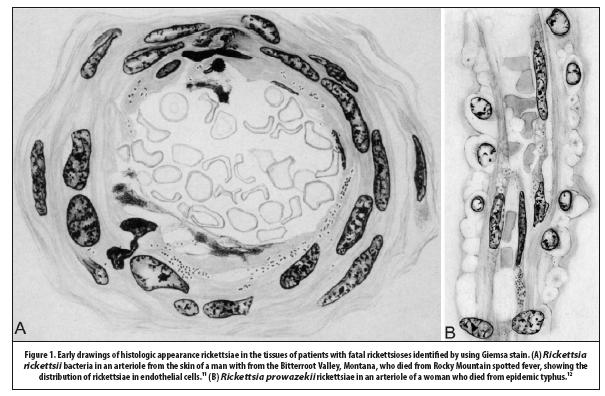
<body><![CDATA[<p style="text-align: justify;" class="MsoNormal"><span  style="font-size: 10pt; font-family: Verdana;" lang="EN-US">&#8220;a short rod in pairs, joined end to end&#8230;found in apparently uninjured endothelium of normal vessels, in areas of proliferated endothelium of the <span class="SpellE">intima</span> of vessels, in hyaline <span class="SpellE">necrosed</span> <span class="SpellE">intima</span> in more advanced lesions, in apparently normal and <span class="SpellE">necrosed</span> smooth muscle fibers of vessels with lesions, and in endothelial cells in the <span class="SpellE">perivascular</span> zones of proliferation.&#8221;<a href="#10"><sup>10</sup></a><o:p></o:p></span></p>     <div style="text-align: justify;"></div>     <p style="text-align: justify;" class="MsoNormal"><span  style="font-size: 10pt; font-family: Verdana;" lang="EN-US">Traditional staining methods thus facilitated identification and description of the fundamental lesions of RMSF and louse-borne typhus (<a href="/img/revistas/amc/v55s1/art05i1.jpg">Figure 1</a>), and provided a foundation for the <span class="SpellE">pathophysiology</span> of all <span class="SpellE">vasculotropic</span> rickettsiosis<span class="GramE">;<a href="#11"><sup>11,12</sup></a></span> nonetheless, the use of traditional histological stains as a diagnostic technique to detect <span  class="SpellE">rickettsiae</span> in clinical samples is vanishingly rare in contemporary scientific and medical literature.<a href="#13"><sup>13-15</sup></a><o:p></o:p></span></p>     <p style="text-align: justify;" class="MsoNormal"><span  style="font-size: 10pt; font-family: Verdana;" lang="EN-US">In 1976, investigators first coupled <span class="SpellE">hyperimmune</span> animal serum with <span class="SpellE">immunofluorescence</span> techniques to detect spotted fever group (SFG) <span class="SpellE">rickettsiae</span> in tissues of ill patients;<sup>16</sup> during the last 25 years, investigators have developed <span class="SpellE">immunohistochemical</span> (IHC) assays using monoclonal or polyclonal antibodies to identify various genera of <span class="SpellE">rickettsial</span> pathogens in formalin-fixed, paraffin-embedded biopsy or autopsy tissue specimens, including multiple SFG and typhus group (TG) <span class="SpellE"><i>Rickettsia</i></span> species,<a href="#17"><sup>17-23</sup></a> <i>E. chaffeensis,</i><a href="#24"><sup>24-26</sup></a> <span  class="SpellE"><i>Anaplasma</i></span><i> phagocytophilum</i><sup>24</sup> and <span class="SpellE"><i>Orientia</i></span><i> tsutsugamushi.</i><sup>27</sup> Advantages of these methods include: (1) direct evidence of infection; (2) high sensitivity during the early stages of infection when other methods, particularly serology, are non-diagnostic; and, (3) excellent positive predictive value. The advantage provided by direct observation of the pathogen in the appropriate <span class="SpellE">histopathological</span> context is considerable and provides a second level of confirmation inherent only to this class of diagnostics.<o:p></o:p></span></p>     <div style="text-align: justify;"></div>     <p style="text-align: justify;" class="MsoNormal"><span  style="font-size: 10pt; font-family: Verdana;" lang="EN-US">Another useful and somewhat unique feature of IHC techniques is its application to specimens obtained years or even decades earlier. The cause of death of a Maryland patient from 1901 was confirmed ninety years later as RMSF by use of an IHC stain applied to archival paraffin-embedded tissues, predating retrospectively the first descriptions of this disease in the eastern United States by thirty years.<a href="#28"><sup>28</sup></a> Application of <span class="SpellE">immunohistochemical</span> techniques identified <i>O. <span class="SpellE">tsutsugamushi</span></i> in archival tissues &gt;50 years old.<a href="#27"><sup>27</sup></a> Finally, by identifying additional cellular targets of these pathogens, and by dissecting the specific inflammatory response of the vertebrate host, IHC techniques build on the foundation of <span class="SpellE">rickettsial</span> <span  class="SpellE">pathobiology</span> established almost 100 years ago by conventional histological staining methods.<sup><a href="#19">19</a>, <a href="#21">21</a>, <a href="#26">26, 27</a></sup> Disadvantages of IHC staining methods include: (1) the acquisition of the <span class="SpellE">analyte</span>, i.e., tissue, is typically more complex than collection of blood or serum; (2) the requirements of specimen processing and evaluation that often limit diagnostic capacity to specialized regional or national centers; and, (3) the use of immunologic reagents that are generally group-specific rather than species-specific.<o:p></o:p></span></p>     <div style="text-align: justify;"></div>     <p style="text-align: justify;" class="MsoNormal"><span  style="font-size: 10pt; font-family: Verdana;" lang="EN-US">Careful <span  class="SpellE">microscopical</span> examination peripheral blood smears stained with eosin-azure type dyes will detect <span class="SpellE">morulae</span> in the cytoplasm of infected leukocytes in as many as 20%-30% patients infected with <i>E. <span  class="SpellE">chaffeensis</span> </i>and approximately 20%-80% of those infected with <span class="SpellE"><i>Anaplasma</i></span><i> phagocytophilum.</i><sup>29-31</sup> The accuracy of these techniques is biased by the number of examined cells or blood smears, the level of immune compromise of the host, and the relative experience of the <span class="SpellE">microscopist</span>, who must distinguish <span class="SpellE">morulae</span> from other structures such as <span class="SpellE">D&#246;hle</span> bodies, toxic granulations, or <span class="SpellE">phagocytosed</span> bacteria or fungi that may occur in the cytoplasm of white cells in other infectious conditions.<sup>29</sup> This technique is relatively insensitive and inconsistent; however, its simplicity and ubiquity provided the initial discoveries of human <span class="SpellE">monocytic</span> <span  class="SpellE">ehrlichiosis</span> and human <span class="SpellE">anaplasmosis</span> in the United States during the late 1980s and early 1990s.<sup><a href="#29">29</a>, <a href="#31">31</a></sup><o:p></o:p></span></p>     <p class="MsoNormal"><b style=""><span  style="font-size: 11pt; font-family: Verdana;" lang="EN-US">Serology<o:p></o:p></span></b></p>     <p style="text-align: justify;" class="MsoNormal"><span  style="font-size: 10pt; font-family: Verdana;" lang="EN-US">Serological methods represent the most widely recognized, broadly available and frequently used tools for the diagnosis of <span class="SpellE">rickettsial</span> diseases; however, these techniques are also deeply ingrained in the minds of clinicians, often to the exclusion of any other category of confirmatory test. Despite the ease of use and accessibility of serological assays, these are distinguished from all other diagnostic methods by providing indirect evidence of infection or exposure, i.e., detecting host antibodies reactive with <span class="SpellE">rickettsiae</span>, rather than identifying directly antigens, nucleic acids, or live <span  class="SpellE">rickettsiae</span>. The indirect <span class="SpellE">immunofluorescence</span> antibody (IFA) assay, generally considered the serological reference method for <span class="SpellE">rickettsioses</span>, was first applied for the diagnosis of <span class="SpellE">murine</span> and louse-borne typhus in 1959 and subsequent uses of IFA to diagnose other <span class="SpellE">rickettsial</span> diseases increased dramatically during the next several decades.<a href="#32"><sup>32,33</sup></a><o:p></o:p></span></p>     ]]></body>
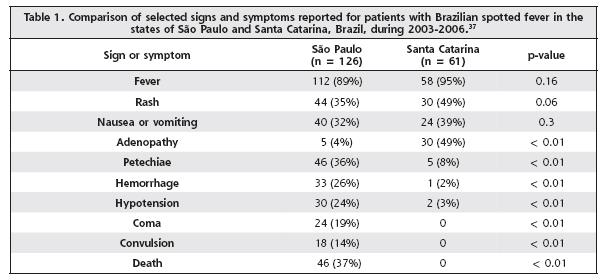
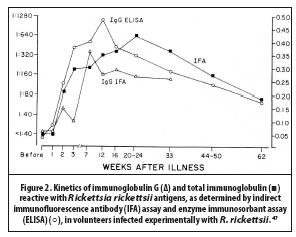
<body><![CDATA[<div style="text-align: justify;"></div>     <p style="text-align: justify;" class="MsoNormal"><span  style="font-size: 10pt; font-family: Verdana;" lang="EN-US">The principal advantages of IFA, enzyme immunoassay (EIA), and other antibody detection methods include: (1) commercial availability; (2) relative simplicity; and, (3) opportunities for retrospective diagnosis weeks after the patient has recovered from the acute illness. Serologic methods can be used effectively to screen individuals and populations for <span class="SpellE">rickettsial</span> infections in regions where these diseases were previously unrecognized. By example, the recent identification of an unexpected and novel <span class="SpellE"><i>Orientia</i></span> infection in a traveler to <st1:city w:st="on"><st1:place w:st="on">Dubai</st1:place></st1:city>, hundreds of miles beyond the recognized range of classical scrub typhus, was initiated by a serologic result that indicated recent infection with a pathogen <span  class="SpellE">antigenically</span> similar to <i>O. tsustugamushi.</i><a  href="#34"><sup>34</sup></a><o:p></o:p></span></p>     <div style="text-align: justify;"></div>     <p style="text-align: justify;" class="MsoNormal"><span  style="font-size: 10pt; font-family: Verdana;" lang="EN-US">Serological assays, particularly IFA methods, can be very effective at confirming <span class="SpellE">rickettsial</span> infections when 2 or more serum specimens are collected at appropriately timed intervals that generally range between 2 to 6 weeks, depending on the relative severity of the particular infection;<sup>35</sup> however, when this protocol is not followed, the opportunities for misinterpreting data generated by serological assays are considerable, particularly when no other laboratory methods are included in the diagnostic evaluation of the patient. Paradoxically, serological methods are particularly insensitive during the acute stage of <span class="SpellE">rickettsial</span> infections, when most patients seek medical attention and when the majority of specimens are collected for subsequent evaluation by these techniques. As an example, initial serum samples collected from 11 of 22 patients with laboratory-confirmed <span class="SpellE">rickettsialpox</span> failed to demonstrate <span class="SpellE">IgG</span> antibody levels reactive with <span class="SpellE"><i>Rickettsia</i></span><i> <span  class="SpellE">akari</span></i> antigens at or above the conventionally recognized cutoff dilution when tested by using an IFA assay; confirmatory evidence of infection with <i>R. <span  class="SpellE">akari</span></i> in these 11 patients was obtained only because diligent clinicians collected additional specimens, including convalescent-phase serums and skin biopsy specimens for IHC, culture, and PCR.<a href="#20"><sup>20</sup></a>Approximately 50% of patients with RMSF lack a diagnostically relevant IFA titer (i.e., &gt; 64) during the first week of illness; however, at least half of all deaths attributed to <i>R. <span class="SpellE">rickettsii</span></i> occur within 7-9 days after illness onset, explaining the large percentage of persons who die of RMSF without serological confirmation.<a href="#18"><sup>18</sup></a> In these circumstances, IFA methods have an exceptionally low negative predictive value and molecular methods (see below)</span><span  style="font-size: 10pt; font-family: Verdana; color: rgb(192, 80, 77);"  lang="EN-US"> </span><span  style="font-size: 10pt; font-family: Verdana;" lang="EN-US">can greatly enhance a diagnosis in cases of fatal disease, particularly if a serum sample collected during the acute illness is the only diagnostic specimen obtained by clinicians.<a href="#36"><sup>36</sup></a><o:p></o:p></span></p>     <p style="text-align: justify;" class="MsoNormal"><span  style="font-size: 10pt; font-family: Verdana;" lang="EN-US">Patients infected with or exposed to <span class="SpellE"><i>Rickettsia</i></span><i>, <span class="SpellE">Ehrlichia</span>, <span class="SpellE">Anaplasma</span>, <span class="SpellE">Coxiella</span></i> or <span class="SpellE"><i>Orientia</i></span><i> </i>species characteristically generate antibodies that are genus- or group-specific rather than species-specific. An important limitation of serological methods occurs when antibody titers are over-interpreted to ascribe a species-specific etiology based entirely on reactivity to a particular <span class="SpellE">rickettsial</span> antigen. In 2003, cases of Brazilian spotted fever (BSF) were reported for the first time in the state of Santa <span class="SpellE">Catarina</span> in southern <st1:country-region  w:st="on"><st1:place w:st="on">Brazil</st1:place></st1:country-region>. Because serological testing revealed antibodies reactive with <i>R. <span  class="SpellE">rickettsii</span></i> in these patients, their illnesses were categorized officially as BSF. However, observant clinicians recognized that the clinical composite of &#8220;BSF&#8221; in Santa <span class="SpellE">Catarina</span> differed significantly from that of historically recognized disease in the state of S&#227;o Paulo, particularly with respect to life-threatening manifestations and death (<a href="/img/revistas/amc/v55s1/art05t1.jpg">Table 1</a>).<sup>37</sup> Indeed, no deaths were reported among the 139 cases of &#8220;BSF&#8221; identified in Santa <span class="SpellE">Catarina</span> during 2003-2009; in contrast, the case-fatality rate of BSF in S&#227;o Paulo during this same interval was approximately 30% (www.cve.saude.sp.gov.br/htm/zoo/fm_i8503.htm). Because many of the severe cases in S&#227;o Paulo were confirmed infections with <i>R. <span  class="SpellE">rickettsii</span> </i><a href="#38"><sup>38</sup></a> investigators suggested that a <span class="SpellE"><i>Rickettsia</i></span><i> </i>species other than <i>R. <span class="SpellE">rickettsii</span></i> was responsible for the mild cases of &#8220;BSF&#8221; in Santa Catarina.<a href="#36"><sup>36</sup></a> Indeed, subsequent entomological surveys for SFG <span class="SpellE">rickettsiae</span> in ticks in Santa <span class="SpellE">Catarina</span> detected a strain of <span  class="SpellE"><i>Rickettsia</i></span><i> parkeri<span class="GramE">,<a  href="#39"><sup><span style="font-style: normal;">39</span></sup></a></span></i> recognized previously in other parts of Brazil as the cause of a <span class="SpellE">rickettsiosis</span> far milder than BSF.<a href="#40"><sup>40,41</sup></a><o:p></o:p></span></p>     <p style="text-align: justify;" class="MsoNormal"><span  style="font-size: 10pt; font-family: Verdana;" lang="EN-US">Serological diagnoses of <span class="SpellE">rickettsioses</span> are often confounded by the occurrence of preexisting levels of antibodies in the population at-risk that are reactive with a particular pathogen that may be different than the actual disease under investigation. In the United States, antibodies reactive with antigens of <i>R. <span class="SpellE">rickettsii</span></i> occur at &#8220;diagnostic&#8221; levels in as many as 5% to 10% of the general population.<a href="#42"><sup>42-46</sup></a> There are several possible explanations for the serological noise created by diagnostically relevant antibody titers to pathogenic <span class="SpellE">rickettsiae</span> among otherwise healthy persons. These include serum reactivity with <span class="SpellE">antigenically</span> related but minimally or non-pathogenic species, and persistence of antibody levels among persons previously infected with or exposed to <span  class="SpellE">rickettsial</span> antigens weeks, months, or perhaps years earlier (<a  href="/img/revistas/amc/v55s1/art05i2.jpg">Figure 2</a>).<a href="#47"><sup>47</sup></a><o:p></o:p></span></p>     <div style="text-align: justify;"></div>     <p style="text-align: justify;" class="MsoNormal"><span  style="font-size: 10pt; font-family: Verdana;" lang="EN-US">In some areas of the world the background <span class="SpellE">seroprevalence</span> to <span class="SpellE">rickettsial</span> agents is considerably higher. From separate studies in Colombia, approximately 40% of 392 randomly selected healthy adults in Cundinamarca Province demonstrated antibodies reactive with <i>R. <span class="SpellE">rickettsii</span> </i>at titers <u>&gt;</u> 64 by using a well-validated IFA assay,<a  href="#48"><sup>48</sup></a> while in Caldas Province, a staggering 490 (72%) of 682 sampled volunteers demonstrated <span class="SpellE">IgG</span> antibody titers <u>&gt;</u> 64 to antigens of <span class="SpellE"><i>Rickettsia</i></span><i> <span  class="SpellE">felis</span></i>, <span class="SpellE"><i>Rickettsi</i></span><i> <span class="SpellE">typhi</span></i> or both rickettsiae.<a href="#49"><sup>49</sup></a> In the Department of Loreto in the Amazon basin of Peru, a <span class="SpellE">serosurvey</span> of 1,195 persons during 2006 revealed antibodies reactive with SFG and TG <span class="SpellE"><i>Rickettsia</i></span> species in 521 (43.6%) and 123 (10.3%) participants, respectively.<a  href="#50"><sup>50</sup></a> Diagnostically relevant titers (i.e., <u>&gt;</u> 64) to antigens of <i>E. <span class="SpellE">chaffeensis</span></i> were identified among 15 (14%) of 105 healthy persons in a rural area of Jujuy Province, Argentina, despite the absence of any recently reported illnesses compatible with <span  class="SpellE">ehrlichiosis</span> among the persons sampled.<a href="#51"><sup>51</sup></a><o:p></o:p></span></p>     <div style="text-align: justify;"></div>     <p style="text-align: justify;" class="MsoNormal"><span  style="font-size: 10pt; font-family: Verdana;" lang="EN-US">Serological methods, particularly IFA, are also subject to a lack of standardization among laboratories and inter-observer variability. A recent analysis of 109 published studies where IFA was used for the diagnosis of acute scrub typhus or to determine <span class="SpellE">seroprevalance</span> in a particular region found broad variation among studies with respect to the specific strains of <i>O. <span class="SpellE">tsutsugamushi</span></i> used as antigen, the targeted antibody <span class="SpellE">isotype</span>, and the selection of cutoff titers that defined a positive result. In the majority of these studies no clear justification for the cutoff titer was provided. These authors concluded that no single antibody titer can reliably be considered diagnostic unless prior studies have been performed to determine the <span  class="SpellE">seroprevalence</span> levels in the normal population of that locality.<a href="#52"><sup>52</sup></a> <span class="GramE">Important</span> serological discrepancies occur even when identical specimens are evaluated by different laboratories. When a panel of serum specimens, collected from 52 persons 6 years after a point source outbreak of Q fever in Australia, were evaluated by IFA methods at 3 different international reference centers for serological evidence infection with <span class="SpellE"><i>Coxiella</i></span><i> <span class="SpellE">burnetii</span></i>, the concordance status of <span  class="SpellE">IgG</span> and <span class="SpellE">IgM</span> titers used to determine acute and chronic infections, past exposures, and serologically negative persons was only 35% among these highly respected laboratories.<a href="#53"><sup>53</sup></a><o:p></o:p></span></p>     ]]></body>
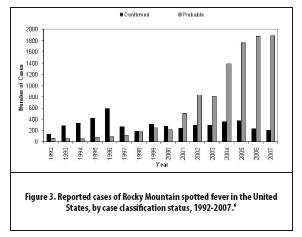
<body><![CDATA[<p style="text-align: justify;" class="MsoNormal"><span  style="font-size: 10pt; font-family: Verdana;" lang="EN-US">Nonetheless, serological methods are used with increasing frequency, often to the exclusion of other diagnostic tests. Results from these assays, most commonly represented as a single IFA titer or EIA absorbance value, are then used to generate epidemiological statistics; as a result, fewer cases are confirmed and a far greater percentage of cases are considered probable (<a href="/img/revistas/amc/v55s1/art05i3.jpg">Figure 3</a>). The impact of diagnostic inaccuracy upon epidemiologic observations may be considerable. During 2000-2007, the reported case-fatality rate for RMSF in the United States was 0.5%, based on CRF denominator data comprising 7,796 cases, or approximately 1000 cases each year.<a href="#6"><sup>6</sup></a> One explanation for this estimate lies in the composition of the denominator, which is likely populated with patients with milder infections, caused by SFG <span class="SpellE"><i>Rickettsia</i></span> species other than <i>R. rickettsii.</i><a href="#7"><sup>7</sup></a><o:p></o:p></span></p>     <div style="text-align: justify;"></div>     <p style="text-align: justify;" class="MsoNormal"><span  style="font-size: 10pt; font-family: Verdana;" lang="EN-US">In some cases, western blotting and cross-adsorption techniques offer greater resolution with respect to the specific <span  class="SpellE">rickettsial</span> pathogen; however, these assays are generally more expensive and technically difficult to perform, and are characteristically limited in availability to only a few reference centers around the world.<a href="#3"><sup>3</sup></a> In theory, cross-adsorption is the best serological method of identifying the specific <span class="SpellE">rickettsial</span> agent responsible for the infection and is based on the principle that homologous and <span  class="SpellE">heterologous</span> antibodies will be removed entirely when the patient serum is incubated with the antigens of the specific pathogen responsible for the disease. When incubated with a <span class="SpellE">heterologous</span> antigen, only the group-specific antibodies responsible for the cross-reaction will be removed, whereas species-specific antibodies are retained. This technique has been used successfully to discriminate serologic responses to <i>R. <span  class="SpellE">typhi</span></i> from those to <i>R. prowazekii.</i><a href="#54"><sup>54</sup></a> Nonetheless, the rationale for this technique can unravel when applied to SFG <span class="SpellE">rickettsioses</span> because: (1) the inherent pretest bias, i.e., an assumption that one of the antigens used in the assay is the pathogen responsible for the infection; and (2) the absence of appropriate positive and negative controls to validate the technique. In practice, most applications of the cross-adsorption technique assume only 2 possible pathogens, and the panel consists of 4 reactions; however, if correctly applied, adsorption panels must become considerably larger and more complex as additional SFG <span class="SpellE"><i>Rickettsia</i></span> species are discovered and considered as potential pathogens. For example, if 3 sympatric SFG <span class="SpellE">rickettsioses</span> exist in a region, a panel should require 9 separate cross-adsorptions. If there are 4 possible agents, a correctly designed panel becomes prohibitively large with 16 separate reactions, which in practice is never observed. In this context, the utility of cross-adsorption is diminished in regions where there are multiple co-circulating and <span class="SpellE">antigenically</span> similar pathogens that cause similar clinical syndromes.<o:p></o:p></span></p>     <p class="MsoNormal"><b style=""><span  style="font-size: 11pt; font-family: Verdana;" lang="EN-US">Culture<o:p></o:p></span></b></p>     <p style="text-align: justify;" class="MsoNormal"><span  style="font-size: 10pt; font-family: Verdana;" lang="EN-US">Culture represents the reference standard for microbiological diagnosis and is the least biased of all diagnostic techniques. Most pathogenic <span class="SpellE"><i>Rickettsia</i></span> species will proliferate in many commonly used cell lines such as Vero E6 cells and human embryonic lung fibroblasts. The recent discovery of an <span  class="SpellE">axenic</span> media for <i>C. <span class="SpellE">burnetii</span></i> suggests that culture of other <span class="SpellE">rickettsiae</span> might also be achieved in carefully defined, cell-free mediums.<sup>55</sup> Historically, <span  class="SpellE">rickettsiologists</span> have been adept at culture techniques and these skills have resulted serendipitously in the isolation of several other important and novel non-<span class="SpellE">rickettsial</span> pathogens, including <span  class="SpellE"><i>Legionella</i></span><i> <span class="SpellE">pneumophila</span></i>, <span class="SpellE"><i>Tropheryma</i></span><i> <span class="SpellE">whipplei</span></i>, and Heartland virus.<a  href="#56"><sup>56-58</sup></a> Nonetheless, diagnostic laboratories are often reluctant to attempt isolation of <span class="SpellE">rickettsial</span> agents, founded largely on the perception of the dangers associated with this task. For much of the 20<sup>th</sup> century, cultivation of <span class="SpellE">rickettsiae</span> was inextricably linked with the unfortunate and surprisingly frequent occurrence of laboratory-acquired <span class="SpellE">rickettsioses</span>, often resulting in the death of the investigator. <span class="SpellE">Rickettsioses</span> accounted for approximately 15% of 3921 laboratory-associated infections and 14% of the infection-related deaths tabulated through 1974.<a href="#59"><sup>59</sup></a><o:p></o:p></span></p>     <div style="text-align: justify;"></div>     <p style="text-align: justify;" class="MsoNormal"><span class="SpellE"><i><span  style="font-size: 10pt; font-family: Verdana;" lang="EN-US">Rickettsia</span></i></span><i><span  style="font-size: 10pt; font-family: Verdana;" lang="EN-US"> <span class="SpellE">typhi</span>, R. <span class="SpellE">prowazekii</span>, O. <span class="SpellE">tsutsugamushi</span>,</span></i><span  style="font-size: 10pt; font-family: Verdana;" lang="EN-US"> <i>R. <span  class="SpellE">akari</span>, R. <span class="SpellE">africae</span>, R. <span class="SpellE">australis</span>, </i>and especially <i>C. <span class="SpellE">burnetii</span></i>, have been associated with laboratory-acquired infections;<a href="#59"><sup>59-67</sup></a> however, it is the notoriety of <i>R. <span class="SpellE">rickettsii</span></i> that instills the greatest fear among clinical microbiologists. During 1912-1942, 12 investigators in the <st1:country-region w:st="on">United States</st1:country-region>, <st1:country-region w:st="on">Brazil</st1:country-region>, <st1:country-region  w:st="on">Colombia</st1:country-region>, and <st1:country-region  w:st="on"><st1:place w:st="on">Japan</st1:place></st1:country-region> who worked with <i>R. <span class="SpellE">rickettsii</span></i> died from laboratory-associated RMSF.<a href="#68"><sup>68</sup></a> <span class="GramE">The</span> deaths of a custodian and glassware worker at the Centers for Disease Control and Prevention in 1977 represent the only laboratory-associated fatal illnesses in the history of this agency. Although neither employee worked directly with <i>R. <span class="SpellE">rickettsii</span></i>, both worked in the building and had access to laboratories where infected <span class="SpellE">embryonated</span> chicken eggs were processed and where discard pans containing <span class="SpellE">rickettsiae</span> were autoclaved.<sup>69</sup> During 1955-1965, 5 cases of laboratory-acquired RMSF occurred at Ft. <span  class="SpellE">Detrick</span>, Maryland via tick bite, needle inoculation and respiratory transmission,<a href="#70"><sup>70</sup></a> and 9 <span  class="SpellE">laboratorians</span> engaged in research into the pathogenesis and immunology of <span  class="SpellE">rickettsioses</span> at the United States Army Medical Research Institute of Infectious Diseases developed RMSF during 1971-1976, following inhalation of infectious aerosols containing <i>R. rickettsii.</i><a href="#71"><sup>71</sup></a><o:p></o:p></span></p>     <p style="text-align: justify;" class="MsoNormal"><span  style="font-size: 10pt; font-family: Verdana;" lang="EN-US">Nonetheless, it important to place these laboratory accidents in perspective: 20 (80%) of 25 fatal <span class="SpellE">rickettsial</span> infections occurred prior to 1945<span class="GramE">,<a href="#59"><sup>59</sup></a></span> before the availability of effective antibiotic therapy for these infections, and typically in circumstances lacking biological safety cabinets. Many of these deaths resulted from failure to use simple barrier precautions, such as disposable latex gloves, eye protection, or filtering <span  class="SpellE">facepieces</span>. Finally, almost all laboratory-acquired <span class="SpellE">rickettsioses</span> have occurred in research facilities where: (1) large numbers of infected arthropods were housed for study or vaccine development;<a href="#68"><sup>68</sup></a> (2) massively infected cell cultures, <span class="SpellE">embryonated</span> chicken eggs, or animal tissues were manipulated by using unsafe techniques that generated infectious aerosols,<sup><a href="#60">60-62</a>,<a href="#64">64,65</a>,<a  href="#70">70,71</a></sup> or; (3) routine safety precautions and reporting of laboratory accidents were not followed.<sup><a href="#63">63</a>,<a href="#66">66</a>,<a href="#69">69</a></sup> These facilities and circumstances are far different than those reasonably expected in a routine diagnostic laboratory. Finally, it is should also be noted that through 1974, there were 439 cases and 40 deaths attributable to laboratory-associated typhoid, <span class="SpellE">leptospirosis</span>, and psittacosis,<sup>59</sup> to underscore the fact that cultivation of any pathogenic agent posed far greater risks to microbiologists before the implementation of the safeguards and guidelines that are now used in diagnostic laboratories around the world.<o:p></o:p></span></p>     <div style="text-align: justify;"></div>     <p style="text-align: justify;" class="MsoNormal"><span class="SpellE"><span  style="font-size: 10pt; font-family: Verdana;" lang="EN-US">Biosafety</span></span><span  style="font-size: 10pt; font-family: Verdana;" lang="EN-US"> level-3 practices and facilities are currently recommended for diagnostic activities involving the manipulation of known or potentially infectious materials and for inoculation and incubation of cell cultures with any recognized pathogenic <span class="SpellE"><i>Rickettsia</i></span>, <span  class="SpellE"><i>Orientia</i></span>, or <span class="SpellE"><i>Coxiella</i></span> species.<a href="#72"><sup>72</sup></a> For exquisitely infectious agents such as <i>C. <span class="SpellE">burnetii</span>,</i> and highly virulent <span class="SpellE">rickettsiae</span> such as <i>R. <span class="SpellE">prowazekii</span></i> and <i>R. <span  class="SpellE">rickettsii</span></i>, this level of containment seems justified. However, different species of <span class="SpellE"><i>Rickettsia</i></span> vary greatly in <span  class="SpellE">pathogenicity</span>, and a rational application of species-specific rather than genus-wide recommendations for cultivating <span class="SpellE">rickettsial</span> agents deserves some consideration in the future, particularly if more clinical laboratories are ever expected to pursue culture isolation as a contemporary diagnostic technique. Microbiologists are confronted continuously with pathogens that pose some level of occupational risk. As an example, <span  class="SpellE"><i>Neisseria</i></span><i> <span class="SpellE">meningitidis</span> </i>is classified as a <span class="SpellE">biosafety</span> level 2 pathogen;<a  href="#72"><sup>72</sup></a> nonetheless, 18 cases of laboratory-acquired meningococcal disease, including 8 deaths, were identified in laboratories around the world during 1985-2002, predominantly among <span class="SpellE">laboratorians</span> who worked with isolates on an open benchtop.<a href="#73"><sup>73</sup></a> An argument might be made that the hazards associated with some <span class="SpellE">rickettsial</span> pathogens are no greater, and quite possibly less, than those associated with <i>N. <span class="SpellE">meningitidis</span></i>, particularly if all work is performed using a biological safety cabinet. One additional level of complexity was alleviated in December 2012, when <i>R. <span class="SpellE">rickettsii</span></i> was removed from the list of select agents, so that possession, storage, or transfer of cultures infected with this pathogen no longer require registration with and oversight by the Centers for Disease Control and Prevention.<a  href="#74"><sup>74</sup></a><o:p></o:p></span></p>     ]]></body>
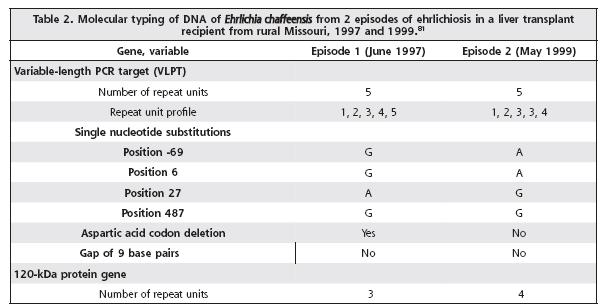
<body><![CDATA[<p class="MsoNormal"><b style=""><span  style="font-size: 11pt; font-family: Verdana;" lang="EN-US">Molecular methods<o:p></o:p></span></b></p>     <p style="text-align: justify;" class="MsoNormal"><span  style="font-size: 10pt; font-family: Verdana;" lang="EN-US">&#8220;In the years ahead, as we compare the nucleotide sequences of various <span class="SpellE">rickettsiae</span>, it should be possible to develop group-specific, species-specific, and perhaps even strain-specific probes that can be used both for diagnosing diseases and for conducting precise epidemiologic investigations.&#8221;<a href="#75"><sup>75</sup></a><o:p></o:p></span></p>     <div style="text-align: justify;"></div>     <p style="text-align: justify;" class="MsoNormal"><span  style="font-size: 10pt; font-family: Verdana;" lang="EN-US">It is perhaps difficult to imagine a time when molecular tools were not routinely available to <span class="SpellE">rickettsiologists</span>; yet as recently as 1991, as suggested by Joseph <span class="SpellE">McDade</span>, these resources could only be imagined. In 2013, the genetic codes unique to each species, subspecies, and strain of <span class="SpellE">rickettsiae</span> provide the foundation for confirmatory diagnosis and molecular epidemiology of the <span class="SpellE">rickettsioses</span>, and represent the cornerstone of pathogen discovery in this discipline. Largely because of the revolution in molecular biology and its direct application to <span class="SpellE">rickettsiology</span>, the number of distinct <span class="SpellE"><i>Rickettsia</i></span>, <span  class="SpellE"><i>Orientia</i></span>, <span class="SpellE"><i>Ehrlichia</i></span>, and <span class="SpellE"><i>Anaplasma</i></span> spp. recognized as pathogens of humans has more than doubled since 1985.<o:p></o:p></span></p>     <div style="text-align: justify;"></div>     <p style="text-align: justify;" class="MsoNormal"><span  style="font-size: 10pt; font-family: Verdana;" lang="EN-US">Molecular techniques have been instrumental in epidemiological assessments of the origins of outbreaks and distributions of subtypes or strains. A devastating outbreak of RMSF that occurred during 2008-<st1:metricconverter productid="2009 in" w:st="on">2009 in</st1:metricconverter> Mexicali, Mexico<span class="GramE">,<a href="#76"><sup>76</sup></a></span> shared several epidemiological and entomological features with a large cluster of cases that occurred several years earlier in a rural community in Navajo County in eastern Arizona.<a  href="#77"><sup>77</sup></a> Both events were triggered by an abundance of free-roaming and stray dogs and massive populations of <span class="SpellE"><i>Rhipicephalus</i></span><i> <span class="SpellE">sanguineus</span></i> ticks in the <span  class="SpellE">peridomestic</span> environments. Because of the similarities between these outbreaks, recognized 5 years apart and separated by a distance of approximately <st1:metricconverter  productid="450 km" w:st="on">450 km</st1:metricconverter>, molecular typing assays were used to evaluate DNA samples of <i>R. <span class="SpellE">rickettsii</span></i> obtained from ticks and ill patients at both locations. A detailed analysis of 3 variable <span class="SpellE">intergenic</span> regions, used previously to characterize all known isolates of <i>R. rickettsii<span class="GramE">,<a  href="#78"><sup><span style="font-style: normal;">78</span></sup></a></span></i> provided investigators the data needed to determine that the outbreaks of RMSF in <st1:state  w:st="on">Arizona</st1:state> and <st1:city w:st="on"><st1:place w:st="on">Mexicali</st1:place></st1:city> were independent events involving genetically different strains of <i>R. rickettsii.</i><a href="#79"><sup>79</sup></a><o:p></o:p></span></p>     <p style="text-align: justify;" class="MsoNormal"><span  style="font-size: 10pt; font-family: Verdana;" lang="EN-US">The granularity of molecular methods allows careful assessment of clinical features of specific <span class="SpellE">rickettsioses</span> that were previously obscured by less specific assays. In a recent study, investigators used molecular methods to accurately diagnose 140 consecutive Portuguese patients with Mediterranean spotted fever. The case-fatality rate in this series, determined by using specific diagnostic assays, was 21%, more than 8 times greater than the previously recognized lethality of this disease. In addition, they identified a particular strain of <i>R. <span  class="SpellE">conorii</span></i> that was more frequently associated with severe disease in this patient population.<a href="#80"><sup>80</sup></a>Molecular methods can be used to examine the natural history and disease dynamics of <span class="SpellE">rickettsioses</span>. The first description of confirmed <span class="SpellE">reinfection</span> of a human host with <i>E. <span class="SpellE">chaffeensis</span></i> was identified by using molecular techniques.<a href="#81"><sup>81</sup></a> A 56-year-old liver transplant <span class="SpellE">reciepient</span> from a rural area of Missouri developed laboratory confirmed <span class="SpellE">ehrlichiosis</span> in 1997 and 1999. Whole blood specimens collected during each episode were evaluated separately by using PCR and sequence analysis to determine the nucleotide pattern of the variable-length PCR target (VLPT) and 120-kDa genes of <i>E. <span  class="SpellE">chaffeensis</span></i> present in each sample. Because the VLPT and 120-kDa antigen genes demonstrate a variety of strain-specific patterns, it could be determined conclusively that the 2 episodes resulted from infections with separate and distinct strains of <i>E. <span class="SpellE">chaffeensis</span></i>, rather than recrudescence of a persistent infection (<a  href="/img/revistas/amc/v55s1/art05t2.jpg">Table 2</a>).<a href="#81"><sup>81</sup></a><o:p></o:p></span></p>     <p style="text-align: justify;" class="MsoNormal"><span  style="font-size: 10pt; font-family: Verdana;" lang="EN-US">The sensitivity and specificity of molecular methods have been enhanced considerably by continuously evolving technologies, including real-time and loop-mediated isothermal PCR techniques.<sup><a  href="#82">82-86</a> </sup>It has been proposed that these types of diagnostic tests can be implemented easily in laboratories with basic molecular capacity and developed as acute point-of-care assays.<a href="#84"><sup>84,85</sup></a> Highly specific molecular assays have great utility in regions where particular <span class="SpellE">rickettsial</span> pathogens are known to be endemic; however, broad-range molecular methods can be extremely useful in some circumstances, particularly when multiple, genetically distinct agents occur <span class="SpellE">sympatrically</span>, or in regions where the existence of a novel <span class="SpellE">rickettsiosis</span> is unrecognized. In <st1:state w:st="on"><st1:place w:st="on">Missouri</st1:place></st1:state>, investigators used molecular methods to discriminate infections caused by <span class="SpellE"><i>Ehrlichia</i></span><i> <span  class="SpellE">ewingii</span> </i>from those caused by <i>E. <span class="SpellE">chaffeensis</span></i>. Their discovery unveiled a second, clinically and ecologically similar illness, the identity of which was previously obscured because of sufficient overlap of disease manifestations and a shared tick vector.<a href="#87"><sup>87</sup></a> The initial report of a scrub typhus-like illness in Chile in 2011, caused by a pathogen with highest molecular similarity to <i>O. <span class="SpellE">tsutsugamushi</span>, </i>represents the first identification of an <span class="SpellE"><i>Orientia</i></span><i> </i>species infection in the Western Hemisphere and resulted from the use of a broad-range PCR assay designed to amplify a large segment of the prokaryotic 16S <span class="SpellE">rRNA</span> gene.<a href="#88"><sup>88</sup></a><o:p></o:p></span></p>     <div style="text-align: justify;"></div>     <p style="text-align: justify;" class="MsoNormal"><span  style="font-size: 10pt; font-family: Verdana;" lang="EN-US">The acquisition and evaluation of clinical samples previously not considered, or believed suboptimal for a particular molecular method, are recognized increasingly as important sources of diagnostic information. Concentration of <span class="SpellE">rickettsiae</span> by centrifugation of serums of infected animals was first described by Ricketts in 1909<span class="GramE">;<sup>9</sup></span> today, cellular sediments obtained from serum represent just one of many non-conventional specimens used increasingly as successful sources of template for molecular assays. This technique has been used effectively to provide diagnostic material for PCR-confirmation of various <span class="SpellE">rickettsioses</span>, including RMSF,<sup><a href="#36">36</a>,<a href="#77">77</a>,<a href="#79">79</a></sup> Israeli spotted fever,<a href="#89"><sup>89</sup></a> Thai tick typhus,<a  href="#90"><sup>90,91</sup></a> <span class="SpellE"><i>Rickettsia</i></span><i> <span class="SpellE">felis</span></i> rickettsiosis,<a href="#92"><sup>92,93</sup></a> and scrub typhus.<a  href="#83"><sup>83</sup></a> Improvements in nucleic acid extraction technology permit better recovery of <span  class="SpellE">rickettsial</span> DNA from formalin-fixed, paraffin-embedded skin biopsy or autopsy tissues to allow species-specific PCR assays. Included among infections confirmed recently by using this technique are those caused by <i>R. rickettsii<span class="GramE">,<a href="#94"><sup><span  style="font-style: normal;">94,95</span></sup></a></span></i> <i>R. parkeri</i><a href="#96"><sup>96</sup></a> and <span  class="SpellE"><i>Rickettsia</i></span> 364D.<a href="#97"><sup>97</sup></a><o:p></o:p></span></p>     ]]></body>
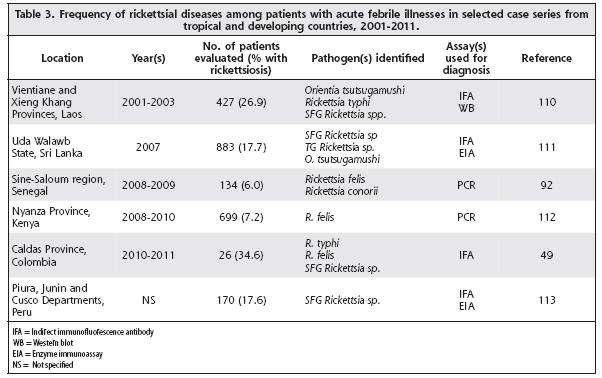
<body><![CDATA[<p style="text-align: justify;" class="MsoNormal"><span  style="font-size: 10pt; font-family: Verdana;" lang="EN-US">The use of swabs to collect <span class="SpellE">rickettsial</span> nucleic acids from <span class="SpellE">eschars</span> and vesicular rash lesions for PCR analysis was first described in 2009.<a href="#98"><sup>98</sup></a> Subsequent reports described successful application of this simple and minimally invasive method to confirm cases of Queensland tick typhus,<a href="#67"><sup>67</sup></a> African tick bite fever,<sup><a href="#67">67</a>,<a href="#99">99</a></sup> Mediterranean spotted fever,<a href="#100"><sup>100</sup></a> <i>R. <span  class="SpellE">parkeri</span></i> rickettsiosis,<a href="#101"><sup>101</sup></a> and <span class="SpellE"><i>Rickettsia</i></span><i> </i>364D rickettsiosis.<a href="#102"><sup>102</sup></a> <span class="SpellE">Eschar</span> swabs represent highly versatile specimens that can provide confirmatory results retrospectively from healing lesions, in some cases as long as 2 weeks after initiation of antibiotic therapy.<sup><a  href="#98">98</a>,<a href="#101">101</a></sup> Because the technique is more rapid, easier to perform, and generally less painful than biopsy techniques, there is greater patient and physician acceptance, particularly in areas with limited medical resources;<sup><a  href="#67">67</a>,<a href="#100">100</a></sup> Scab material from the <span class="SpellE">eschar</span> surface may also provide a source of <span class="SpellE">rickettsial</span> DNA suitable for molecular confirmation.<a href="#103"><sup>103</sup></a> Despite these important advantages, <span class="SpellE">eschar</span> swabs should not be considered categorically as a replacement for <span class="SpellE">cutaneous</span> biopsy methods, for unlike swab material, tissue specimens provide histological context that may assist in an alternate diagnosis if the skin lesion is caused by something other than a <span class="SpellE"><i>Rickettsia</i></span> species.<a  href="#104"><sup>104</sup></a> Skin biopsy techniques also allow for cultivation of <span class="SpellE">rickettsiae</span> from the clinical specimen and are more likely than swabs to provide confirmatory results by molecular evaluation.<sup><a href="#22">22</a>,<a  href="#67">67</a>,<a href="#104">104</a></sup><o:p></o:p></span></p>     <p class="MsoNormal"><b style=""><span  style="font-size: 11pt; font-family: Verdana;" lang="EN-US">Prospectus<o:p></o:p></span></b></p>     <p style="text-align: justify;" class="MsoNormal"><span  style="font-size: 10pt; font-family: Verdana;" lang="EN-US">Improving access to and awareness of species-specific diagnostic methods remain important challenges for 21st century <span  class="SpellE">rickettsiologists</span>. Broader use of these techniques around the world might change considerably existing notions about the ecology, epidemiology, and clinical presentations of many <span class="SpellE">rickettsioses</span>. During the last 30 years, adherence to this principle has leveraged the discovery of &gt;20 newly recognized <span class="SpellE">rickettsioses</span> and has clarified several long-standing epidemiologic questions about the clinical heterogeneity and unusual geographical distributions of many historically recognized <span class="SpellE">rickettsial</span> diseases.<o:p></o:p></span></p>     <div style="text-align: justify;"></div>     <p style="text-align: justify;" class="MsoNormal"><span  style="font-size: 10pt; font-family: Verdana;" lang="EN-US">In regions of the world where malaria, typhoid, <span class="SpellE">leptospirosis</span>, or dengue are endemic, there is accumulating evidence that <span class="SpellE">rickettsial</span> diseases also circulate with considerable frequency, embedded as misdiagnosed cases among statistics for these other, more classically recognized tropical diseases. By example, 10% of Cameroonian patients with undifferentiated febrile illnesses for whom malaria and typhoid were excluded had molecular evidence of infection with <i>E. chaffeensis.</i><a href="#105"><sup>105</sup></a> During a serological study in the states of Jalisco and Yucatan in Mexico, an astounding 20 (40%) of 50 of patients with a clinical diagnosis of dengue had robust antibody titers reactive with SFG <span class="SpellE"><i>Rickettsia</i></span> species, yet no demonstrable antibodies reactive with dengue virus.<a href="#106"><sup>106</sup></a> In a similar manner, serological evidence of recent infections with SFG <span class="SpellE"><i>Rickettsia</i></span> species was identified in 22% of 96 serum samples collected during 2000-2001 as part of regional surveillance for dengue in Cundinamarca, Colombia. <a  href="#107"><sup>107</sup></a> Two confirmed and 7 probable cases of <i>R. <span class="SpellE">parkeri</span></i> <span class="SpellE">rickettsiosis</span> in Argentina were identified by careful laboratory evaluation of patients presenting to one hospital with fever, <span class="SpellE">myalgias</span> and rash, several of whom were diagnosed initially with <span class="SpellE">leptospirosis</span> or dengue.<a href="#108"><sup>108</sup></a><o:p></o:p></span></p>     <div style="text-align: justify;"></div>     <p style="text-align: justify;" class="MsoNormal"><span  style="font-size: 10pt; font-family: Verdana;" lang="EN-US">The scope and magnitude of <span class="SpellE">rickettsial</span> infections in many densely populated and geographically diverse areas of the world including India, Africa, Southeast Asia, and Central and South America remain poorly understood, yet during the last decade, diagnostic tools have uncovered a plethora of agents and diseases that impact the health of populations in these regions.<a href="#109"><sup>109</sup></a> The rigorous and routine use of <span class="SpellE">rickettsial</span> diagnostics in several prospective studies of febrile patients in these understudied regions has unveiled a surprisingly high prevalence of <span class="SpellE">rickettsioses</span> in these areas and signals an interesting and important period of discovery (<a  href="/img/revistas/amc/v55s1/art05t3.jpg">Table 3</a>). The frequency of undetected <span class="SpellE">rickettsioses</span> may be even greater when diseases associated with fever and <span class="SpellE">cutaneous</span> eruptions are investigated by these methods. During a prospective study at 2 hospitals in eastern Algeria, 108 adults who presented with fever and rash during 2000-2006 were evaluated for laboratory evidence of a <span  class="SpellE">rickettsiosis</span>; acute infection with a SFG or TG <span  class="SpellE"><i>Rickettsia</i></span> species was confirmed in 14 (13%) of 108 enrolled patients during this interval.<a href="#114"><sup>114</sup></a> Confirmatory evidence of SFG <span class="SpellE">rickettsioses</span> was obtained from PCR analysis of skin biopsy specimens obtained from 24 (58.6%) of 58 consecutive patients with fever and rash who presented for care at a hospital in Tamil Nadu State, India, during 2006-2008.<a href="#115"><sup>115</sup></a><o:p></o:p></span></p>     <p style="text-align: justify;" class="MsoNormal"><span  style="font-size: 10pt; font-family: Verdana;" lang="EN-US">Many <span  class="SpellE">rickettsial</span> diseases have been historically understudied, often because the agents were considered difficult to grow, difficult to stain, and dangerous to propagate. As we progress into the 21<sup>st</sup> century, the diagnostic techniques outlined above will leverage the global recognition of <span class="SpellE">rickettsial</span> diseases and the impact that these have infections on enormous segments of the world population. Each method has unique strengths, and it is important for <span class="SpellE">rickettsiologists</span> to refrain from replacing entirely classical methods with rapidly evolving and increasingly sophisticated molecular techniques. The pitfall of routinely relying on a single diagnostic method was recognized by <span class="SpellE">Pijper</span> and Crockett in 1938,<a href="#116"><sup>116</sup></a> when they stated,<o:p></o:p></span></p>     <div style="text-align: justify;"></div>     <p style="text-align: justify;" class="MsoNormal"><span  style="font-size: 10pt; font-family: Verdana;" lang="EN-US">&#8220;Different authors stress different methods of approach, and few use all of them&#8230;In <span class="SpellE">Rickettsioses</span> (sic) research, few methods are conclusive when used by themselves. There are so many approaches, and it is unfortunate that different workers value them differently&#8230;Identical methods are not always applicable to the various diseases. Only then can a <span class="SpellE">Rickettsiosis</span> (sic) be said to have been completely studied when all possible approaches have been explored.&#8221;<o:p></o:p></span></p>     ]]></body>
<body><![CDATA[<div style="text-align: justify;"></div>     <p style="text-align: justify;" class="MsoNormal"><span  style="font-size: 10pt; font-family: Verdana;" lang="EN-US">Pursuits in <span class="SpellE">rickettsiology</span> are most successful when traditional and contemporary methods are used in a complementary approach. Despite some specific and defined limitations inherent to each of the classes of <span class="SpellE">rickettsial</span> diagnostic methods, extraordinary results are achieved when multiple techniques are used in tandem. As an example, when high titers of antibodies reactive with <i>E. <span  class="SpellE">chaffeensis</span> </i>were detected among a cohort of ill patients in Wisconsin and Minnesota, who presented with classical signs and symptoms of <span class="SpellE">ehrlichiosis</span> but who resided hundreds of miles beyond the established range of the recognized tick vector of <i>E. <span class="SpellE">chaffeensis</span>, </i>the application of cell culture and molecular techniques subsequently revealed a newly recognized <span  class="SpellE">ehrlichial</span> pathogen in the United States.<a  href="#117"><sup>117</sup></a> Laboratories that develop expertise in and routinely apply multiple combinations of these methods provide the highest level of diagnostic accuracy and are positioned characteristically at the leading edge of discovery.<o:p></o:p></span></p>     <p class="MsoNormal"><span  style="font-size: 10pt; font-family: Verdana;" lang="EN-US">Disclaimer: The findings and conclusions are those of the author and do not necessarily represent the official position of the Centers for Disease Control and Prevention.<o:p></o:p></span></p>     <p class="MsoNormal"><b style=""><span  style="font-size: 11pt; font-family: Verdana;" lang="EN-US"></span></b></p> <hr style="width: 100%; height: 2px;"><b style=""><span  style="font-size: 11pt; font-family: Verdana;" lang="EN-US">References<o:p></o:p></span></b>     <!-- ref --><p class="MsoNormal"><span  style="font-size: 10pt; font-family: &quot;Arial Unicode MS&quot;;" lang="EN-US"><a  name="1"></a>&#8201;</span><span  style="font-size: 10pt; font-family: Verdana;" lang="EN-US">1.</span><span  style="font-size: 10pt; font-family: &quot;Arial Unicode MS&quot;;">&#8194;</span><span  class="SpellE"><span style="font-size: 10pt; font-family: Verdana;"  lang="EN-US">Brouqui</span></span><span  style="font-size: 10pt; font-family: Verdana;" lang="EN-US"> P, <span class="SpellE">Bacellar</span> F, <span class="SpellE">Baranton</span> G, <span class="SpellE">Birtles</span> RJ, <span class="SpellE">Bjo&#235;rsdorff</span> A, Blanco JR, <i>et al</i>. Guidelines for the diagnosis of tick-borne bacterial diseases in Europe. <span class="SpellE">Clin</span> <span  class="SpellE">Microbiol</span> Infect 2004; 10:1108-1132.    &nbsp;&nbsp;&nbsp;&nbsp;&nbsp;&nbsp;&nbsp;&nbsp;[&#160;<a href="javascript:void(0);" onclick="javascript: window.open('/scielo.php?script=sci_nlinks&ref=065528&pid=S0001-6002201300040000500001&lng=','','width=640,height=500,resizable=yes,scrollbars=1,menubar=yes,');">Links</a>&#160;]<!-- end-ref --><o:p></o:p></span></p>     <!-- ref --><p class="MsoNormal"><span  style="font-size: 10pt; font-family: &quot;Arial Unicode MS&quot;;" lang="EN-US"><a  name="2"></a>&#8201;</span><span  style="font-size: 10pt; font-family: Verdana;" lang="EN-US">2.</span><span  style="font-size: 10pt; font-family: &quot;Arial Unicode MS&quot;;">&#8194;</span><span  style="font-size: 10pt; font-family: Verdana;" lang="EN-US">Chapman AS, <span class="SpellE">Bakken</span> JS, Bloch KC, Buckingham SC, <span class="SpellE">Dasch</span> GA, <span  class="SpellE">Dumler</span> JS, <i>et al</i>. Diagnosis and management of <span class="SpellE">tickborne</span> <span  class="SpellE">rickettsial</span> diseases: Rocky Mountain spotted fever, <span class="SpellE">ehrlichioses</span>, and <span class="SpellE">anaplasmosis</span>&#8212;United States: a practical guide for physicians and other health-care and public health professionals. MMWR 2006; 55:1-29.    &nbsp;&nbsp;&nbsp;&nbsp;&nbsp;&nbsp;&nbsp;&nbsp;[&#160;<a href="javascript:void(0);" onclick="javascript: window.open('/scielo.php?script=sci_nlinks&ref=065530&pid=S0001-6002201300040000500002&lng=','','width=640,height=500,resizable=yes,scrollbars=1,menubar=yes,');">Links</a>&#160;]<!-- end-ref --><o:p></o:p></span></p>     <!-- ref --><p class="MsoNormal"><span  style="font-size: 10pt; font-family: &quot;Arial Unicode MS&quot;;" lang="EN-US"><a  name="3"></a>&#8201;</span><span  style="font-size: 10pt; font-family: Verdana;" lang="EN-US">3<span  class="GramE">.</span></span><span  style="font-size: 10pt; font-family: &quot;Arial Unicode MS&quot;;">&#8194;</span><span  class="SpellE"><span style="font-size: 10pt; font-family: Verdana;"  lang="EN-US">Fenollar</span></span><span  style="font-size: 10pt; font-family: Verdana;" lang="EN-US"> F, <st1:place w:st="on"><st1:city w:st="on">Fournier</st1:city> <st1:state  w:st="on">PE</st1:state></st1:place>, <span class="SpellE">Raoult</span> D. Diagnostic strategy of <span class="SpellE">rickettsioses</span> and <span  class="SpellE">ehrlichioses</span>. In: <span class="SpellE">Raoult</span> D, <span class="SpellE">Parola</span> P editors. <span class="SpellE"><span  class="GramE">Rickettsial</span></span><span class="GramE"> Diseases.</span> <st1:state w:st="on"><st1:place w:st="on">New York</st1:place></st1:state>: <span class="SpellE">Informa</span> Healthcare, 2007: 315-330.    &nbsp;&nbsp;&nbsp;&nbsp;&nbsp;&nbsp;&nbsp;&nbsp;[&#160;<a href="javascript:void(0);" onclick="javascript: window.open('/scielo.php?script=sci_nlinks&ref=065532&pid=S0001-6002201300040000500003&lng=','','width=640,height=500,resizable=yes,scrollbars=1,menubar=yes,');">Links</a>&#160;]<!-- end-ref --><o:p></o:p></span></p>     ]]></body>
<body><![CDATA[<!-- ref --><p class="MsoNormal"><span  style="font-size: 10pt; font-family: &quot;Arial Unicode MS&quot;;" lang="EN-US"><a  name="4"></a>&#8201;</span><span  style="font-size: 10pt; font-family: Verdana;" lang="EN-US">4<span  class="GramE">.</span></span><span  style="font-size: 10pt; font-family: &quot;Arial Unicode MS&quot;;">&#8194;</span><span  style="font-size: 10pt; font-family: Verdana;" lang="EN-US">Richards AL. Worldwide detection and identification of new and old <span  class="SpellE">rickettsiae</span> and <span class="SpellE">rickettsial</span> diseases. FEMS <span  class="SpellE">Immunol</span> Med <span class="SpellE">Microbiol</span> 2012; 64:107-110.    &nbsp;&nbsp;&nbsp;&nbsp;&nbsp;&nbsp;&nbsp;&nbsp;[&#160;<a href="javascript:void(0);" onclick="javascript: window.open('/scielo.php?script=sci_nlinks&ref=065534&pid=S0001-6002201300040000500004&lng=','','width=640,height=500,resizable=yes,scrollbars=1,menubar=yes,');">Links</a>&#160;]<!-- end-ref --><o:p></o:p></span></p>     <!-- ref --><p class="MsoNormal"><span  style="font-size: 10pt; font-family: &quot;Arial Unicode MS&quot;;" lang="EN-US">&#8201;</span><span  style="font-size: 10pt; font-family: Verdana;" lang="EN-US"><a name="5"></a>5<span  class="GramE">.</span></span><span  style="font-size: 10pt; font-family: &quot;Arial Unicode MS&quot;;">&#8194;</span><span  class="SpellE"><span style="font-size: 10pt; font-family: Verdana;"  lang="EN-US">Eremeeva</span></span><span  style="font-size: 10pt; font-family: Verdana;" lang="EN-US"> ME. <span class="GramE">Molecular epidemiology of <span class="SpellE">rickettsial</span> diseases in <st1:place w:st="on">North America</st1:place>.</span> Ticks Tick-borne <span class="SpellE">Dis</span> 2012; 3:331-336.    &nbsp;&nbsp;&nbsp;&nbsp;&nbsp;&nbsp;&nbsp;&nbsp;[&#160;<a href="javascript:void(0);" onclick="javascript: window.open('/scielo.php?script=sci_nlinks&ref=065536&pid=S0001-6002201300040000500005&lng=','','width=640,height=500,resizable=yes,scrollbars=1,menubar=yes,');">Links</a>&#160;]<!-- end-ref --><o:p></o:p></span></p>     <!-- ref --><p class="MsoNormal"><span  style="font-size: 10pt; font-family: &quot;Arial Unicode MS&quot;;" lang="EN-US"><a  name="6"></a>&#8201;</span><span  style="font-size: 10pt; font-family: Verdana;" lang="EN-US">6<span  class="GramE">.</span></span><span  style="font-size: 10pt; font-family: &quot;Arial Unicode MS&quot;;">&#8194;</span><span  class="SpellE"><span style="font-size: 10pt; font-family: Verdana;"  lang="EN-US">Openshaw</span></span><span  style="font-size: 10pt; font-family: Verdana;" lang="EN-US"> JJ, <span class="SpellE">Swerdlow</span> DL, Krebs JW, Holman RC, Mandel E, Harvey A<i>, et al</i>. Rocky Mountain spotted fever in the United States, 2000-2007: interpreting contemporary increases in incidence. Am J <span  class="SpellE">Trop</span> Med <span class="SpellE">Hyg</span> 2010; 83:174-<span class="GramE">182.    &nbsp;&nbsp;&nbsp;&nbsp;&nbsp;&nbsp;&nbsp;&nbsp;[&#160;<a href="javascript:void(0);" onclick="javascript: window.open('/scielo.php?script=sci_nlinks&ref=065538&pid=S0001-6002201300040000500006&lng=','','width=640,height=500,resizable=yes,scrollbars=1,menubar=yes,');">Links</a>&#160;]<!-- end-ref --></span><o:p></o:p></span></p>     <!-- ref --><p class="MsoNormal"><span  style="font-size: 10pt; font-family: &quot;Arial Unicode MS&quot;;" lang="EN-US"><a  name="7"></a>&#8201;</span><span  style="font-size: 10pt; font-family: Verdana;" lang="EN-US">7<span  class="GramE">.</span></span><span  style="font-size: 10pt; font-family: &quot;Arial Unicode MS&quot;;">&#8194;</span><span  style="font-size: 10pt; font-family: Verdana;" lang="EN-US">Paddock CD, <st1:place w:st="on">Telford</st1:place> SR III. Through a glass, darkly: the global incidence of tick-borne diseases. In: <st1:place w:st="on"><st1:placetype  w:st="on">Institute</st1:placetype> of <st1:placename w:st="on">Medicine</st1:placename></st1:place>. Critical needs and gaps in understanding prevention, amelioration, and resolution of Lyme and other tick-borne diseases: the short-term and long-term outcomes. <st1:place w:st="on"><st1:city w:st="on">Washington</st1:city>, <st1:state w:st="on">D.C.</st1:state></st1:place>: The National Academies Press, 2011: 221-66.    &nbsp;&nbsp;&nbsp;&nbsp;&nbsp;&nbsp;&nbsp;&nbsp;[&#160;<a href="javascript:void(0);" onclick="javascript: window.open('/scielo.php?script=sci_nlinks&ref=065540&pid=S0001-6002201300040000500007&lng=','','width=640,height=500,resizable=yes,scrollbars=1,menubar=yes,');">Links</a>&#160;]<!-- end-ref --><o:p></o:p></span></p>     <!-- ref --><p class="MsoNormal"><span  style="font-size: 10pt; font-family: &quot;Arial Unicode MS&quot;;" lang="EN-US"><a  name="8"></a>&#8201;</span><span  style="font-size: 10pt; font-family: Verdana;" lang="EN-US">8<span  class="GramE">.</span></span><span  style="font-size: 10pt; font-family: &quot;Arial Unicode MS&quot;;">&#8194;</span><span  style="font-size: 10pt; font-family: Verdana;" lang="EN-US">Ricketts HT. A micro-organism which apparently has a specific relationship to <st1:place  w:st="on"><st1:placename w:st="on">Rocky</st1:placename> <st1:placetype  w:st="on">Mountain</st1:placetype></st1:place> spotted fever. J Am Med Assoc 1909; 52:379-380.    &nbsp;&nbsp;&nbsp;&nbsp;&nbsp;&nbsp;&nbsp;&nbsp;[&#160;<a href="javascript:void(0);" onclick="javascript: window.open('/scielo.php?script=sci_nlinks&ref=065542&pid=S0001-6002201300040000500008&lng=','','width=640,height=500,resizable=yes,scrollbars=1,menubar=yes,');">Links</a>&#160;]<!-- end-ref --><o:p></o:p></span></p>     ]]></body>
<body><![CDATA[<!-- ref --><p class="MsoNormal"><span  style="font-size: 10pt; font-family: &quot;Arial Unicode MS&quot;;" lang="EN-US"><a  name="9"></a>&#8201;</span><span  style="font-size: 10pt; font-family: Verdana;" lang="EN-US">9<span  class="GramE">.</span></span><span  style="font-size: 10pt; font-family: &quot;Arial Unicode MS&quot;;">&#8194;</span><span  style="font-size: 10pt; font-family: Verdana;" lang="EN-US">Ricketts HT, <st1:place w:st="on"><st1:placename w:st="on">Wilder</st1:placename> <st1:placetype w:st="on">RM.</st1:placetype></st1:place> <span  class="GramE">The etiology of typhus fever (<span class="SpellE">tabardillo</span>) of <st1:city  w:st="on"><st1:place w:st="on">Mexico City</st1:place></st1:city>.</span> J Am Med Assoc 1910; 54:1373-1375.    &nbsp;&nbsp;&nbsp;&nbsp;&nbsp;&nbsp;&nbsp;&nbsp;[&#160;<a href="javascript:void(0);" onclick="javascript: window.open('/scielo.php?script=sci_nlinks&ref=065544&pid=S0001-6002201300040000500009&lng=','','width=640,height=500,resizable=yes,scrollbars=1,menubar=yes,');">Links</a>&#160;]<!-- end-ref --><o:p></o:p></span></p>     <!-- ref --><p class="MsoNormal"><span  style="font-size: 10pt; font-family: &quot;Arial Unicode MS&quot;;" lang="EN-US"><a  name="10"></a>&#8201;</span><span  style="font-size: 10pt; font-family: Verdana;" lang="EN-US">10<span  class="GramE">.</span></span><span  style="font-size: 10pt; font-family: &quot;Arial Unicode MS&quot;;">&#8194;</span><span  class="SpellE"><span style="font-size: 10pt; font-family: Verdana;"  lang="EN-US">Wolbach</span></span><span  style="font-size: 10pt; font-family: Verdana;" lang="EN-US"> SB. The etiology of <st1:place w:st="on"><st1:placename w:st="on">Rocky</st1:placename> <st1:placetype w:st="on">Mountain</st1:placetype></st1:place> spotted fever (a preliminary report). <span class="GramE">J Med Res 1916; 34:121-126.    &nbsp;&nbsp;&nbsp;&nbsp;&nbsp;&nbsp;&nbsp;&nbsp;[&#160;<a href="javascript:void(0);" onclick="javascript: window.open('/scielo.php?script=sci_nlinks&ref=065546&pid=S0001-6002201300040000500010&lng=','','width=640,height=500,resizable=yes,scrollbars=1,menubar=yes,');">Links</a>&#160;]<!-- end-ref --></span><o:p></o:p></span></p>     <!-- ref --><p class="MsoNormal"><span  style="font-size: 10pt; font-family: &quot;Arial Unicode MS&quot;;" lang="EN-US">&#8201;</span><span  style="font-size: 10pt; font-family: Verdana;" lang="EN-US"><a  name="11"></a>11<span class="GramE">.</span></span><span  style="font-size: 10pt; font-family: &quot;Arial Unicode MS&quot;;">&#8194;</span><span  class="SpellE"><span style="font-size: 10pt; font-family: Verdana;"  lang="EN-US">Wolbach</span></span><span  style="font-size: 10pt; font-family: Verdana;" lang="EN-US"> SB. Studies on <st1:place w:st="on"><st1:placename w:st="on">Rocky</st1:placename> <st1:placetype w:st="on">Mountain</st1:placetype></st1:place> spotted fever. <span class="GramE">J Med Res 1919; 41:1-197.    &nbsp;&nbsp;&nbsp;&nbsp;&nbsp;&nbsp;&nbsp;&nbsp;[&#160;<a href="javascript:void(0);" onclick="javascript: window.open('/scielo.php?script=sci_nlinks&ref=065548&pid=S0001-6002201300040000500011&lng=','','width=640,height=500,resizable=yes,scrollbars=1,menubar=yes,');">Links</a>&#160;]<!-- end-ref --></span><o:p></o:p></span></p>     <!-- ref --><p class="MsoNormal"><span  style="font-size: 10pt; font-family: &quot;Arial Unicode MS&quot;;" lang="EN-US">&#8201;</span><span  style="font-size: 10pt; font-family: Verdana;" lang="EN-US"><a  name="12"></a>12<span class="GramE">.</span></span><span  style="font-size: 10pt; font-family: &quot;Arial Unicode MS&quot;;">&#8194;</span><span  class="SpellE"><span style="font-size: 10pt; font-family: Verdana;"  lang="EN-US">Wolbach</span></span><span  style="font-size: 10pt; font-family: Verdana;" lang="EN-US"> SB, Todd JL, Palfrey FW. <span class="GramE">The etiology and pathology of typhus.</span> <st1:city w:st="on">Cambridge</st1:city>, <st1:state  w:st="on">MA</st1:state>: <st1:place w:st="on"><st1:placename w:st="on">Harvard</st1:placename> <st1:placetype  w:st="on">University</st1:placetype></st1:place> Press, 1922.    &nbsp;&nbsp;&nbsp;&nbsp;&nbsp;&nbsp;&nbsp;&nbsp;[&#160;<a href="javascript:void(0);" onclick="javascript: window.open('/scielo.php?script=sci_nlinks&ref=065550&pid=S0001-6002201300040000500012&lng=','','width=640,height=500,resizable=yes,scrollbars=1,menubar=yes,');">Links</a>&#160;]<!-- end-ref --><o:p></o:p></span></p>     <!-- ref --><p class="MsoNormal"><span  style="font-size: 10pt; font-family: &quot;Arial Unicode MS&quot;;" lang="EN-US"><a  name="13"></a>&#8201;</span><span  style="font-size: 10pt; font-family: Verdana;" lang="EN-US">13<span  class="GramE">.</span></span><span  style="font-size: 10pt; font-family: &quot;Arial Unicode MS&quot;;">&#8194;</span><span  class="SpellE"><span style="font-size: 10pt; font-family: Verdana;"  lang="EN-US">Castleman</span></span><span  style="font-size: 10pt; font-family: Verdana;" lang="EN-US"> B, Scully RE, McNeely BU. Case records of the <st1:place w:st="on"><st1:placename  w:st="on">Massachusetts General</st1:placename> <st1:placetype  w:st="on">Hospital</st1:placetype></st1:place>: case 26-1973. N <span class="SpellE">Engl</span> J Med 1973; 288:1400-1404.    &nbsp;&nbsp;&nbsp;&nbsp;&nbsp;&nbsp;&nbsp;&nbsp;[&#160;<a href="javascript:void(0);" onclick="javascript: window.open('/scielo.php?script=sci_nlinks&ref=065552&pid=S0001-6002201300040000500013&lng=','','width=640,height=500,resizable=yes,scrollbars=1,menubar=yes,');">Links</a>&#160;]<!-- end-ref --><o:p></o:p></span></p>     ]]></body>
<body><![CDATA[<!-- ref --><p class="MsoNormal"><span  style="font-size: 10pt; font-family: &quot;Arial Unicode MS&quot;;" lang="EN-US"><a  name="14"></a>&#8201;</span><span  style="font-size: 10pt; font-family: Verdana;" lang="EN-US">14<span  class="GramE">.</span></span><span  style="font-size: 10pt; font-family: &quot;Arial Unicode MS&quot;;">&#8194;</span><span  class="SpellE"><span style="font-size: 10pt; font-family: Verdana;"  lang="EN-US">Stasko</span></span><span  style="font-size: 10pt; font-family: Verdana;" lang="EN-US"> T, De <span class="SpellE">Villez</span> RL. <span class="SpellE">Murine</span> typhus: a case report and review. J Am <span class="SpellE">Acad</span> <span class="SpellE">Dermatol</span> 1982; 7:377-381.    &nbsp;&nbsp;&nbsp;&nbsp;&nbsp;&nbsp;&nbsp;&nbsp;[&#160;<a href="javascript:void(0);" onclick="javascript: window.open('/scielo.php?script=sci_nlinks&ref=065554&pid=S0001-6002201300040000500014&lng=','','width=640,height=500,resizable=yes,scrollbars=1,menubar=yes,');">Links</a>&#160;]<!-- end-ref --><o:p></o:p></span></p>     <!-- ref --><p class="MsoNormal"><span  style="font-size: 10pt; font-family: &quot;Arial Unicode MS&quot;;" lang="EN-US"><a  name="15"></a>&#8201;</span><span  style="font-size: 10pt; font-family: Verdana;" lang="EN-US">15<span  class="GramE">.</span></span><span  style="font-size: 10pt; font-family: &quot;Arial Unicode MS&quot;;">&#8194;</span><st1:city  w:st="on"><st1:place w:st="on"><span  style="font-size: 10pt; font-family: Verdana;" lang="EN-US">Walker</span></st1:place></st1:city><span  style="font-size: 10pt; font-family: Verdana;" lang="EN-US"> DH. <span class="GramE">Diagnosis of <span class="SpellE">rickettsial</span> diseases.</span> <span class="SpellE"><span class="GramE">Pathol</span></span><span  class="GramE"> <span class="SpellE">Annu</span> 1988; 23:69-96.    &nbsp;&nbsp;&nbsp;&nbsp;&nbsp;&nbsp;&nbsp;&nbsp;[&#160;<a href="javascript:void(0);" onclick="javascript: window.open('/scielo.php?script=sci_nlinks&ref=065556&pid=S0001-6002201300040000500015&lng=','','width=640,height=500,resizable=yes,scrollbars=1,menubar=yes,');">Links</a>&#160;]<!-- end-ref --></span><o:p></o:p></span></p>     <!-- ref --><p class="MsoNormal"><span  style="font-size: 10pt; font-family: &quot;Arial Unicode MS&quot;;" lang="EN-US"><a  name="16"></a>&#8201;</span><span  style="font-size: 10pt; font-family: Verdana;" lang="EN-US">16<span  class="GramE">.</span></span><span  style="font-size: 10pt; font-family: &quot;Arial Unicode MS&quot;;">&#8194;</span><span  style="font-size: 10pt; font-family: Verdana;" lang="EN-US">Woodward TE, Pedersen CE, <span class="SpellE">Oster</span> CN, Bagley LR, <span  class="SpellE">Romberger</span> J, Snyder MJ. Prompt confirmation of Rocky Mountain spotted fever: identification of <span class="SpellE">rickettsiae</span> in skin tissues. J Infect <span class="SpellE">Dis</span> 1976; 134:297-301.    &nbsp;&nbsp;&nbsp;&nbsp;&nbsp;&nbsp;&nbsp;&nbsp;[&#160;<a href="javascript:void(0);" onclick="javascript: window.open('/scielo.php?script=sci_nlinks&ref=065558&pid=S0001-6002201300040000500016&lng=','','width=640,height=500,resizable=yes,scrollbars=1,menubar=yes,');">Links</a>&#160;]<!-- end-ref --><o:p></o:p></span></p>     <!-- ref --><p class="MsoNormal"><span  style="font-size: 10pt; font-family: &quot;Arial Unicode MS&quot;;" lang="EN-US"><a  name="17"></a>&#8201;</span><span  style="font-size: 10pt; font-family: Verdana;" lang="EN-US">17<span  class="GramE">.</span></span><span  style="font-size: 10pt; font-family: &quot;Arial Unicode MS&quot;;">&#8194;</span><span  class="SpellE"><span style="font-size: 10pt; font-family: Verdana;"  lang="EN-US">Dumler</span></span><span  style="font-size: 10pt; font-family: Verdana;" lang="EN-US"> JS, Gage WR, Pettis GL, Azad AF, <span class="SpellE">Kuhadja</span> FP. Rapid <span class="SpellE">immunoperoxidase</span> demonstration of <span class="SpellE"><i>Rickettsia</i></span><i> <span class="SpellE">rickettsii</span></i> in fixed <span  class="SpellE">cutaneous</span> specimens from patients with Rocky Mountain spotted fever. <span  class="GramE">Am</span> J <span class="SpellE">Clin</span> <span class="SpellE">Pathol</span> 1990; 93:410-414.    &nbsp;&nbsp;&nbsp;&nbsp;&nbsp;&nbsp;&nbsp;&nbsp;[&#160;<a href="javascript:void(0);" onclick="javascript: window.open('/scielo.php?script=sci_nlinks&ref=065560&pid=S0001-6002201300040000500017&lng=','','width=640,height=500,resizable=yes,scrollbars=1,menubar=yes,');">Links</a>&#160;]<!-- end-ref --><o:p></o:p></span></p>     <!-- ref --><p class="MsoNormal"><span  style="font-size: 10pt; font-family: &quot;Arial Unicode MS&quot;;" lang="EN-US"><a  name="18"></a>&#8201;</span><span  style="font-size: 10pt; font-family: Verdana;" lang="EN-US">18<span  class="GramE">.</span></span><span  style="font-size: 10pt; font-family: &quot;Arial Unicode MS&quot;;">&#8194;</span><span  style="font-size: 10pt; font-family: Verdana;" lang="EN-US">Paddock CD, Greer PW, <span class="SpellE">Ferebee</span> TL, Singleton J, <span  class="SpellE">McKechnie</span> DB, Treadwell TA<i>, et al</i>. Hidden mortality attributable to Rocky Mountain spotted fever: <span class="SpellE">immunohistochemical</span> detection of fatal, serologically unconfirmed disease. J Infect <span  class="SpellE">Dis</span> 1999; 179: 1469-76.    &nbsp;&nbsp;&nbsp;&nbsp;&nbsp;&nbsp;&nbsp;&nbsp;[&#160;<a href="javascript:void(0);" onclick="javascript: window.open('/scielo.php?script=sci_nlinks&ref=065562&pid=S0001-6002201300040000500018&lng=','','width=640,height=500,resizable=yes,scrollbars=1,menubar=yes,');">Links</a>&#160;]<!-- end-ref --><o:p></o:p></span></p>     ]]></body>
<body><![CDATA[<!-- ref --><p class="MsoNormal"><span  style="font-size: 10pt; font-family: &quot;Arial Unicode MS&quot;;" lang="EN-US"><a  name="19"></a>&#8201;</span><span  style="font-size: 10pt; font-family: Verdana;" lang="EN-US">19<span  class="GramE">.</span></span><span  style="font-size: 10pt; font-family: &quot;Arial Unicode MS&quot;;">&#8194;</span><span  style="font-size: 10pt; font-family: Verdana;" lang="EN-US">Walker DH, <st1:place w:st="on"><st1:city w:st="on"><span class="SpellE">Hudnall</span></st1:city> <st1:state w:st="on">SD</st1:state></st1:place>, <span class="SpellE">Szaniawski</span> WK, <span class="SpellE">Feng</span> HM. Monoclonal antibody-based <span  class="SpellE">immunohistochemical</span> diagnosis of <span  class="SpellE">rickettsialpox</span>: the macrophage is the principal target. <span class="GramE">Mod <span  class="SpellE">Pathol</span> 1999; 12:529-533.    &nbsp;&nbsp;&nbsp;&nbsp;&nbsp;&nbsp;&nbsp;&nbsp;[&#160;<a href="javascript:void(0);" onclick="javascript: window.open('/scielo.php?script=sci_nlinks&ref=065564&pid=S0001-6002201300040000500019&lng=','','width=640,height=500,resizable=yes,scrollbars=1,menubar=yes,');">Links</a>&#160;]<!-- end-ref --></span><o:p></o:p></span></p>     <!-- ref --><p class="MsoNormal"><span  style="font-size: 10pt; font-family: &quot;Arial Unicode MS&quot;;" lang="EN-US"><a  name="20"></a>&#8201;</span><span  style="font-size: 10pt; font-family: Verdana;" lang="EN-US">20<span  class="GramE">.</span></span><span  style="font-size: 10pt; font-family: &quot;Arial Unicode MS&quot;;">&#8194;</span><span  style="font-size: 10pt; font-family: Verdana;" lang="EN-US">Paddock CD, <span class="SpellE">Zaki</span> SR, Koss T, Singleton Jr. J, Sumner JW, Comer JA, <i>et al.</i> <span class="SpellE">Rickettsialpox</span> in <st1:city w:st="on"><st1:place w:st="on">New York City</st1:place></st1:city>: a persistent urban <span class="SpellE">zoonosis</span>. Ann NY <span  class="SpellE">Acad</span> <span class="SpellE">Sci</span>; 2003; 990:36-44.    &nbsp;&nbsp;&nbsp;&nbsp;&nbsp;&nbsp;&nbsp;&nbsp;[&#160;<a href="javascript:void(0);" onclick="javascript: window.open('/scielo.php?script=sci_nlinks&ref=065566&pid=S0001-6002201300040000500020&lng=','','width=640,height=500,resizable=yes,scrollbars=1,menubar=yes,');">Links</a>&#160;]<!-- end-ref --><o:p></o:p></span></p>     <!-- ref --><p class="MsoNormal"><span  style="font-size: 10pt; font-family: &quot;Arial Unicode MS&quot;;" lang="EN-US"><a  name="21"></a>&#8201;</span><span  style="font-size: 10pt; font-family: Verdana;" lang="EN-US">21<span  class="GramE">.</span></span><span  style="font-size: 10pt; font-family: &quot;Arial Unicode MS&quot;;">&#8194;</span><span  class="SpellE"><span style="font-size: 10pt; font-family: Verdana;"  lang="EN-US">Lepidi</span></span><span  style="font-size: 10pt; font-family: Verdana;" lang="EN-US"> H, <st1:place w:st="on"><st1:city w:st="on">Fournier</st1:city> <st1:state  w:st="on">PE</st1:state></st1:place>, <span class="SpellE">Raoult</span> D. <span class="SpellE">Histologic</span> features and <span  class="SpellE">immunodetection</span> of African tick bite fever <span class="SpellE">eschar</span>. Emerging Infect <span class="SpellE">Dis</span> 2006; 12:1332-1337.    &nbsp;&nbsp;&nbsp;&nbsp;&nbsp;&nbsp;&nbsp;&nbsp;[&#160;<a href="javascript:void(0);" onclick="javascript: window.open('/scielo.php?script=sci_nlinks&ref=065568&pid=S0001-6002201300040000500021&lng=','','width=640,height=500,resizable=yes,scrollbars=1,menubar=yes,');">Links</a>&#160;]<!-- end-ref --><o:p></o:p></span></p>     <!-- ref --><p class="MsoNormal"><span  style="font-size: 10pt; font-family: &quot;Arial Unicode MS&quot;;" lang="EN-US"><a  name="22"></a>&#8201;</span><span  style="font-size: 10pt; font-family: Verdana;" lang="EN-US">22.</span><span  style="font-size: 10pt; font-family: &quot;Arial Unicode MS&quot;;">&#8194;</span><span  style="font-size: 10pt; font-family: Verdana;" lang="EN-US">Paddock CD, Finley RW, Wright CS, Robinson HN, <span class="SpellE">Schrodt</span> BJ, Lane CC, <i>et al</i>. <span class="SpellE"><i>Rickettsia</i></span><i> <span class="SpellE">parkeri</span> </i><span class="SpellE">rickettsiosis</span> and its clinical distinction from Rocky Mountain spotted fever. <span class="SpellE">Clin</span> Infect <span  class="SpellE">Dis</span> 2008; 47:1188-1196.    &nbsp;&nbsp;&nbsp;&nbsp;&nbsp;&nbsp;&nbsp;&nbsp;[&#160;<a href="javascript:void(0);" onclick="javascript: window.open('/scielo.php?script=sci_nlinks&ref=065570&pid=S0001-6002201300040000500022&lng=','','width=640,height=500,resizable=yes,scrollbars=1,menubar=yes,');">Links</a>&#160;]<!-- end-ref --><o:p></o:p></span></p>     <!-- ref --><p class="MsoNormal"><span  style="font-size: 10pt; font-family: &quot;Arial Unicode MS&quot;;" lang="EN-US"><a  name="23"></a>&#8201;</span><span  style="font-size: 10pt; font-family: Verdana;" lang="EN-US">23.</span><span  style="font-size: 10pt; font-family: &quot;Arial Unicode MS&quot;;">&#8194;</span><span  style="font-size: 10pt; font-family: Verdana;" lang="EN-US">Walker DH, <span class="SpellE">Feng</span> HM, <span class="SpellE">Ladner</span> S. Billings AN, <span  class="SpellE">Zaki</span> SR, Wear DJ, <i>et al</i>. <span class="SpellE">Immunohistochemical</span> diagnosis of typhus <span class="SpellE">rickettsioses</span> using an anti-<span class="SpellE">lipopolysaccharide</span> monoclonal antibody. <span class="GramE">Mod <span class="SpellE">Pathol</span> 1997; 10:1038-1042.    &nbsp;&nbsp;&nbsp;&nbsp;&nbsp;&nbsp;&nbsp;&nbsp;[&#160;<a href="javascript:void(0);" onclick="javascript: window.open('/scielo.php?script=sci_nlinks&ref=065572&pid=S0001-6002201300040000500023&lng=','','width=640,height=500,resizable=yes,scrollbars=1,menubar=yes,');">Links</a>&#160;]<!-- end-ref --></span><o:p></o:p></span></p>     ]]></body>
<body><![CDATA[<!-- ref --><p class="MsoNormal"><span  style="font-size: 10pt; font-family: &quot;Arial Unicode MS&quot;;" lang="EN-US"><a  name="24"></a>&#8201;</span><span  style="font-size: 10pt; font-family: Verdana;" lang="EN-US">24<span  class="GramE">.</span></span><span  style="font-size: 10pt; font-family: &quot;Arial Unicode MS&quot;;">&#8194;</span><st1:city  w:st="on"><st1:place w:st="on"><span  style="font-size: 10pt; font-family: Verdana;" lang="EN-US">Walker</span></st1:place></st1:city><span  style="font-size: 10pt; font-family: Verdana;" lang="EN-US"> DH, <span class="SpellE">Dumler</span> JS. Human <span class="SpellE">monocytic</span> and granulocytic <span class="SpellE">ehrlichioses</span>: discovery and diagnosis of emerging tick-borne infections and the critical role of the pathologist. Arch <span class="SpellE">Pathol</span> Lab Med 1997; 121:785-791.    &nbsp;&nbsp;&nbsp;&nbsp;&nbsp;&nbsp;&nbsp;&nbsp;[&#160;<a href="javascript:void(0);" onclick="javascript: window.open('/scielo.php?script=sci_nlinks&ref=065574&pid=S0001-6002201300040000500024&lng=','','width=640,height=500,resizable=yes,scrollbars=1,menubar=yes,');">Links</a>&#160;]<!-- end-ref --><o:p></o:p></span></p>     <!-- ref --><p class="MsoNormal"><span  style="font-size: 10pt; font-family: &quot;Arial Unicode MS&quot;;" lang="EN-US"><a  name="25"></a>&#8201;</span><span  style="font-size: 10pt; font-family: Verdana;" lang="EN-US">25.</span><span  style="font-size: 10pt; font-family: &quot;Arial Unicode MS&quot;;">&#8194;</span><span  style="font-size: 10pt; font-family: Verdana;" lang="EN-US">Dawson JE, Paddock CD, Warner CK, Greer PW, Bartlett JH, Ewing SA, <i>et al.</i> Tissue diagnosis of <span  class="SpellE"><i>Ehrlichia</i></span><i> <span class="SpellE">chaffeensis</span></i> in patients with fatal <span class="SpellE">ehrlichiosis</span> by use of <span class="SpellE">immunohistochemistry</span>, in situ hybridization, and polymerase chain reaction. Am J <span class="SpellE">Trop</span> Med <span  class="SpellE">Hyg</span> 2001; 65:603-<span class="GramE">609.    &nbsp;&nbsp;&nbsp;&nbsp;&nbsp;&nbsp;&nbsp;&nbsp;[&#160;<a href="javascript:void(0);" onclick="javascript: window.open('/scielo.php?script=sci_nlinks&ref=065576&pid=S0001-6002201300040000500025&lng=','','width=640,height=500,resizable=yes,scrollbars=1,menubar=yes,');">Links</a>&#160;]<!-- end-ref --></span><o:p></o:p></span></p>     <!-- ref --><p class="MsoNormal"><span  style="font-size: 10pt; font-family: &quot;Arial Unicode MS&quot;;" lang="EN-US"><a  name="26"></a>&#8201;</span><span  style="font-size: 10pt; font-family: Verdana;" lang="EN-US">26<span  class="GramE">.</span></span><span  style="font-size: 10pt; font-family: &quot;Arial Unicode MS&quot;;">&#8194;</span><span  style="font-size: 10pt; font-family: Verdana;" lang="EN-US">Smith <span  class="SpellE">Sehdev</span> AE, <span class="SpellE">Dumler</span> JS. <span class="GramE">Hepatic pathology in human <span  class="SpellE">monocytic</span> <span class="SpellE">ehrlichiosis</span>.</span> Am J <span class="SpellE">Clin</span> <span class="SpellE">Pathol</span> 2003; 119:859-<span class="GramE">865.    &nbsp;&nbsp;&nbsp;&nbsp;&nbsp;&nbsp;&nbsp;&nbsp;[&#160;<a href="javascript:void(0);" onclick="javascript: window.open('/scielo.php?script=sci_nlinks&ref=065578&pid=S0001-6002201300040000500026&lng=','','width=640,height=500,resizable=yes,scrollbars=1,menubar=yes,');">Links</a>&#160;]<!-- end-ref --></span><o:p></o:p></span></p>     <!-- ref --><p class="MsoNormal"><span  style="font-size: 10pt; font-family: &quot;Arial Unicode MS&quot;;" lang="EN-US"><a  name="27"></a>&#8201;</span><span  style="font-size: 10pt; font-family: Verdana;" lang="EN-US">27<span  class="GramE">.</span></span><span  style="font-size: 10pt; font-family: &quot;Arial Unicode MS&quot;;">&#8194;</span><st1:city  w:st="on"><span style="font-size: 10pt; font-family: Verdana;"  lang="EN-US">Moron</span></st1:city><span  style="font-size: 10pt; font-family: Verdana;" lang="EN-US"> CG, Popov VL, <span class="SpellE">Feng</span> HM, Wear D, <st1:city  w:st="on"><st1:place w:st="on">Walker</st1:place></st1:city> DH. Identification of the target cells of <span class="SpellE"><i>Orientia</i></span><i> <span class="SpellE">tsutsugamushi</span></i> in human cases of scrub typhus. Mod <span class="SpellE">Pathol</span> 2001; 14: 752-759.    &nbsp;&nbsp;&nbsp;&nbsp;&nbsp;&nbsp;&nbsp;&nbsp;[&#160;<a href="javascript:void(0);" onclick="javascript: window.open('/scielo.php?script=sci_nlinks&ref=065580&pid=S0001-6002201300040000500027&lng=','','width=640,height=500,resizable=yes,scrollbars=1,menubar=yes,');">Links</a>&#160;]<!-- end-ref --><o:p></o:p></span></p>     <!-- ref --><p class="MsoNormal"><span  style="font-size: 10pt; font-family: &quot;Arial Unicode MS&quot;;" lang="EN-US"><a  name="28"></a>&#8201;</span><span  style="font-size: 10pt; font-family: Verdana;" lang="EN-US">28<span  class="GramE">.</span></span><span  style="font-size: 10pt; font-family: &quot;Arial Unicode MS&quot;;">&#8194;</span><span  class="SpellE"><span style="font-size: 10pt; font-family: Verdana;"  lang="EN-US">Dumler</span></span><span  style="font-size: 10pt; font-family: Verdana;" lang="EN-US"> JS. <st1:placename w:st="on">Fatal</st1:placename> <st1:placename  w:st="on">Rocky</st1:placename> <st1:placetype w:st="on">Mountain</st1:placetype> spotted fever in <st1:state  w:st="on"><st1:place w:st="on">Maryland</st1:place></st1:state>&#8212;1901. J Am Med Assoc 1991; 265:718.    &nbsp;&nbsp;&nbsp;&nbsp;&nbsp;&nbsp;&nbsp;&nbsp;[&#160;<a href="javascript:void(0);" onclick="javascript: window.open('/scielo.php?script=sci_nlinks&ref=065582&pid=S0001-6002201300040000500028&lng=','','width=640,height=500,resizable=yes,scrollbars=1,menubar=yes,');">Links</a>&#160;]<!-- end-ref --><o:p></o:p></span></p>     ]]></body>
<body><![CDATA[<!-- ref --><p class="MsoNormal"><span  style="font-size: 10pt; font-family: &quot;Arial Unicode MS&quot;;" lang="EN-US"><a  name="29"></a>&#8201;</span><span  style="font-size: 10pt; font-family: Verdana;" lang="EN-US">29<span  class="GramE">.</span></span><span  style="font-size: 10pt; font-family: &quot;Arial Unicode MS&quot;;">&#8194;</span><span  style="font-size: 10pt; font-family: Verdana;" lang="EN-US">Paddock CD, Childs JE. <span class="SpellE"><i>Ehrlichia</i></span><i> <span  class="SpellE">chaffeensis</span></i>: a prototypical emerging pathogen. <span class="SpellE"><span class="GramE">Clin</span></span><span  class="GramE"> <span class="SpellE">Microbiol</span> Rev 2003; 16:37-64.    &nbsp;&nbsp;&nbsp;&nbsp;&nbsp;&nbsp;&nbsp;&nbsp;[&#160;<a href="javascript:void(0);" onclick="javascript: window.open('/scielo.php?script=sci_nlinks&ref=065584&pid=S0001-6002201300040000500029&lng=','','width=640,height=500,resizable=yes,scrollbars=1,menubar=yes,');">Links</a>&#160;]<!-- end-ref --></span><o:p></o:p></span></p>     <!-- ref --><p class="MsoNormal"><span  style="font-size: 10pt; font-family: &quot;Arial Unicode MS&quot;;" lang="EN-US"><a  name="30"></a>&#8201;</span><span  style="font-size: 10pt; font-family: Verdana;" lang="EN-US">30<span  class="GramE">.</span></span><span  style="font-size: 10pt; font-family: &quot;Arial Unicode MS&quot;;">&#8194;</span><span  style="font-size: 10pt; font-family: Verdana;" lang="EN-US">Childs JE, Sumner JW, Nicholson WL, <span class="SpellE">Massung</span> RF, <span  class="SpellE">Standaert</span> SM, Paddock CD. Outcome of diagnostic tests using samples with culture-proven human <span class="SpellE">monocytic</span> <span class="SpellE">ehrlichiosis</span>: implications for surveillance. <span class="GramE">J <span class="SpellE">Clin</span> <span  class="SpellE">Microbiol</span> 1999; 37:2997-3000.    &nbsp;&nbsp;&nbsp;&nbsp;&nbsp;&nbsp;&nbsp;&nbsp;[&#160;<a href="javascript:void(0);" onclick="javascript: window.open('/scielo.php?script=sci_nlinks&ref=065586&pid=S0001-6002201300040000500030&lng=','','width=640,height=500,resizable=yes,scrollbars=1,menubar=yes,');">Links</a>&#160;]<!-- end-ref --></span><o:p></o:p></span></p>     <!-- ref --><p class="MsoNormal"><span  style="font-size: 10pt; font-family: &quot;Arial Unicode MS&quot;;" lang="EN-US"><a  name="31"></a>&#8201;</span><span  style="font-size: 10pt; font-family: Verdana;" lang="EN-US">31<span  class="GramE">.</span></span><span  style="font-size: 10pt; font-family: &quot;Arial Unicode MS&quot;;">&#8194;</span><span  class="SpellE"><span style="font-size: 10pt; font-family: Verdana;"  lang="EN-US">Bakken</span></span><span  style="font-size: 10pt; font-family: Verdana;" lang="EN-US"> JS, <span class="SpellE">Dumler</span> JS. <span class="GramE">Human granulocytic <span class="SpellE">anaplasmosis</span>.</span> Infect <span  class="SpellE">Dis</span> <span class="SpellE">Clin</span> N Am 2008; 22:433-488.    &nbsp;&nbsp;&nbsp;&nbsp;&nbsp;&nbsp;&nbsp;&nbsp;[&#160;<a href="javascript:void(0);" onclick="javascript: window.open('/scielo.php?script=sci_nlinks&ref=065588&pid=S0001-6002201300040000500031&lng=','','width=640,height=500,resizable=yes,scrollbars=1,menubar=yes,');">Links</a>&#160;]<!-- end-ref --><o:p></o:p></span></p>     <!-- ref --><p class="MsoNormal"><span  style="font-size: 10pt; font-family: &quot;Arial Unicode MS&quot;;" lang="EN-US"><a  name="32"></a>&#8201;</span><span  style="font-size: 10pt; font-family: Verdana;" lang="EN-US">32<span  class="GramE">.</span></span><span  style="font-size: 10pt; font-family: &quot;Arial Unicode MS&quot;;">&#8194;</span><span  class="SpellE"><span style="font-size: 10pt; font-family: Verdana;"  lang="EN-US">Goldwasser</span></span><span  style="font-size: 10pt; font-family: Verdana;" lang="EN-US"> RA, <span class="SpellE">Shepard</span> CC. Fluorescent antibody methods in the differentiation of <span class="SpellE">murine</span> typhus and epidemic typhus sera: specificity changes resulting from previous immunization. <span  class="GramE">J <span class="SpellE">Immunol</span> 1959; 82:373-380.    &nbsp;&nbsp;&nbsp;&nbsp;&nbsp;&nbsp;&nbsp;&nbsp;[&#160;<a href="javascript:void(0);" onclick="javascript: window.open('/scielo.php?script=sci_nlinks&ref=065590&pid=S0001-6002201300040000500032&lng=','','width=640,height=500,resizable=yes,scrollbars=1,menubar=yes,');">Links</a>&#160;]<!-- end-ref --></span><o:p></o:p></span></p>     <!-- ref --><p class="MsoNormal"><span  style="font-size: 10pt; font-family: &quot;Arial Unicode MS&quot;;" lang="EN-US"><a  name="33"></a>&#8201;</span><span  style="font-size: 10pt; font-family: Verdana;" lang="EN-US">33<span  class="GramE">.</span></span><span  style="font-size: 10pt; font-family: &quot;Arial Unicode MS&quot;;">&#8194;</span><span  style="font-size: 10pt; font-family: Verdana;" lang="EN-US">Philip RN, <span class="SpellE">Cassper</span> EA, <span class="SpellE">Ormsbee</span> RA, Peacock MG, <span class="SpellE">Burgdorfer</span> W. <span  class="SpellE">Microimmunofluorescence</span> test for the serological study of Rocky Mountain spotted fever and typhus. <span class="GramE">J <span class="SpellE">Clin</span> <span  class="SpellE">Microbiol</span> 1976; 3:51-61.    &nbsp;&nbsp;&nbsp;&nbsp;&nbsp;&nbsp;&nbsp;&nbsp;[&#160;<a href="javascript:void(0);" onclick="javascript: window.open('/scielo.php?script=sci_nlinks&ref=065592&pid=S0001-6002201300040000500033&lng=','','width=640,height=500,resizable=yes,scrollbars=1,menubar=yes,');">Links</a>&#160;]<!-- end-ref --></span><o:p></o:p></span></p>     ]]></body>
<body><![CDATA[<!-- ref --><p class="MsoNormal"><span  style="font-size: 10pt; font-family: &quot;Arial Unicode MS&quot;;" lang="EN-US"><a  name="34"></a>&#8201;</span><span  style="font-size: 10pt; font-family: Verdana;" lang="EN-US">34.</span><span  style="font-size: 10pt; font-family: &quot;Arial Unicode MS&quot;;">&#8194;</span><span  style="font-size: 10pt; font-family: Verdana;" lang="EN-US">Izzard L, Fuller A, <span class="SpellE">Blacksell</span> SD, Paris DH, Richards AL, <span class="SpellE">Aukkanit</span> N, <i>et al</i>. Isolation of a novel <span class="SpellE"><i>Orientia</i></span> species (<i>O. <span class="SpellE">chuto</span> </i>sp. <span  class="SpellE">nov</span>.) from a patient infected in Dubai. J <span class="SpellE">Clin</span> <span  class="SpellE">Microbiol</span> 2010; 48:4404-4409.    &nbsp;&nbsp;&nbsp;&nbsp;&nbsp;&nbsp;&nbsp;&nbsp;[&#160;<a href="javascript:void(0);" onclick="javascript: window.open('/scielo.php?script=sci_nlinks&ref=065594&pid=S0001-6002201300040000500034&lng=','','width=640,height=500,resizable=yes,scrollbars=1,menubar=yes,');">Links</a>&#160;]<!-- end-ref --><o:p></o:p></span></p>     <!-- ref --><p class="MsoNormal"><span  style="font-size: 10pt; font-family: &quot;Arial Unicode MS&quot;;" lang="EN-US">&#8201;</span><span  style="font-size: 10pt; font-family: Verdana;" lang="EN-US"><a  name="35"></a>35.</span><span  style="font-size: 10pt; font-family: &quot;Arial Unicode MS&quot;;">&#8194;</span><span  style="font-size: 10pt; font-family: Verdana;" lang="EN-US">Fournier PE, <span class="SpellE">Jensenius</span> M, <span class="SpellE">Laferl</span> H, <span class="SpellE">Vene</span> S, <span class="SpellE">Raoult</span> D. Kinetics of antibody responses in <span class="SpellE"><i>Rickettsia</i></span><i> <span  class="SpellE">africae</span></i> and <span class="SpellE"><i>Rickettsia</i></span><i> <span  class="SpellE">conorii</span></i> infections. </span><span class="SpellE"><span  style="font-size: 10pt; font-family: Verdana;" lang="PT-BR">Clin</span></span><span  style="font-size: 10pt; font-family: Verdana;" lang="PT-BR"> <span class="SpellE">Diag</span> <span class="SpellE">Lab</span> <span  class="SpellE">Immunol</span> 2002; <span class="GramE">9:324</span>-328.    &nbsp;&nbsp;&nbsp;&nbsp;&nbsp;&nbsp;&nbsp;&nbsp;[&#160;<a href="javascript:void(0);" onclick="javascript: window.open('/scielo.php?script=sci_nlinks&ref=065596&pid=S0001-6002201300040000500035&lng=','','width=640,height=500,resizable=yes,scrollbars=1,menubar=yes,');">Links</a>&#160;]<!-- end-ref --><o:p></o:p></span></p>     <!-- ref --><p class="MsoNormal"><span  style="font-size: 10pt; font-family: &quot;Arial Unicode MS&quot;;" lang="PT-BR"><a  name="36"></a>&#8201;</span><span  style="font-size: 10pt; font-family: Verdana;" lang="PT-BR">36.</span><span  style="font-size: 10pt; font-family: &quot;Arial Unicode MS&quot;;">&#8194;</span><span  style="font-size: 10pt; font-family: Verdana;" lang="PT-BR">dos Santos FCP, do Nascimento EMM, Katz G, <span class="SpellE">Angerami</span> RN, Colombo S, de Souza ER, <span class="SpellE"><span class="GramE"><i>et</i></span></span><i> al</i>. </span><span style="font-size: 10pt; font-family: Verdana;"  lang="EN-US">Brazilian spotted fever: real-time diagnosis PCR for fatal cases. </span><span  class="SpellE"><span style="font-size: 10pt; font-family: Verdana;"  lang="PT-BR">Ticks</span></span><span  style="font-size: 10pt; font-family: Verdana;" lang="PT-BR"> <span  class="SpellE">Tick</span> Borne <span class="SpellE">Dis</span> 2012; <span class="GramE">3:312</span>-314.    &nbsp;&nbsp;&nbsp;&nbsp;&nbsp;&nbsp;&nbsp;&nbsp;[&#160;<a href="javascript:void(0);" onclick="javascript: window.open('/scielo.php?script=sci_nlinks&ref=065598&pid=S0001-6002201300040000500036&lng=','','width=640,height=500,resizable=yes,scrollbars=1,menubar=yes,');">Links</a>&#160;]<!-- end-ref --><o:p></o:p></span></p>     <!-- ref --><p class="MsoNormal"><span  style="font-size: 10pt; font-family: &quot;Arial Unicode MS&quot;;" lang="PT-BR"><a  name="37"></a>&#8201;</span><span  style="font-size: 10pt; font-family: Verdana;" lang="PT-BR">37.</span><span  style="font-size: 10pt; font-family: &quot;Arial Unicode MS&quot;;">&#8194;</span><span  class="SpellE"><span style="font-size: 10pt; font-family: Verdana;"  lang="PT-BR">Angerami</span></span><span  style="font-size: 10pt; font-family: Verdana;" lang="PT-BR"> RN, da Silva AMR, Nascimento EMM, Colombo S, <span class="SpellE">Wada</span> MY, dos Santos FCP, <span class="SpellE"><span class="GramE"><i>et</i></span></span><i> al</i>. </span><span class="SpellE"><span  style="font-size: 10pt; font-family: Verdana;" lang="EN-US">Brazilain</span></span><span  style="font-size: 10pt; font-family: Verdana;" lang="EN-US"> spotted fever: two faces of the same disease? <span class="GramE">A comparative study of clinical aspects between an old and a new endemic area in <st1:country-region  w:st="on"><st1:place w:st="on">Brazil</st1:place></st1:country-region>.</span> </span><span class="SpellE"><span  style="font-size: 10pt; font-family: Verdana;" lang="PT-BR">Clin</span></span><span  style="font-size: 10pt; font-family: Verdana;" lang="PT-BR"> <span  class="SpellE">Microbiol</span> <span class="SpellE">Infect</span> <span class="SpellE">Dis</span> 2009; <span class="GramE">15:207</span>-208.    &nbsp;&nbsp;&nbsp;&nbsp;&nbsp;&nbsp;&nbsp;&nbsp;[&#160;<a href="javascript:void(0);" onclick="javascript: window.open('/scielo.php?script=sci_nlinks&ref=065600&pid=S0001-6002201300040000500037&lng=','','width=640,height=500,resizable=yes,scrollbars=1,menubar=yes,');">Links</a>&#160;]<!-- end-ref --><o:p></o:p></span></p>     <!-- ref --><p class="MsoNormal"><span  style="font-size: 10pt; font-family: &quot;Arial Unicode MS&quot;;" lang="PT-BR"><a  name="38"></a>&#8201;</span><span  style="font-size: 10pt; font-family: Verdana;" lang="PT-BR">38.</span><span  style="font-size: 10pt; font-family: &quot;Arial Unicode MS&quot;;">&#8194;</span><span  class="SpellE"><span style="font-size: 10pt; font-family: Verdana;"  lang="PT-BR">Gehrke</span></span><span  style="font-size: 10pt; font-family: Verdana;" lang="PT-BR"> FS, Nascimento EMM, de Souza ER, Colombo S, da Silva LJ, Schumaker TTS. </span><span style="font-size: 10pt; font-family: Verdana;" lang="EN-US">Detection of <span class="SpellE"><i>Rickettsia</i></span><i> <span  class="SpellE">rickettsii</span></i> and <span class="SpellE"><i>Rickettsia</i></span> sp. in blood clots in 24 patients from different municipalities of the state of <st1:place  w:st="on"><st1:city w:st="on">S&#227;o Paulo</st1:city>, <st1:country-region  w:st="on">Brazil</st1:country-region></st1:place>. Ann NY <span class="SpellE">Acad</span> <span class="SpellE">Sci</span> 2006; 1078:260-262.    &nbsp;&nbsp;&nbsp;&nbsp;&nbsp;&nbsp;&nbsp;&nbsp;[&#160;<a href="javascript:void(0);" onclick="javascript: window.open('/scielo.php?script=sci_nlinks&ref=065602&pid=S0001-6002201300040000500038&lng=','','width=640,height=500,resizable=yes,scrollbars=1,menubar=yes,');">Links</a>&#160;]<!-- end-ref --><o:p></o:p></span></p>     ]]></body>
<body><![CDATA[<!-- ref --><p class="MsoNormal"><span  style="font-size: 10pt; font-family: &quot;Arial Unicode MS&quot;;" lang="EN-US">&#8201;</span><span  style="font-size: 10pt; font-family: Verdana;" lang="EN-US"><a  name="39"></a>39.</span><span  style="font-size: 10pt; font-family: &quot;Arial Unicode MS&quot;;">&#8194;</span><span  style="font-size: 10pt; font-family: Verdana;" lang="EN-US">Medeiros AP, de Souza AP, de <span class="SpellE">Moura</span> AB, <span  class="SpellE">Lavina</span> MS, <span class="SpellE">Bellato</span> V, Sartor AA, <i>et al</i>. Spotted fever group <span class="SpellE"><i>Rickettsia</i></span> infecting ticks (<span class="SpellE">Acari</span>: <span class="SpellE">Ixodidae</span>) in the state of Santa <span  class="SpellE">Catarina</span>, Brazil. </span><span style="font-size: 10pt; font-family: Verdana;"  lang="PT-BR">Mem <span class="SpellE">Inst</span> Oswaldo Cruz 2011; 106:926-930.    &nbsp;&nbsp;&nbsp;&nbsp;&nbsp;&nbsp;&nbsp;&nbsp;[&#160;<a href="javascript:void(0);" onclick="javascript: window.open('/scielo.php?script=sci_nlinks&ref=065604&pid=S0001-6002201300040000500039&lng=','','width=640,height=500,resizable=yes,scrollbars=1,menubar=yes,');">Links</a>&#160;]<!-- end-ref --><o:p></o:p></span></p>     <!-- ref --><p class="MsoNormal"><span  style="font-size: 10pt; font-family: &quot;Arial Unicode MS&quot;;" lang="PT-BR"><a  name="40"></a>&#8201;</span><span  style="font-size: 10pt; font-family: Verdana;" lang="PT-BR">40.</span><span  style="font-size: 10pt; font-family: &quot;Arial Unicode MS&quot;;">&#8194;</span><span  class="SpellE"><span style="font-size: 10pt; font-family: Verdana;"  lang="PT-BR">Spolidorio</span></span><span  style="font-size: 10pt; font-family: Verdana;" lang="PT-BR"> MG, <span  class="SpellE">Labruna</span> MB, Mantovani E, Brand&#227;o PE, <span  class="SpellE">Richtzenhain</span> LJ, <span class="SpellE">Yoshinari</span> NH. Novel <span class="SpellE">spotted</span> <span class="SpellE">fever</span> <span  class="SpellE">group</span> <span class="SpellE">rickettsiosis</span>, <span class="SpellE">Brazil</span>. <span class="SpellE">Emering</span> <span class="SpellE">Infect</span> <span class="SpellE">Dis</span> 2010; <span class="GramE">16:521</span>-523.    &nbsp;&nbsp;&nbsp;&nbsp;&nbsp;&nbsp;&nbsp;&nbsp;[&#160;<a href="javascript:void(0);" onclick="javascript: window.open('/scielo.php?script=sci_nlinks&ref=065606&pid=S0001-6002201300040000500040&lng=','','width=640,height=500,resizable=yes,scrollbars=1,menubar=yes,');">Links</a>&#160;]<!-- end-ref --><o:p></o:p></span></p>     <!-- ref --><p class="MsoNormal"><span  style="font-size: 10pt; font-family: &quot;Arial Unicode MS&quot;;" lang="PT-BR"><a  name="41"></a>&#8201;</span><span  style="font-size: 10pt; font-family: Verdana;" lang="PT-BR">41.</span><span  style="font-size: 10pt; font-family: &quot;Arial Unicode MS&quot;;">&#8194;</span><span  style="font-size: 10pt; font-family: Verdana;" lang="PT-BR">Silva N, <span  class="SpellE">Eremeeva</span> ME, <span class="SpellE">Rozental</span> T, Ribeiro GS, Paddock CP, Ramos EAG, <span class="SpellE"><span class="GramE"><i>et</i></span></span><i> al</i>. </span><span class="SpellE"><span  style="font-size: 10pt; font-family: Verdana;" lang="EN-US">Eschar</span></span><span  style="font-size: 10pt; font-family: Verdana;" lang="EN-US">-associated spotted fever <span class="SpellE">rickettsiosis</span>, Bahia, Brazil. Emerging Infect <span class="SpellE">Dis</span> 2011; 17:275-278.    &nbsp;&nbsp;&nbsp;&nbsp;&nbsp;&nbsp;&nbsp;&nbsp;[&#160;<a href="javascript:void(0);" onclick="javascript: window.open('/scielo.php?script=sci_nlinks&ref=065608&pid=S0001-6002201300040000500041&lng=','','width=640,height=500,resizable=yes,scrollbars=1,menubar=yes,');">Links</a>&#160;]<!-- end-ref --><o:p></o:p></span></p>     <!-- ref --><p class="MsoNormal"><span  style="font-size: 10pt; font-family: &quot;Arial Unicode MS&quot;;" lang="EN-US"><a  name="42"></a>&#8201;</span><span  style="font-size: 10pt; font-family: Verdana;" lang="EN-US">42<span  class="GramE">.</span></span><span  style="font-size: 10pt; font-family: &quot;Arial Unicode MS&quot;;">&#8194;</span><span  class="SpellE"><span style="font-size: 10pt; font-family: Verdana;"  lang="EN-US">Wilfert</span></span><span  style="font-size: 10pt; font-family: Verdana;" lang="EN-US"> CM, <span  class="SpellE">MacCormack</span> JN, <span class="SpellE">Kleeman</span> K, Philip RN, Austin E, Dickinson V, <i>et al</i>. The prevalence of antibodies to <span class="SpellE"><i>Rickettsia</i></span><i> <span  class="SpellE">rickettsii</span></i> in an endemic area for <st1:place w:st="on"><st1:placename w:st="on">Rocky</st1:placename> <st1:placetype w:st="on">Mountain</st1:placetype></st1:place> spotted fever. J Infect <span class="SpellE">Dis</span> 1985; 151:823-831.    &nbsp;&nbsp;&nbsp;&nbsp;&nbsp;&nbsp;&nbsp;&nbsp;[&#160;<a href="javascript:void(0);" onclick="javascript: window.open('/scielo.php?script=sci_nlinks&ref=065610&pid=S0001-6002201300040000500042&lng=','','width=640,height=500,resizable=yes,scrollbars=1,menubar=yes,');">Links</a>&#160;]<!-- end-ref --><o:p></o:p></span></p>     <!-- ref --><p class="MsoNormal"><span  style="font-size: 10pt; font-family: &quot;Arial Unicode MS&quot;;" lang="EN-US"><a  name="43"></a>&#8201;</span><span  style="font-size: 10pt; font-family: Verdana;" lang="EN-US">43.</span><span  style="font-size: 10pt; font-family: &quot;Arial Unicode MS&quot;;">&#8194;</span><span  style="font-size: 10pt; font-family: Verdana;" lang="EN-US">Taylor JP, Tanner WB, Rawlings JA, Buck J, Elliott LB, <span class="SpellE">Dewlett</span> HJ, <i>et al</i>. Serological evidence of subclinical Rocky Mountain spotted fever infections in Texas. J Infect <span class="SpellE">Dis</span> 1985; 151:367-369.    &nbsp;&nbsp;&nbsp;&nbsp;&nbsp;&nbsp;&nbsp;&nbsp;[&#160;<a href="javascript:void(0);" onclick="javascript: window.open('/scielo.php?script=sci_nlinks&ref=065612&pid=S0001-6002201300040000500043&lng=','','width=640,height=500,resizable=yes,scrollbars=1,menubar=yes,');">Links</a>&#160;]<!-- end-ref --><o:p></o:p></span></p>     ]]></body>
<body><![CDATA[<!-- ref --><p class="MsoNormal"><span  style="font-size: 10pt; font-family: &quot;Arial Unicode MS&quot;;" lang="EN-US"><a  name="44"></a>&#8201;</span><span  style="font-size: 10pt; font-family: Verdana;" lang="EN-US">44.</span><span  style="font-size: 10pt; font-family: &quot;Arial Unicode MS&quot;;">&#8194;</span><span  style="font-size: 10pt; font-family: Verdana;" lang="EN-US">Hilton E, <span  class="SpellE">DeVoti</span> J, <span class="SpellE">Benach</span> JL, <span class="SpellE">Halluska</span> ML, White DJ, Paxton H, <i>et al</i>. <span class="SpellE">Seroprevalence</span> and <span class="SpellE">seroconversion</span> for tick-borne diseases in a high-risk population in the Northeast United States. <span class="GramE">Am</span> J Med 1999; 106:404-409.    &nbsp;&nbsp;&nbsp;&nbsp;&nbsp;&nbsp;&nbsp;&nbsp;[&#160;<a href="javascript:void(0);" onclick="javascript: window.open('/scielo.php?script=sci_nlinks&ref=065614&pid=S0001-6002201300040000500044&lng=','','width=640,height=500,resizable=yes,scrollbars=1,menubar=yes,');">Links</a>&#160;]<!-- end-ref --><o:p></o:p></span></p>     <!-- ref --><p class="MsoNormal"><span  style="font-size: 10pt; font-family: &quot;Arial Unicode MS&quot;;" lang="EN-US"><a  name="45"></a>&#8201;</span><span  style="font-size: 10pt; font-family: Verdana;" lang="EN-US">45.</span><span  style="font-size: 10pt; font-family: &quot;Arial Unicode MS&quot;;">&#8194;</span><span  style="font-size: 10pt; font-family: Verdana;" lang="EN-US">Marshall GS, Stout GG, Jacobs RF, <span class="SpellE">Schutze</span> GE, Paxton H, Buckingham SC, <i>et al</i>. Antibodies reactive to <span class="SpellE"><i>Rickettsia</i></span><i> <span  class="SpellE">rickettsii</span></i> among children living in the southeast and south central regions of the United States. Arch <span class="SpellE">Pediatr</span> <span class="SpellE">Adolesc</span> Med 2003; 157:443-448.    &nbsp;&nbsp;&nbsp;&nbsp;&nbsp;&nbsp;&nbsp;&nbsp;[&#160;<a href="javascript:void(0);" onclick="javascript: window.open('/scielo.php?script=sci_nlinks&ref=065616&pid=S0001-6002201300040000500045&lng=','','width=640,height=500,resizable=yes,scrollbars=1,menubar=yes,');">Links</a>&#160;]<!-- end-ref --><o:p></o:p></span></p>     <!-- ref --><p class="MsoNormal"><span  style="font-size: 10pt; font-family: &quot;Arial Unicode MS&quot;;" lang="EN-US"><a  name="46"></a>&#8201;</span><span  style="font-size: 10pt; font-family: Verdana;" lang="EN-US">46<span  class="GramE">.</span></span><span  style="font-size: 10pt; font-family: &quot;Arial Unicode MS&quot;;">&#8194;</span><span  style="font-size: 10pt; font-family: Verdana;" lang="EN-US">Graf PFC, Chretien JP, <span class="SpellE">Ung</span> L, <span  class="SpellE">Gaydos</span> JC, Richards AL. Prevalence of <span class="SpellE">seropositivity</span> to spotted fever group <span class="SpellE">rickettsiae</span> and <span  class="SpellE"><i>Anaplasma</i></span><i> <span class="SpellE">phagocytophilum</span></i> in a large, demographically diverse <st1:country-region w:st="on"><st1:place  w:st="on">U.S.</st1:place></st1:country-region> sample. <span  class="SpellE">Clin</span> Infect <span class="SpellE">Dis</span> 2008; 46:70-77.    &nbsp;&nbsp;&nbsp;&nbsp;&nbsp;&nbsp;&nbsp;&nbsp;[&#160;<a href="javascript:void(0);" onclick="javascript: window.open('/scielo.php?script=sci_nlinks&ref=065618&pid=S0001-6002201300040000500046&lng=','','width=640,height=500,resizable=yes,scrollbars=1,menubar=yes,');">Links</a>&#160;]<!-- end-ref --><o:p></o:p></span></p>     <!-- ref --><p class="MsoNormal"><span  style="font-size: 10pt; font-family: &quot;Arial Unicode MS&quot;;" lang="EN-US"><a  name="47"></a>&#8201;</span><span  style="font-size: 10pt; font-family: Verdana;" lang="EN-US">47<span  class="GramE">.</span></span><span  style="font-size: 10pt; font-family: &quot;Arial Unicode MS&quot;;">&#8194;</span><span  style="font-size: 10pt; font-family: Verdana;" lang="EN-US">Clements ML, <span class="SpellE">Dumler</span> JS, <span class="SpellE">Fiset</span> P, <span class="SpellE">Wisseman</span> Jr. CL, Snyder MJ, Levine MM. <span  class="SpellE">Serodiagnosis</span> of Rocky Mountain spotted fever: comparison of <span class="SpellE">IgM</span> and <span class="SpellE">IgG</span> enzyme-linked <span class="SpellE">immunosorbent</span> assays and indirect fluorescent antibody test. J Infect <span  class="SpellE">Dis</span> 1983; 148:876-880.    &nbsp;&nbsp;&nbsp;&nbsp;&nbsp;&nbsp;&nbsp;&nbsp;[&#160;<a href="javascript:void(0);" onclick="javascript: window.open('/scielo.php?script=sci_nlinks&ref=065620&pid=S0001-6002201300040000500047&lng=','','width=640,height=500,resizable=yes,scrollbars=1,menubar=yes,');">Links</a>&#160;]<!-- end-ref --><o:p></o:p></span></p>     <!-- ref --><p class="MsoNormal"><span  style="font-size: 10pt; font-family: &quot;Arial Unicode MS&quot;;" lang="EN-US"><a  name="48"></a>&#8201;</span><span  style="font-size: 10pt; font-family: Verdana;" lang="EN-US">48<span  class="GramE">.</span></span><span  style="font-size: 10pt; font-family: &quot;Arial Unicode MS&quot;;">&#8194;</span><span  class="SpellE"><span style="font-size: 10pt; font-family: Verdana;"  lang="EN-US">Hildago</span></span><span  style="font-size: 10pt; font-family: Verdana;" lang="EN-US"> M, <span  class="SpellE">S&#225;nchez</span> R, <span class="SpellE">Orejuela</span> L, <span class="SpellE">Hern&#225;ndez</span> J, Walker DH, <span  class="SpellE">Valbuena</span> G. Prevalence of antibodies against spotted fever group <span  class="SpellE">rickettsiae</span> in a rural area of <st1:country-region w:st="on"><st1:place w:st="on">Colombia</st1:place></st1:country-region>. </span><span class="SpellE"><span  style="font-size: 10pt; font-family: Verdana;">Am</span></span><span  style="font-size: 10pt; font-family: Verdana;"> J <span class="SpellE">Trop</span> <span class="SpellE">Med</span> <span class="SpellE">Hyg</span> 2007; 77:378-380.    &nbsp;&nbsp;&nbsp;&nbsp;&nbsp;&nbsp;&nbsp;&nbsp;[&#160;<a href="javascript:void(0);" onclick="javascript: window.open('/scielo.php?script=sci_nlinks&ref=065622&pid=S0001-6002201300040000500048&lng=','','width=640,height=500,resizable=yes,scrollbars=1,menubar=yes,');">Links</a>&#160;]<!-- end-ref --><o:p></o:p></span></p>     ]]></body>
<body><![CDATA[<!-- ref --><p class="MsoNormal"><span  style="font-size: 10pt; font-family: &quot;Arial Unicode MS&quot;;"><a name="49"></a>&#8201;</span><span  style="font-size: 10pt; font-family: Verdana;">49.</span><span  style="font-size: 10pt; font-family: &quot;Arial Unicode MS&quot;;">&#8194;</span><span  class="SpellE"><span style="font-size: 10pt; font-family: Verdana;">Hildago</span></span><span  style="font-size: 10pt; font-family: Verdana;"> M, Montoya V, Mart&#237;nez A, Mercado M, De la <span class="SpellE">Ossa</span> A, V&#233;lez C, <i>et al</i>. </span><span class="GramE"><span  style="font-size: 10pt; font-family: Verdana;" lang="EN-US">Flea-borne <span class="SpellE">rickettsioses</span> in the North of Caldas Province, Colombia.</span></span><span  style="font-size: 10pt; font-family: Verdana;" lang="EN-US"> Vector-Borne <span class="SpellE">Zoonotic</span> <span class="SpellE">Dis</span> 2013; 13:289-294.    &nbsp;&nbsp;&nbsp;&nbsp;&nbsp;&nbsp;&nbsp;&nbsp;[&#160;<a href="javascript:void(0);" onclick="javascript: window.open('/scielo.php?script=sci_nlinks&ref=065624&pid=S0001-6002201300040000500049&lng=','','width=640,height=500,resizable=yes,scrollbars=1,menubar=yes,');">Links</a>&#160;]<!-- end-ref --><o:p></o:p></span></p>     <!-- ref --><p class="MsoNormal"><span  style="font-size: 10pt; font-family: &quot;Arial Unicode MS&quot;;" lang="EN-US"><a  name="50"></a>&#8201;</span><span  style="font-size: 10pt; font-family: Verdana;" lang="EN-US">50<span  class="GramE">.</span></span><span  style="font-size: 10pt; font-family: &quot;Arial Unicode MS&quot;;">&#8194;</span><span  class="SpellE"><span style="font-size: 10pt; font-family: Verdana;"  lang="EN-US">Forshey</span></span><span  style="font-size: 10pt; font-family: Verdana;" lang="EN-US"> BM, Stewart A, Morrison AC, <span class="SpellE">G&#225;lvez</span> H, Rocha C, <span class="SpellE">Astete</span> H, <i>et al</i>. Epidemiology of spotted fever group and typhus group <span class="SpellE">rickettsial</span> infection in the Amazon <st1:place w:st="on"><st1:placetype w:st="on">basin</st1:placetype> of <st1:placename w:st="on">Peru</st1:placename></st1:place>. Am J <span  class="SpellE">Trop</span> Med <span class="SpellE">Hyg</span> 2010; 82:683-<span class="GramE">690.    &nbsp;&nbsp;&nbsp;&nbsp;&nbsp;&nbsp;&nbsp;&nbsp;[&#160;<a href="javascript:void(0);" onclick="javascript: window.open('/scielo.php?script=sci_nlinks&ref=065626&pid=S0001-6002201300040000500050&lng=','','width=640,height=500,resizable=yes,scrollbars=1,menubar=yes,');">Links</a>&#160;]<!-- end-ref --></span><o:p></o:p></span></p>     <!-- ref --><p class="MsoNormal"><span  style="font-size: 10pt; font-family: &quot;Arial Unicode MS&quot;;" lang="EN-US"><a  name="51"></a>&#8201;</span><span  style="font-size: 10pt; font-family: Verdana;" lang="EN-US">51<span  class="GramE">.</span></span><span  style="font-size: 10pt; font-family: &quot;Arial Unicode MS&quot;;">&#8194;</span><span  style="font-size: 10pt; font-family: Verdana;" lang="EN-US">Ripoll CM, <span class="SpellE">Remondegui</span> CE, Ordonez G, <span  class="SpellE">Arazamendi</span> R, <span class="SpellE">Fusaro</span> H, Hyman MJ, <i>et al</i>. Evidence of spotted fever and <span class="SpellE">ehrlichial</span> infections in a subtropical <st1:placetype w:st="on">territory</st1:placetype> of <st1:placename  w:st="on">Jujuy</st1:placename>, <st1:country-region w:st="on"><st1:place  w:st="on">Argentina</st1:place></st1:country-region>. Am J <span  class="SpellE">Trop</span> Med <span class="SpellE">Hyg</span> 1999; 61:350-<span class="GramE">354.    &nbsp;&nbsp;&nbsp;&nbsp;&nbsp;&nbsp;&nbsp;&nbsp;[&#160;<a href="javascript:void(0);" onclick="javascript: window.open('/scielo.php?script=sci_nlinks&ref=065628&pid=S0001-6002201300040000500051&lng=','','width=640,height=500,resizable=yes,scrollbars=1,menubar=yes,');">Links</a>&#160;]<!-- end-ref --></span><o:p></o:p></span></p>     <!-- ref --><p class="MsoNormal"><span  style="font-size: 10pt; font-family: &quot;Arial Unicode MS&quot;;" lang="EN-US"><a  name="52"></a>&#8201;</span><span  style="font-size: 10pt; font-family: Verdana;" lang="EN-US">52<span  class="GramE">.</span></span><span  style="font-size: 10pt; font-family: &quot;Arial Unicode MS&quot;;">&#8194;</span><span  class="SpellE"><span style="font-size: 10pt; font-family: Verdana;"  lang="EN-US">Blacksell</span></span><span  style="font-size: 10pt; font-family: Verdana;" lang="EN-US"> SD, Bryant NJ, <st1:city w:st="on"><st1:place w:st="on">Paris</st1:place></st1:city> DH, <span class="SpellE">Doust</span> JA, <span class="SpellE">Sakoda</span> Y, Day NPJ. Scrub typhus serologic testing with the indirect <span  class="SpellE">immunofluorescence</span> method as a diagnostic gold standard: a lack of consensus leads to a lot of confusion. <span class="SpellE">Clin</span> Infect <span  class="SpellE">Dis</span> 2007; 44:391-401.    &nbsp;&nbsp;&nbsp;&nbsp;&nbsp;&nbsp;&nbsp;&nbsp;[&#160;<a href="javascript:void(0);" onclick="javascript: window.open('/scielo.php?script=sci_nlinks&ref=065630&pid=S0001-6002201300040000500052&lng=','','width=640,height=500,resizable=yes,scrollbars=1,menubar=yes,');">Links</a>&#160;]<!-- end-ref --><o:p></o:p></span></p>     <!-- ref --><p class="MsoNormal"><span  style="font-size: 10pt; font-family: &quot;Arial Unicode MS&quot;;" lang="EN-US">&#8201;</span><span  style="font-size: 10pt; font-family: Verdana;" lang="EN-US"><a  name="53"></a>53<span class="GramE">.</span></span><span  style="font-size: 10pt; font-family: &quot;Arial Unicode MS&quot;;">&#8194;</span><span  style="font-size: 10pt; font-family: Verdana;" lang="EN-US">Healy B, van <span class="SpellE">Woerden</span> H, <span class="SpellE">Raoult</span> D, Graves S, Pitman J, Lloyd G, <i>et al</i>. Chronic Q fever: different serological results in three countries&#8212;results of a follow-up study 6 years after a point source outbreak. <span class="SpellE">Clin</span> Infect <span class="SpellE">Dis</span> 2011; 52:1013-1019.    &nbsp;&nbsp;&nbsp;&nbsp;&nbsp;&nbsp;&nbsp;&nbsp;[&#160;<a href="javascript:void(0);" onclick="javascript: window.open('/scielo.php?script=sci_nlinks&ref=065632&pid=S0001-6002201300040000500053&lng=','','width=640,height=500,resizable=yes,scrollbars=1,menubar=yes,');">Links</a>&#160;]<!-- end-ref --><o:p></o:p></span></p>     ]]></body>
<body><![CDATA[<!-- ref --><p class="MsoNormal"><span  style="font-size: 10pt; font-family: &quot;Arial Unicode MS&quot;;" lang="EN-US"><a  name="54"></a>&#8201;</span><span  style="font-size: 10pt; font-family: Verdana;" lang="EN-US">54.</span><span  style="font-size: 10pt; font-family: &quot;Arial Unicode MS&quot;;">&#8194;</span><span  style="font-size: 10pt; font-family: Verdana;" lang="EN-US">La <span  class="SpellE">Scola</span> B, <span class="SpellE">Rydkina</span> L, <span class="SpellE">Ndihokubwayo</span> JB, <span class="SpellE">Vene</span> S, <span class="SpellE">Raoult</span> D. Serological differentiation of <span class="SpellE">murine</span> and epidemic typhus using cross-adsorption and western blotting. <span  class="SpellE">Clin</span> <span class="SpellE">Diag</span> Lab <span class="SpellE">Immunol</span> 2000; 7:612-616.    &nbsp;&nbsp;&nbsp;&nbsp;&nbsp;&nbsp;&nbsp;&nbsp;[&#160;<a href="javascript:void(0);" onclick="javascript: window.open('/scielo.php?script=sci_nlinks&ref=065634&pid=S0001-6002201300040000500054&lng=','','width=640,height=500,resizable=yes,scrollbars=1,menubar=yes,');">Links</a>&#160;]<!-- end-ref --><o:p></o:p></span></p>     <!-- ref --><p class="MsoNormal"><span  style="font-size: 10pt; font-family: &quot;Arial Unicode MS&quot;;" lang="EN-US"><a  name="55"></a>&#8201;</span><span  style="font-size: 10pt; font-family: Verdana;" lang="EN-US">55<span  class="GramE">.</span></span><span  style="font-size: 10pt; font-family: &quot;Arial Unicode MS&quot;;">&#8194;</span><span  class="SpellE"><span style="font-size: 10pt; font-family: Verdana;"  lang="EN-US">Omsland</span></span><span  style="font-size: 10pt; font-family: Verdana;" lang="EN-US"> A, <st1:city  w:st="on">Cockrell</st1:city> <st1:state w:st="on">DC</st1:state>, Fischer ER, <span class="SpellE">Virtaneva</span> K, <st1:place  w:st="on"><st1:city w:st="on"><span class="SpellE">Sturdevant</span></st1:city> <st1:state w:st="on">DE</st1:state></st1:place>, <span class="SpellE">Porcella</span> SF, <i>et al</i>. Host cell-free growth of the Q fever bacterium <span class="SpellE"><i>Coxiella</i></span><i> <span  class="SpellE">burnetii</span></i>. Proc <span class="SpellE">Natl</span> <span class="SpellE">Acad</span> <span class="SpellE">Sci</span> 2009; 106:4430-4434.    &nbsp;&nbsp;&nbsp;&nbsp;&nbsp;&nbsp;&nbsp;&nbsp;[&#160;<a href="javascript:void(0);" onclick="javascript: window.open('/scielo.php?script=sci_nlinks&ref=065636&pid=S0001-6002201300040000500055&lng=','','width=640,height=500,resizable=yes,scrollbars=1,menubar=yes,');">Links</a>&#160;]<!-- end-ref --><o:p></o:p></span></p>     <!-- ref --><p class="MsoNormal"><span  style="font-size: 10pt; font-family: &quot;Arial Unicode MS&quot;;" lang="EN-US"><a  name="56"></a>&#8201;</span><span  style="font-size: 10pt; font-family: Verdana;" lang="EN-US">56.</span><span  style="font-size: 10pt; font-family: &quot;Arial Unicode MS&quot;;">&#8194;</span><span  class="SpellE"><span style="font-size: 10pt; font-family: Verdana;"  lang="EN-US">McDade</span></span><span  style="font-size: 10pt; font-family: Verdana;" lang="EN-US"> JE, <span class="SpellE">Shepard</span> CC, Fraser DW, Tsai TR, <span  class="SpellE">Redus</span> MA, <span class="SpellE">Dowdle</span> WR, <i>et al</i>. Legionnaire&#8217;s disease. <span class="GramE">Isolation of the bacterium and demonstration of its role in other respiratory disease.</span> N <span  class="SpellE">Engl</span> J Med 1977; 297:1197-1203.    &nbsp;&nbsp;&nbsp;&nbsp;&nbsp;&nbsp;&nbsp;&nbsp;[&#160;<a href="javascript:void(0);" onclick="javascript: window.open('/scielo.php?script=sci_nlinks&ref=065638&pid=S0001-6002201300040000500056&lng=','','width=640,height=500,resizable=yes,scrollbars=1,menubar=yes,');">Links</a>&#160;]<!-- end-ref --><o:p></o:p></span></p>     <!-- ref --><p class="MsoNormal"><span  style="font-size: 10pt; font-family: &quot;Arial Unicode MS&quot;;" lang="EN-US"><a  name="57"></a>&#8201;</span><span  style="font-size: 10pt; font-family: Verdana;" lang="EN-US">57.</span><span  style="font-size: 10pt; font-family: &quot;Arial Unicode MS&quot;;">&#8194;</span><span  class="SpellE"><span style="font-size: 10pt; font-family: Verdana;"  lang="EN-US">Raoult</span></span><span  style="font-size: 10pt; font-family: Verdana;" lang="EN-US"> D, <span class="SpellE">Birg</span> ML, La <span class="SpellE">Scola</span> B, Fournier PE, <span class="SpellE">Enea</span> M, <span class="SpellE">Lepidi</span> H, <i>et al</i>. Cultivation of the bacillus of Whipple&#8217;s disease. N <span  class="SpellE">Engl</span> J Med 2000; 342:620-625.    &nbsp;&nbsp;&nbsp;&nbsp;&nbsp;&nbsp;&nbsp;&nbsp;[&#160;<a href="javascript:void(0);" onclick="javascript: window.open('/scielo.php?script=sci_nlinks&ref=065640&pid=S0001-6002201300040000500057&lng=','','width=640,height=500,resizable=yes,scrollbars=1,menubar=yes,');">Links</a>&#160;]<!-- end-ref --><o:p></o:p></span></p>     <!-- ref --><p class="MsoNormal"><span  style="font-size: 10pt; font-family: &quot;Arial Unicode MS&quot;;" lang="EN-US"><a  name="58"></a>&#8201;</span><span  style="font-size: 10pt; font-family: Verdana;" lang="EN-US">58<span  class="GramE">.</span></span><span  style="font-size: 10pt; font-family: &quot;Arial Unicode MS&quot;;">&#8194;</span><span  style="font-size: 10pt; font-family: Verdana;" lang="EN-US">McMullan LK, Folk SM, Kelly AJ, <span class="SpellE">MacNeil</span> A, Goldsmith CS, Metcalfe MG, <i>et al</i>. A new <span class="SpellE">phlebovirus</span> associated with severe febrile illness in <st1:state w:st="on"><st1:place  w:st="on">Missouri</st1:place></st1:state>. N <span class="SpellE">Engl</span> J Med 2012; 367:834-841.    &nbsp;&nbsp;&nbsp;&nbsp;&nbsp;&nbsp;&nbsp;&nbsp;[&#160;<a href="javascript:void(0);" onclick="javascript: window.open('/scielo.php?script=sci_nlinks&ref=065642&pid=S0001-6002201300040000500058&lng=','','width=640,height=500,resizable=yes,scrollbars=1,menubar=yes,');">Links</a>&#160;]<!-- end-ref --><o:p></o:p></span></p>     ]]></body>
<body><![CDATA[<!-- ref --><p class="MsoNormal"><span  style="font-size: 10pt; font-family: &quot;Arial Unicode MS&quot;;" lang="EN-US"><a  name="59"></a>&#8201;</span><span  style="font-size: 10pt; font-family: Verdana;" lang="EN-US">59<span  class="GramE">.</span></span><span  style="font-size: 10pt; font-family: &quot;Arial Unicode MS&quot;;">&#8194;</span><span  style="font-size: 10pt; font-family: Verdana;" lang="EN-US">Pike RM. Laboratory-associated infections: summary and analysis of 3921 cases. <span class="GramE">Health Lab <span class="SpellE">Sci</span> 1976; 13:105-114.    &nbsp;&nbsp;&nbsp;&nbsp;&nbsp;&nbsp;&nbsp;&nbsp;[&#160;<a href="javascript:void(0);" onclick="javascript: window.open('/scielo.php?script=sci_nlinks&ref=065644&pid=S0001-6002201300040000500059&lng=','','width=640,height=500,resizable=yes,scrollbars=1,menubar=yes,');">Links</a>&#160;]<!-- end-ref --></span><o:p></o:p></span></p>     <!-- ref --><p class="MsoNormal"><span  style="font-size: 10pt; font-family: &quot;Arial Unicode MS&quot;;" lang="EN-US">&#8201;</span><span  style="font-size: 10pt; font-family: Verdana;" lang="EN-US"><a  name="60"></a>60<span class="GramE">.</span></span><span  style="font-size: 10pt; font-family: &quot;Arial Unicode MS&quot;;">&#8194;</span><span  class="SpellE"><span style="font-size: 10pt; font-family: Verdana;"  lang="EN-US">Sulkin</span></span><span  style="font-size: 10pt; font-family: Verdana;" lang="EN-US"> SE, Pike RM. Survey of laboratory-acquired infections. <span class="GramE">Am</span> J Pub Health 1951; 41:769-781.    &nbsp;&nbsp;&nbsp;&nbsp;&nbsp;&nbsp;&nbsp;&nbsp;[&#160;<a href="javascript:void(0);" onclick="javascript: window.open('/scielo.php?script=sci_nlinks&ref=065646&pid=S0001-6002201300040000500060&lng=','','width=640,height=500,resizable=yes,scrollbars=1,menubar=yes,');">Links</a>&#160;]<!-- end-ref --><o:p></o:p></span></p>     <!-- ref --><p class="MsoNormal"><span  style="font-size: 10pt; font-family: &quot;Arial Unicode MS&quot;;" lang="EN-US"><a  name="61"></a>&#8201;</span><span  style="font-size: 10pt; font-family: Verdana;" lang="EN-US">61<span  class="GramE">.</span></span><span  style="font-size: 10pt; font-family: &quot;Arial Unicode MS&quot;;">&#8194;</span><span  style="font-size: 10pt; font-family: Verdana;" lang="EN-US">van den <span class="SpellE">Ende</span> M, Stuart-Harris CH, Harries HER, <span class="SpellE">Steigman</span> AJ. <span class="GramE">Laboratory infection with <span class="SpellE">murine</span> typhus.</span> <span  class="GramE">Lancet 1943; 1:328-332.    &nbsp;&nbsp;&nbsp;&nbsp;&nbsp;&nbsp;&nbsp;&nbsp;[&#160;<a href="javascript:void(0);" onclick="javascript: window.open('/scielo.php?script=sci_nlinks&ref=065648&pid=S0001-6002201300040000500061&lng=','','width=640,height=500,resizable=yes,scrollbars=1,menubar=yes,');">Links</a>&#160;]<!-- end-ref --></span><o:p></o:p></span></p>     <!-- ref --><p class="MsoNormal"><span  style="font-size: 10pt; font-family: &quot;Arial Unicode MS&quot;;" lang="EN-US"><a  name="62"></a>&#8201;</span><span  style="font-size: 10pt; font-family: Verdana;" lang="EN-US">62<span  class="GramE">.</span></span><span  style="font-size: 10pt; font-family: &quot;Arial Unicode MS&quot;;">&#8194;</span><span  style="font-size: 10pt; font-family: Verdana;" lang="EN-US">Topping NH. <span class="GramE">Typhus fever.</span> <span class="GramE">A note on the severity of the disease among unvaccinated and vaccinated laboratory personnel at the National Institute of Health.</span> <span class="GramE">Am J <span  class="SpellE">Trop</span> Med 1944; 24:57-62.    &nbsp;&nbsp;&nbsp;&nbsp;&nbsp;&nbsp;&nbsp;&nbsp;[&#160;<a href="javascript:void(0);" onclick="javascript: window.open('/scielo.php?script=sci_nlinks&ref=065650&pid=S0001-6002201300040000500062&lng=','','width=640,height=500,resizable=yes,scrollbars=1,menubar=yes,');">Links</a>&#160;]<!-- end-ref --></span><o:p></o:p></span></p>     <!-- ref --><p class="MsoNormal"><span  style="font-size: 10pt; font-family: &quot;Arial Unicode MS&quot;;" lang="EN-US"><a  name="63"></a>&#8201;</span><span  style="font-size: 10pt; font-family: Verdana;" lang="EN-US">63<span  class="GramE">.</span></span><span  style="font-size: 10pt; font-family: &quot;Arial Unicode MS&quot;;">&#8194;</span><span  style="font-size: 10pt; font-family: Verdana;" lang="EN-US">van den <span class="SpellE">Ende</span> M, Hargreaves WH, Locket S, <span  class="SpellE">Niven</span> J. Accidental laboratory infection with <span  class="SpellE">tsutsugamushi</span> <span class="SpellE">rickettsia</span>. <span class="GramE">Lancet 1946; 2:4-7.    &nbsp;&nbsp;&nbsp;&nbsp;&nbsp;&nbsp;&nbsp;&nbsp;[&#160;<a href="javascript:void(0);" onclick="javascript: window.open('/scielo.php?script=sci_nlinks&ref=065652&pid=S0001-6002201300040000500063&lng=','','width=640,height=500,resizable=yes,scrollbars=1,menubar=yes,');">Links</a>&#160;]<!-- end-ref --></span><o:p></o:p></span></p>     ]]></body>
<body><![CDATA[<!-- ref --><p class="MsoNormal"><span  style="font-size: 10pt; font-family: &quot;Arial Unicode MS&quot;;" lang="EN-US"><a  name="64"></a>&#8201;</span><span  style="font-size: 10pt; font-family: Verdana;" lang="EN-US">64<span  class="GramE">.</span></span><span  style="font-size: 10pt; font-family: &quot;Arial Unicode MS&quot;;">&#8194;</span><span  class="SpellE"><span style="font-size: 10pt; font-family: Verdana;"  lang="EN-US">Sleisenger</span></span><span  style="font-size: 10pt; font-family: Verdana;" lang="EN-US"> MH, Murray ES, Cohen S. <span class="SpellE">Rickettsialpox</span> case due to laboratory infection. <span class="GramE">Pub Health Rep 1951; 66:311-316.    &nbsp;&nbsp;&nbsp;&nbsp;&nbsp;&nbsp;&nbsp;&nbsp;[&#160;<a href="javascript:void(0);" onclick="javascript: window.open('/scielo.php?script=sci_nlinks&ref=065654&pid=S0001-6002201300040000500064&lng=','','width=640,height=500,resizable=yes,scrollbars=1,menubar=yes,');">Links</a>&#160;]<!-- end-ref --></span><o:p></o:p></span></p>     <!-- ref --><p class="MsoNormal"><span  style="font-size: 10pt; font-family: &quot;Arial Unicode MS&quot;;" lang="EN-US"><a  name="65"></a>&#8201;</span><span  style="font-size: 10pt; font-family: Verdana;" lang="EN-US">65<span  class="GramE">.</span></span><span  style="font-size: 10pt; font-family: &quot;Arial Unicode MS&quot;;">&#8194;</span><span  style="font-size: 10pt; font-family: Verdana;" lang="EN-US">Johnson JE III, <span class="SpellE">Kadull</span> PJ. <span class="GramE">Laboratory-acquired Q fever.</span> <span class="GramE">A report of fifty cases.</span> <span  class="GramE">Am</span> J Med 1966; 41:391-403.    &nbsp;&nbsp;&nbsp;&nbsp;&nbsp;&nbsp;&nbsp;&nbsp;[&#160;<a href="javascript:void(0);" onclick="javascript: window.open('/scielo.php?script=sci_nlinks&ref=065656&pid=S0001-6002201300040000500065&lng=','','width=640,height=500,resizable=yes,scrollbars=1,menubar=yes,');">Links</a>&#160;]<!-- end-ref --><o:p></o:p></span></p>     <!-- ref --><p class="MsoNormal"><span  style="font-size: 10pt; font-family: &quot;Arial Unicode MS&quot;;" lang="EN-US"><a  name="66"></a>&#8201;</span><span  style="font-size: 10pt; font-family: Verdana;" lang="EN-US">66.</span><span  style="font-size: 10pt; font-family: &quot;Arial Unicode MS&quot;;">&#8194;</span><span  class="SpellE"><span style="font-size: 10pt; font-family: Verdana;"  lang="EN-US">Bellanca</span></span><span  style="font-size: 10pt; font-family: Verdana;" lang="EN-US"> J, <span class="SpellE">Iannin</span> P, <span class="SpellE">Hamory</span> B, Miner WF, <span class="SpellE">Salaki</span> J <span class="SpellE">Stek</span> M. Laboratory-acquired endemic typhus&#8212;Maryland. <span class="GramE">MMWR 1978; 26:215-216.    &nbsp;&nbsp;&nbsp;&nbsp;&nbsp;&nbsp;&nbsp;&nbsp;[&#160;<a href="javascript:void(0);" onclick="javascript: window.open('/scielo.php?script=sci_nlinks&ref=065658&pid=S0001-6002201300040000500066&lng=','','width=640,height=500,resizable=yes,scrollbars=1,menubar=yes,');">Links</a>&#160;]<!-- end-ref --></span><o:p></o:p></span></p>     <!-- ref --><p class="MsoNormal"><span  style="font-size: 10pt; font-family: &quot;Arial Unicode MS&quot;;" lang="EN-US"><a  name="67"></a>&#8201;</span><span  style="font-size: 10pt; font-family: Verdana;" lang="EN-US">67<span  class="GramE">.</span></span><span  style="font-size: 10pt; font-family: &quot;Arial Unicode MS&quot;;">&#8194;</span><span  class="SpellE"><span style="font-size: 10pt; font-family: Verdana;"  lang="EN-US">Becah</span></span><span  style="font-size: 10pt; font-family: Verdana;" lang="EN-US"> Y, <span  class="SpellE">Socolovschi</span> C, <span class="SpellE">Raoult</span> D. Identification of <span  class="SpellE">rickettsial</span> infections by using <span class="SpellE">cutaneous</span> swab specimens and PCR. Emerging Infect <span class="SpellE">Dis</span> 2011; 17:83-86.    &nbsp;&nbsp;&nbsp;&nbsp;&nbsp;&nbsp;&nbsp;&nbsp;[&#160;<a href="javascript:void(0);" onclick="javascript: window.open('/scielo.php?script=sci_nlinks&ref=065660&pid=S0001-6002201300040000500067&lng=','','width=640,height=500,resizable=yes,scrollbars=1,menubar=yes,');">Links</a>&#160;]<!-- end-ref --><o:p></o:p></span></p>     <!-- ref --><p class="MsoNormal"><span  style="font-size: 10pt; font-family: &quot;Arial Unicode MS&quot;;" lang="EN-US"><a  name="68"></a>&#8201;</span><span  style="font-size: 10pt; font-family: Verdana;" lang="EN-US">68<span  class="GramE">.</span></span><span  style="font-size: 10pt; font-family: Verdana;">&#8194;</span><span  style="font-size: 10pt; font-family: Verdana;" lang="EN-US">Harden VA. <st1:place w:st="on"><st1:placename w:st="on">Rocky</st1:placename> <st1:placetype w:st="on">Mountain</st1:placetype></st1:place> spotted fever. <span class="GramE">History of a 20th century disease.</span> <st1:city  w:st="on">Baltimore</st1:city>: <st1:place w:st="on"><st1:placename w:st="on">Johns</st1:placename> <st1:placename  w:st="on">Hopkins</st1:placename> <st1:placetype w:st="on">University</st1:placetype></st1:place> Press, 1990.    &nbsp;&nbsp;&nbsp;&nbsp;&nbsp;&nbsp;&nbsp;&nbsp;[&#160;<a href="javascript:void(0);" onclick="javascript: window.open('/scielo.php?script=sci_nlinks&ref=065662&pid=S0001-6002201300040000500068&lng=','','width=640,height=500,resizable=yes,scrollbars=1,menubar=yes,');">Links</a>&#160;]<!-- end-ref --><o:p></o:p></span></p>     ]]></body>
<body><![CDATA[<!-- ref --><p class="MsoNormal"><span  style="font-size: 10pt; font-family: Verdana;" lang="EN-US"><a  name="69"></a>69<span class="GramE">.</span></span><span  style="font-size: 10pt; font-family: Verdana;">&#8194;</span><span  style="font-size: 10pt; font-family: Verdana;" lang="EN-US">Hazard PB, <span class="SpellE">McCroan</span> JE. <st1:placename w:st="on">Fatal</st1:placename> <st1:placename w:st="on">Rocky</st1:placename> <st1:placetype w:st="on">Mountain</st1:placetype> spotted fever&#8212;<st1:country-region w:st="on"><st1:place w:st="on">Georgia</st1:place></st1:country-region>. MMWR 1977; 26:84.    &nbsp;&nbsp;&nbsp;&nbsp;&nbsp;&nbsp;&nbsp;&nbsp;[&#160;<a href="javascript:void(0);" onclick="javascript: window.open('/scielo.php?script=sci_nlinks&ref=065664&pid=S0001-6002201300040000500069&lng=','','width=640,height=500,resizable=yes,scrollbars=1,menubar=yes,');">Links</a>&#160;]<!-- end-ref --><o:p></o:p></span></p>     <!-- ref --><p class="MsoNormal"><span  style="font-size: 10pt; font-family: Verdana;" lang="EN-US"><a  name="70"></a>70<span class="GramE">.</span></span><span  style="font-size: 10pt; font-family: Verdana;">&#8194;</span><span  style="font-size: 10pt; font-family: Verdana;" lang="EN-US">Johnson JE III, <span class="SpellE">Kadull</span> PJ. <st1:place w:st="on"><st1:placename  w:st="on">Rocky</st1:placename> <st1:placetype w:st="on">Mountain</st1:placetype></st1:place> spotted fever acquired in a laboratory. N <span class="SpellE">Engl</span> J Med 1967; 277:842-847.    &nbsp;&nbsp;&nbsp;&nbsp;&nbsp;&nbsp;&nbsp;&nbsp;[&#160;<a href="javascript:void(0);" onclick="javascript: window.open('/scielo.php?script=sci_nlinks&ref=065666&pid=S0001-6002201300040000500070&lng=','','width=640,height=500,resizable=yes,scrollbars=1,menubar=yes,');">Links</a>&#160;]<!-- end-ref --><o:p></o:p></span></p>     <!-- ref --><p class="MsoNormal"><span  style="font-size: 10pt; font-family: Verdana;" lang="EN-US"><a  name="71"></a>71<span class="GramE">.</span></span><span  style="font-size: 10pt; font-family: Verdana;">&#8194;</span><span  class="SpellE"><span style="font-size: 10pt; font-family: Verdana;"  lang="EN-US">Oster</span></span><span  style="font-size: 10pt; font-family: Verdana;" lang="EN-US"> CN, Burke DS, Kenyon RH, <span class="SpellE">Ascher</span> MS, <span  class="SpellE">Harber</span> P, Pedersen CE. Laboratory-acquired Rocky Mountain spotted fever. <span class="GramE">The hazard of aerosol transmission.</span> N. <span class="SpellE">Engl</span> J Med 1977; 297:859-863.    &nbsp;&nbsp;&nbsp;&nbsp;&nbsp;&nbsp;&nbsp;&nbsp;[&#160;<a href="javascript:void(0);" onclick="javascript: window.open('/scielo.php?script=sci_nlinks&ref=065668&pid=S0001-6002201300040000500071&lng=','','width=640,height=500,resizable=yes,scrollbars=1,menubar=yes,');">Links</a>&#160;]<!-- end-ref --><o:p></o:p></span></p>     <!-- ref --><p class="MsoNormal"><span  style="font-size: 10pt; font-family: Verdana;" lang="EN-US"><a  name="72"></a>72<span class="GramE">.</span></span><span  style="font-size: 10pt; font-family: Verdana;">&#8194;</span><span  class="SpellE"><span style="font-size: 10pt; font-family: Verdana;"  lang="EN-US">Chosewood</span></span><span  style="font-size: 10pt; font-family: Verdana;" lang="EN-US"> LC, <st1:place  w:st="on"><st1:city w:st="on">Wilson</st1:city></st1:place> DE (<span  class="SpellE">Eds</span>). <span class="SpellE"><span class="GramE">Biosafety</span></span><span  class="GramE"> in microbiological and biomedical laboratories (5<sup>th</sup> edition).</span> <span class="GramE">Health and Human Services publication no.</span> (CDC) 21-1112. <st1:city w:st="on"><st1:place w:st="on">Atlanta</st1:place></st1:city>: CDC, 2009.    &nbsp;&nbsp;&nbsp;&nbsp;&nbsp;&nbsp;&nbsp;&nbsp;[&#160;<a href="javascript:void(0);" onclick="javascript: window.open('/scielo.php?script=sci_nlinks&ref=065670&pid=S0001-6002201300040000500072&lng=','','width=640,height=500,resizable=yes,scrollbars=1,menubar=yes,');">Links</a>&#160;]<!-- end-ref --><o:p></o:p></span></p>     <!-- ref --><p class="MsoNormal"><span  style="font-size: 10pt; font-family: Verdana;" lang="EN-US"><a  name="73"></a>73.</span><span  style="font-size: 10pt; font-family: Verdana;">&#8194;</span><span  class="SpellE"><span style="font-size: 10pt; font-family: Verdana;"  lang="EN-US">Sejvar</span></span><span  style="font-size: 10pt; font-family: Verdana;" lang="EN-US"> JJ, Johnson D, <span class="SpellE">Popovic</span> T, Miller JM, <span  class="SpellE">Downes</span> F, <span class="SpellE">Somsel</span> P, <i>et al</i>. Assessing the risk of laboratory-acquired meningococcal disease. J <span class="SpellE">Clin</span> <span class="SpellE">Microbiol</span> 2005; 43:4811-4814.    &nbsp;&nbsp;&nbsp;&nbsp;&nbsp;&nbsp;&nbsp;&nbsp;[&#160;<a href="javascript:void(0);" onclick="javascript: window.open('/scielo.php?script=sci_nlinks&ref=065672&pid=S0001-6002201300040000500073&lng=','','width=640,height=500,resizable=yes,scrollbars=1,menubar=yes,');">Links</a>&#160;]<!-- end-ref --><o:p></o:p></span></p>     ]]></body>
<body><![CDATA[<!-- ref --><p class="MsoNormal"><span  style="font-size: 10pt; font-family: Verdana;" lang="EN-US"><a  name="74"></a>74<span class="GramE">.</span></span><span  style="font-size: 10pt; font-family: Verdana;">&#8194;</span><span  style="font-size: 10pt; font-family: Verdana;" lang="EN-US">Department of Health and Human Services. <span class="GramE">Possession, use and transfer of select agents and toxins; biennial review; final rule.</span> Fed <span  class="SpellE">Reg</span> 2012; 77:61084-61115.    &nbsp;&nbsp;&nbsp;&nbsp;&nbsp;&nbsp;&nbsp;&nbsp;[&#160;<a href="javascript:void(0);" onclick="javascript: window.open('/scielo.php?script=sci_nlinks&ref=065674&pid=S0001-6002201300040000500074&lng=','','width=640,height=500,resizable=yes,scrollbars=1,menubar=yes,');">Links</a>&#160;]<!-- end-ref --><o:p></o:p></span></p>     <!-- ref --><p class="MsoNormal"><span  style="font-size: 10pt; font-family: Verdana;" lang="EN-US"><a  name="75"></a>75<span class="GramE">.</span></span><span  style="font-size: 10pt; font-family: Verdana;">&#8194;</span><span  class="SpellE"><span style="font-size: 10pt; font-family: Verdana;"  lang="EN-US">McDade</span></span><span  style="font-size: 10pt; font-family: Verdana;" lang="EN-US"> JE. <span  class="GramE">Diagnosis of <span class="SpellE">rickettsial</span> diseases&#8212;a perspective.</span> </span><span class="SpellE"><span  style="font-size: 10pt; font-family: Verdana;">Eur</span></span><span  style="font-size: 10pt; font-family: Verdana;"> J <span class="SpellE">Epidemiol</span> 1991; 7:270-275.    &nbsp;&nbsp;&nbsp;&nbsp;&nbsp;&nbsp;&nbsp;&nbsp;[&#160;<a href="javascript:void(0);" onclick="javascript: window.open('/scielo.php?script=sci_nlinks&ref=065676&pid=S0001-6002201300040000500075&lng=','','width=640,height=500,resizable=yes,scrollbars=1,menubar=yes,');">Links</a>&#160;]<!-- end-ref --><o:p></o:p></span></p>     <!-- ref --><p class="MsoNormal"><span  style="font-size: 10pt; font-family: Verdana;"><a name="76"></a>76.</span><span  style="font-size: 10pt; font-family: Verdana;">&#8194;</span><span  class="SpellE"><span style="font-size: 10pt; font-family: Verdana;">Bustamente</span></span><span  style="font-size: 10pt; font-family: Verdana;"> Moreno JG, Pon M&#233;ndez A. Actualizaci&#243;n en la vigilancia epidemiol&#243;gica de &#8220;<span class="SpellE">rickettsiosis</span>&#8221;. <span class="SpellE">Part</span> I. <span class="SpellE">Epidemiol&#243;gia</span> <span class="SpellE">Boletin</span> 2010; 6:1-4.    &nbsp;&nbsp;&nbsp;&nbsp;&nbsp;&nbsp;&nbsp;&nbsp;[&#160;<a href="javascript:void(0);" onclick="javascript: window.open('/scielo.php?script=sci_nlinks&ref=065678&pid=S0001-6002201300040000500076&lng=','','width=640,height=500,resizable=yes,scrollbars=1,menubar=yes,');">Links</a>&#160;]<!-- end-ref --><o:p></o:p></span></p>     <!-- ref --><p class="MsoNormal"><span  style="font-size: 10pt; font-family: Verdana;"><a name="77"></a>77.</span><span  style="font-size: 10pt; font-family: Verdana;">&#8194;</span><span  class="SpellE"><span style="font-size: 10pt; font-family: Verdana;">Demma</span></span><span  style="font-size: 10pt; font-family: Verdana;"> LJ, <span  class="SpellE">Traeger</span> MS, Nicholson WL, <span class="SpellE">Paddock</span> CD, Blau DM, <span  class="SpellE">Eremeeva</span> ME, <i>et al</i>. </span><span  class="GramE"><span style="font-size: 10pt; font-family: Verdana;"  lang="EN-US">Rocky Mountain spotted fever from an unexpected tick vector in <st1:state  w:st="on"><st1:place w:st="on">Arizona</st1:place></st1:state>.</span></span><span  style="font-size: 10pt; font-family: Verdana;" lang="EN-US"> N <span  class="SpellE">Engl</span> J Med 2005; 353:587-594.    &nbsp;&nbsp;&nbsp;&nbsp;&nbsp;&nbsp;&nbsp;&nbsp;[&#160;<a href="javascript:void(0);" onclick="javascript: window.open('/scielo.php?script=sci_nlinks&ref=065680&pid=S0001-6002201300040000500077&lng=','','width=640,height=500,resizable=yes,scrollbars=1,menubar=yes,');">Links</a>&#160;]<!-- end-ref --><o:p></o:p></span></p>     <!-- ref --><p class="MsoNormal"><span  style="font-size: 10pt; font-family: Verdana;" lang="EN-US"><a  name="78"></a>78<span class="GramE">.</span></span><span  style="font-size: 10pt; font-family: Verdana;">&#8194;</span><span  class="SpellE"><span style="font-size: 10pt; font-family: Verdana;"  lang="EN-US">Karpathy</span></span><span  style="font-size: 10pt; font-family: Verdana;" lang="EN-US"> SE, <st1:place  w:st="on"><st1:city w:st="on"><span class="SpellE">Dasch</span></st1:city> <st1:state w:st="on">GA</st1:state></st1:place>, <span class="SpellE">Eremeeva</span> ME. <span class="GramE">Molecular typing of isolates of <span  class="SpellE"><i>Rickettsia</i></span><i> <span class="SpellE">rickettsii</span></i> by use of DNA sequencing of variable <span class="SpellE">intergenic</span> regions.</span> J <span  class="SpellE">Clin</span> <span class="SpellE">Microbiol</span> 2007; 45:2545-2553.    &nbsp;&nbsp;&nbsp;&nbsp;&nbsp;&nbsp;&nbsp;&nbsp;[&#160;<a href="javascript:void(0);" onclick="javascript: window.open('/scielo.php?script=sci_nlinks&ref=065682&pid=S0001-6002201300040000500078&lng=','','width=640,height=500,resizable=yes,scrollbars=1,menubar=yes,');">Links</a>&#160;]<!-- end-ref --><o:p></o:p></span></p>     ]]></body>
<body><![CDATA[<!-- ref --><p class="MsoNormal"><span  style="font-size: 10pt; font-family: Verdana;" lang="EN-US"><a  name="79"></a>79<span class="GramE">.</span></span><span  style="font-size: 10pt; font-family: Verdana;">&#8194;</span><span  class="SpellE"><span style="font-size: 10pt; font-family: Verdana;"  lang="EN-US">Eremeeva</span></span><span  style="font-size: 10pt; font-family: Verdana;" lang="EN-US"> ME, <span  class="SpellE">Zambrano</span> ML, Anaya L, <span class="SpellE">Beati</span> L, <span class="SpellE">Karpathy</span> SE, Santos-Silva MM, <i>et al</i>. <span class="SpellE"><i>Rickettsia</i></span><i> <span class="SpellE">rickettsii</span></i> in <span class="SpellE"><i>Rhipicephalus</i></span> ticks, <st1:place  w:st="on"><st1:city w:st="on">Mexicali</st1:city>, <st1:country-region  w:st="on">Mexico</st1:country-region></st1:place>. </span><span style="font-size: 10pt; font-family: Verdana;" lang="PT-BR">J <span class="SpellE">Med</span> <span class="SpellE">Entomol</span> 2011; <span class="GramE">48:418</span>-421.    &nbsp;&nbsp;&nbsp;&nbsp;&nbsp;&nbsp;&nbsp;&nbsp;[&#160;<a href="javascript:void(0);" onclick="javascript: window.open('/scielo.php?script=sci_nlinks&ref=065684&pid=S0001-6002201300040000500079&lng=','','width=640,height=500,resizable=yes,scrollbars=1,menubar=yes,');">Links</a>&#160;]<!-- end-ref --><o:p></o:p></span></p>     <!-- ref --><p class="MsoNormal"><span  style="font-size: 10pt; font-family: Verdana;" lang="PT-BR"><a  name="80"></a>80.</span><span  style="font-size: 10pt; font-family: Verdana;">&#8194;</span><span  style="font-size: 10pt; font-family: Verdana;" lang="PT-BR">de Sousa, R, Fran&#231;a A, <span class="SpellE">N&#242;brega</span> SD, Belo A, Amaro M, Abreu T, <span class="SpellE"><span class="GramE"><i>et</i></span></span><i> al.</i> </span><span style="font-size: 10pt; font-family: Verdana;"  lang="EN-US">Host- and microbe-related risk factors for and <span  class="SpellE">pathophysiology</span> of fatal <span class="SpellE"><i>Rickettsia</i></span><i> <span class="SpellE">conorii</span></i> infection in Portuguese patients. J Infect <span class="SpellE">Dis</span> 2008: 198:576-585.    &nbsp;&nbsp;&nbsp;&nbsp;&nbsp;&nbsp;&nbsp;&nbsp;[&#160;<a href="javascript:void(0);" onclick="javascript: window.open('/scielo.php?script=sci_nlinks&ref=065686&pid=S0001-6002201300040000500080&lng=','','width=640,height=500,resizable=yes,scrollbars=1,menubar=yes,');">Links</a>&#160;]<!-- end-ref --><o:p></o:p></span></p>     <!-- ref --><p class="MsoNormal"><span  style="font-size: 10pt; font-family: Verdana;" lang="EN-US"><a  name="81"></a>81<span class="GramE">.</span></span><span  style="font-size: 10pt; font-family: Verdana;">&#8194;</span><span  style="font-size: 10pt; font-family: Verdana;" lang="EN-US">Liddell AM, Sumner JW, Paddock CD, <span class="SpellE">Rikihisa</span> Y, <span  class="SpellE">Unver</span> A, <span class="SpellE">Buller</span> RS, <i>et al</i>. <span class="SpellE">Reinfection</span> with <span class="SpellE"><i>Ehrlichia</i></span><i> <span class="SpellE">chaffeensis</span></i> in a liver transplant recipient. <span class="SpellE">Clin</span> Infect <span  class="SpellE">Dis</span> 2002; 34:1644-1647.    &nbsp;&nbsp;&nbsp;&nbsp;&nbsp;&nbsp;&nbsp;&nbsp;[&#160;<a href="javascript:void(0);" onclick="javascript: window.open('/scielo.php?script=sci_nlinks&ref=065688&pid=S0001-6002201300040000500081&lng=','','width=640,height=500,resizable=yes,scrollbars=1,menubar=yes,');">Links</a>&#160;]<!-- end-ref --><o:p></o:p></span></p>     <!-- ref --><p class="MsoNormal"><span  style="font-size: 10pt; font-family: Verdana;" lang="EN-US"><a  name="82"></a>82<span class="GramE">.</span></span><span  style="font-size: 10pt; font-family: Verdana;">&#8194;</span><span  style="font-size: 10pt; font-family: Verdana;" lang="EN-US">Stenos J, Graves SR, <st1:place w:st="on"><st1:city w:st="on"><span  class="SpellE">Unsworth</span></st1:city> <st1:state w:st="on">NB.</st1:state></st1:place> <span class="GramE">A highly sensitive and specific real-time PCR assay for the detection of spotted fever and typhus group <span class="SpellE">rickettsiae</span>.</span> Am J <span  class="SpellE">Trop</span> Med <span class="SpellE">Hyg</span> 2005; 73:1083-<span class="GramE">1085.    &nbsp;&nbsp;&nbsp;&nbsp;&nbsp;&nbsp;&nbsp;&nbsp;[&#160;<a href="javascript:void(0);" onclick="javascript: window.open('/scielo.php?script=sci_nlinks&ref=065690&pid=S0001-6002201300040000500082&lng=','','width=640,height=500,resizable=yes,scrollbars=1,menubar=yes,');">Links</a>&#160;]<!-- end-ref --></span><o:p></o:p></span></p>     <!-- ref --><p class="MsoNormal"><span  style="font-size: 10pt; font-family: Verdana;" lang="EN-US"><a  name="83"></a>83.</span><span  style="font-size: 10pt; font-family: Verdana;">&#8194;</span><span  class="SpellE"><span style="font-size: 10pt; font-family: Verdana;"  lang="EN-US">Singhsilarak</span></span><span  style="font-size: 10pt; font-family: Verdana;" lang="EN-US"> T, <span  class="SpellE">Leowattana</span> W, <span class="SpellE">Looareesuwan</span> S, <span class="SpellE">Wongchotigul</span> V, Jiang J, Richards AL, <i>et al</i>. Short report: detection of <span class="SpellE"><i>Orientia</i></span><i> <span  class="SpellE">tsutsugamushi</span></i> in clinical samples by quantitative real-time polymerase chain reaction. Am J <span class="SpellE">Trop</span> Med <span  class="SpellE">Hyg</span> 2005; 72:640-<span class="GramE">641.    &nbsp;&nbsp;&nbsp;&nbsp;&nbsp;&nbsp;&nbsp;&nbsp;[&#160;<a href="javascript:void(0);" onclick="javascript: window.open('/scielo.php?script=sci_nlinks&ref=065692&pid=S0001-6002201300040000500083&lng=','','width=640,height=500,resizable=yes,scrollbars=1,menubar=yes,');">Links</a>&#160;]<!-- end-ref --></span><o:p></o:p></span></p>     ]]></body>
<body><![CDATA[<!-- ref --><p class="MsoNormal"><span  style="font-size: 10pt; font-family: Verdana;" lang="EN-US"><a  name="84"></a>84<span class="GramE">.</span></span><span  style="font-size: 10pt; font-family: Verdana;">&#8194;</span><span  style="font-size: 10pt; font-family: Verdana;" lang="EN-US">Paris DH, <st1:place w:st="on"><st1:city w:st="on"><span class="SpellE">Blacksell</span></st1:city> <st1:state w:st="on">SD</st1:state></st1:place>, <span class="SpellE">Nawtaisong</span> P, <span class="SpellE">Jenjaroen</span> K, <span class="SpellE">Teeraratkul</span> A, <span class="SpellE">Chierakul</span> W, <i>et al</i>. Diagnostic accuracy of a loop-mediated isothermal PCR assay for detection of <span  class="SpellE"><i>Orientia</i></span><i> <span class="SpellE">tsutsugamushi</span> </i>during acute scrub typhus infection. <span class="SpellE">PLoS</span> <span class="SpellE">Negl</span> <span class="SpellE">Trop</span> <span class="SpellE">Dis</span> 2011; 5: e1307.    &nbsp;&nbsp;&nbsp;&nbsp;&nbsp;&nbsp;&nbsp;&nbsp;[&#160;<a href="javascript:void(0);" onclick="javascript: window.open('/scielo.php?script=sci_nlinks&ref=065694&pid=S0001-6002201300040000500084&lng=','','width=640,height=500,resizable=yes,scrollbars=1,menubar=yes,');">Links</a>&#160;]<!-- end-ref --><o:p></o:p></span></p>     <!-- ref --><p class="MsoNormal"><span  style="font-size: 10pt; font-family: Verdana;" lang="EN-US"><a  name="85"></a>85<span class="GramE">.</span></span><span  style="font-size: 10pt; font-family: Verdana;">&#8194;</span><span  class="SpellE"><span style="font-size: 10pt; font-family: Verdana;"  lang="EN-US">Renvois&#233;</span></span><span  style="font-size: 10pt; font-family: Verdana;" lang="EN-US"> A, <span  class="SpellE">Rolain</span> JM, <span class="SpellE">Socolovschi</span> C, <span class="SpellE">Raoult</span> D. Widespread use of real-time PCR for <span class="SpellE">rickettsial</span> diagnosis. FEMS <span  class="SpellE">Immunol</span> Med <span class="SpellE">Microbiol</span> 2012; 64:126-129.    &nbsp;&nbsp;&nbsp;&nbsp;&nbsp;&nbsp;&nbsp;&nbsp;[&#160;<a href="javascript:void(0);" onclick="javascript: window.open('/scielo.php?script=sci_nlinks&ref=065696&pid=S0001-6002201300040000500085&lng=','','width=640,height=500,resizable=yes,scrollbars=1,menubar=yes,');">Links</a>&#160;]<!-- end-ref --><o:p></o:p></span></p>     <!-- ref --><p class="MsoNormal"><span  style="font-size: 10pt; font-family: Verdana;" lang="EN-US"><a  name="86"></a>86<span class="GramE">.</span></span><span  style="font-size: 10pt; font-family: Verdana;">&#8194;</span><span  style="font-size: 10pt; font-family: Verdana;" lang="EN-US">Kato CY, Chung IH, Robinson LK, Austin AL, <st1:place w:st="on"><st1:city  w:st="on"><span class="SpellE">Dasch</span></st1:city> <st1:state  w:st="on">GA</st1:state></st1:place>, <span class="SpellE">Massung</span> RF. <span class="SpellE">Assement</span> of real-time PCR assay for detection of<i> <span class="SpellE">Rickettsia</span></i> spp. and <span class="SpellE"><i>Rickettsia</i></span><i> <span  class="SpellE">rickettsii</span></i> in banked clinical samples. J <span class="SpellE">Clin</span> <span  class="SpellE">Microbiol</span> 2013; 51:314-317.    &nbsp;&nbsp;&nbsp;&nbsp;&nbsp;&nbsp;&nbsp;&nbsp;[&#160;<a href="javascript:void(0);" onclick="javascript: window.open('/scielo.php?script=sci_nlinks&ref=065698&pid=S0001-6002201300040000500086&lng=','','width=640,height=500,resizable=yes,scrollbars=1,menubar=yes,');">Links</a>&#160;]<!-- end-ref --><o:p></o:p></span></p>     <!-- ref --><p class="MsoNormal"><span  style="font-size: 10pt; font-family: Verdana;" lang="EN-US"><a  name="87"></a>87.</span><span  style="font-size: 10pt; font-family: Verdana;">&#8194;</span><span  class="SpellE"><span style="font-size: 10pt; font-family: Verdana;"  lang="EN-US">Buller</span></span><span  style="font-size: 10pt; font-family: Verdana;" lang="EN-US"> RS, <span  class="SpellE">Arens</span> M, <span class="SpellE">Hmiel</span> SP, Paddock CD, Sumner JW, <span  class="SpellE">Rikihisa</span> Y, <i>et al</i>. <span class="SpellE"><i>Ehrlichia</i></span><i> <span class="SpellE">ewingii</span></i>, a newly recognized agent of human <span class="SpellE">ehrlichiosis</span>. N <span class="SpellE">Engl</span> J Med 1999; 341:148-155.    &nbsp;&nbsp;&nbsp;&nbsp;&nbsp;&nbsp;&nbsp;&nbsp;[&#160;<a href="javascript:void(0);" onclick="javascript: window.open('/scielo.php?script=sci_nlinks&ref=065700&pid=S0001-6002201300040000500087&lng=','','width=640,height=500,resizable=yes,scrollbars=1,menubar=yes,');">Links</a>&#160;]<!-- end-ref --><o:p></o:p></span></p>     <!-- ref --><p class="MsoNormal"><span  style="font-size: 10pt; font-family: Verdana;" lang="PT-BR"><a  name="88"></a>88.</span><span  style="font-size: 10pt; font-family: Verdana;">&#8194;</span><span  class="SpellE"><span style="font-size: 10pt; font-family: Verdana;"  lang="PT-BR">Balcells</span></span><span  style="font-size: 10pt; font-family: Verdana;" lang="PT-BR">, ME, <span  class="SpellE">Rabagliati</span> R, Garcia P, <span class="SpellE">Poggi</span> H, <span class="SpellE">Odd&#243;</span> D, Concha M, <span class="SpellE"><span  class="GramE"><i>et</i></span></span><i> al</i>. </span><span  style="font-size: 10pt; font-family: Verdana;" lang="EN-US">Endemic scrub-typhus-like illness, Chile. Emerging Infect <span class="SpellE">Dis</span> 2011; 17:1659-1663.    &nbsp;&nbsp;&nbsp;&nbsp;&nbsp;&nbsp;&nbsp;&nbsp;[&#160;<a href="javascript:void(0);" onclick="javascript: window.open('/scielo.php?script=sci_nlinks&ref=065702&pid=S0001-6002201300040000500088&lng=','','width=640,height=500,resizable=yes,scrollbars=1,menubar=yes,');">Links</a>&#160;]<!-- end-ref --><o:p></o:p></span></p>     ]]></body>
<body><![CDATA[<!-- ref --><p class="MsoNormal"><span  style="font-size: 10pt; font-family: Verdana;" lang="EN-US"><a  name="89"></a>89.</span><span  style="font-size: 10pt; font-family: Verdana;">&#8194;</span><span  class="SpellE"><span style="font-size: 10pt; font-family: Verdana;"  lang="EN-US">Leitner</span></span><span  style="font-size: 10pt; font-family: Verdana;" lang="EN-US"> M, <span  class="SpellE">Yitzhaki</span> S, <span class="SpellE">Rzotkiewicz</span> S, <span class="SpellE">Keysary</span> A. Polymerase chain reaction-based diagnosis of Mediterranean spotted fever in serum and tissue samples. Am J <span  class="SpellE">Trop</span> Med <span class="SpellE">Hyg</span> 2002; 67:166-<span class="GramE">169.    &nbsp;&nbsp;&nbsp;&nbsp;&nbsp;&nbsp;&nbsp;&nbsp;[&#160;<a href="javascript:void(0);" onclick="javascript: window.open('/scielo.php?script=sci_nlinks&ref=065704&pid=S0001-6002201300040000500089&lng=','','width=640,height=500,resizable=yes,scrollbars=1,menubar=yes,');">Links</a>&#160;]<!-- end-ref --></span><o:p></o:p></span></p>     <!-- ref --><p class="MsoNormal"><span  style="font-size: 10pt; font-family: Verdana;" lang="EN-US"><a  name="90"></a>90.</span><span  style="font-size: 10pt; font-family: Verdana;">&#8194;</span><span  style="font-size: 10pt; font-family: Verdana;" lang="EN-US">Jiang J, <span class="SpellE">Sangkasuwan</span> V, <span class="SpellE">Lerdthusnee</span> K, <span class="SpellE">Sukwit</span> S, <span class="SpellE">Chenchitra</span> T, <span class="SpellE">Rozmajzl</span> PJ. <span class="GramE">Human infection with <span class="SpellE"><i>Rickettsia</i></span><i> <span  class="SpellE">honei</span></i>, <st1:country-region w:st="on"><st1:place  w:st="on">Thailand</st1:place></st1:country-region>.</span> Emerging Infect <span class="SpellE">Dis</span> 2005; 11:1473-1475.    &nbsp;&nbsp;&nbsp;&nbsp;&nbsp;&nbsp;&nbsp;&nbsp;[&#160;<a href="javascript:void(0);" onclick="javascript: window.open('/scielo.php?script=sci_nlinks&ref=065706&pid=S0001-6002201300040000500090&lng=','','width=640,height=500,resizable=yes,scrollbars=1,menubar=yes,');">Links</a>&#160;]<!-- end-ref --><o:p></o:p></span></p>     <!-- ref --><p class="MsoNormal"><span  style="font-size: 10pt; font-family: Verdana;" lang="EN-US"><a  name="91"></a>91.</span><span  style="font-size: 10pt; font-family: Verdana;">&#8194;</span><span  style="font-size: 10pt; font-family: Verdana;" lang="EN-US">Murphy H, <span class="SpellE">Renvois&#233;</span> A, <span class="SpellE">Pandey</span> P, <span class="SpellE">Parola</span> P, <span class="SpellE">Raoult</span> D. <span class="SpellE"><i>Rickettsia</i></span><i> <span  class="SpellE">honei</span></i> infection in human, Nepal, 2009. <span class="SpellE">Emerg</span> Infect <span class="SpellE">Dis</span> 2011; 17:1865-1867.    &nbsp;&nbsp;&nbsp;&nbsp;&nbsp;&nbsp;&nbsp;&nbsp;[&#160;<a href="javascript:void(0);" onclick="javascript: window.open('/scielo.php?script=sci_nlinks&ref=065708&pid=S0001-6002201300040000500091&lng=','','width=640,height=500,resizable=yes,scrollbars=1,menubar=yes,');">Links</a>&#160;]<!-- end-ref --><o:p></o:p></span></p>     <!-- ref --><p class="MsoNormal"><span  style="font-size: 10pt; font-family: Verdana;" lang="EN-US"><a  name="92"></a>92.</span><span  style="font-size: 10pt; font-family: Verdana;">&#8194;</span><span  class="SpellE"><span style="font-size: 10pt; font-family: Verdana;"  lang="EN-US">Socolovschi</span></span><span  style="font-size: 10pt; font-family: Verdana;" lang="EN-US"> C, <span  class="SpellE">Mediannikov</span> O, <span class="SpellE">Sokhna</span> C, Tall A, <span class="SpellE">Diatta</span> G, <span class="SpellE">Bassene</span> H, <i>et al</i>. <span class="SpellE"><i>Rickettsia</i></span><i> <span class="SpellE">felis</span></i>-associated <span class="SpellE">uneruptive</span> fever, Senegal. Emerging Infect <span  class="SpellE">Dis</span> 2010; 16: 1140-1142.    &nbsp;&nbsp;&nbsp;&nbsp;&nbsp;&nbsp;&nbsp;&nbsp;[&#160;<a href="javascript:void(0);" onclick="javascript: window.open('/scielo.php?script=sci_nlinks&ref=065710&pid=S0001-6002201300040000500092&lng=','','width=640,height=500,resizable=yes,scrollbars=1,menubar=yes,');">Links</a>&#160;]<!-- end-ref --><o:p></o:p></span></p>     <!-- ref --><p class="MsoNormal"><span  style="font-size: 10pt; font-family: Verdana;" lang="EN-US"><a  name="93"></a>93.</span><span  style="font-size: 10pt; font-family: Verdana;">&#8194;</span><span  style="font-size: 10pt; font-family: Verdana;" lang="EN-US">Richards AL, Jiang J, <span class="SpellE">Omulo</span> S, Dare R, <span  class="SpellE">Abdirahman</span> K, Ali A, <i>et al</i>. Human infection with <span class="SpellE"><i>Rickettsia</i></span><i> <span class="SpellE">felis</span></i>, Kenya. Emerging Infect <span  class="SpellE">Dis</span> 2010; 16:1081-1086.    &nbsp;&nbsp;&nbsp;&nbsp;&nbsp;&nbsp;&nbsp;&nbsp;[&#160;<a href="javascript:void(0);" onclick="javascript: window.open('/scielo.php?script=sci_nlinks&ref=065712&pid=S0001-6002201300040000500093&lng=','','width=640,height=500,resizable=yes,scrollbars=1,menubar=yes,');">Links</a>&#160;]<!-- end-ref --><o:p></o:p></span></p>     ]]></body>
<body><![CDATA[<!-- ref --><p class="MsoNormal"><span  style="font-size: 10pt; font-family: Verdana;" lang="PT-BR"><a  name="94"></a>94.</span><span  style="font-size: 10pt; font-family: Verdana;">&#8194;</span><span  class="SpellE"><span style="font-size: 10pt; font-family: Verdana;"  lang="PT-BR">Rozental</span></span><span  style="font-size: 10pt; font-family: Verdana;" lang="PT-BR"> T, <span  class="SpellE">Eremeeva</span> ME, Paddock CD, <span class="SpellE">Zaki</span> SR, <span class="SpellE">Dasch</span> GA, Lemos ERS. </span><span  style="font-size: 10pt; font-family: Verdana;" lang="EN-US">Fatal case of Brazilian spotted fever confirmed by <span class="SpellE">immunohistochemical</span> staining and sequencing methods on fixed tissues. Ann NY <span  class="SpellE">Acad</span> <span class="SpellE">Sci</span> 2006; 1078:257-259.    &nbsp;&nbsp;&nbsp;&nbsp;&nbsp;&nbsp;&nbsp;&nbsp;[&#160;<a href="javascript:void(0);" onclick="javascript: window.open('/scielo.php?script=sci_nlinks&ref=065714&pid=S0001-6002201300040000500094&lng=','','width=640,height=500,resizable=yes,scrollbars=1,menubar=yes,');">Links</a>&#160;]<!-- end-ref --><o:p></o:p></span></p>     <!-- ref --><p class="MsoNormal"><span  style="font-size: 10pt; font-family: Verdana;" lang="EN-US"><a  name="95"></a>95.</span><span  style="font-size: 10pt; font-family: Verdana;">&#8194;</span><span  style="font-size: 10pt; font-family: Verdana;" lang="EN-US">Zavala-Castro JE, Zavala-Vel&#225;zquez JE, Walker DH, Ruiz <span class="SpellE">Arcila</span> EE, <span class="SpellE">Laviada</span>-Molina H, <span class="SpellE">Olano</span> JP, <i>et al</i>. Fatal human infection with <span class="SpellE"><i>Rickettsia</i></span><i> <span class="SpellE">rickettsii</span></i>, Yucat&#225;n, Mexico. Emerging Infect <span class="SpellE">Dis</span> 2006; 12:672-674.    &nbsp;&nbsp;&nbsp;&nbsp;&nbsp;&nbsp;&nbsp;&nbsp;[&#160;<a href="javascript:void(0);" onclick="javascript: window.open('/scielo.php?script=sci_nlinks&ref=065716&pid=S0001-6002201300040000500095&lng=','','width=640,height=500,resizable=yes,scrollbars=1,menubar=yes,');">Links</a>&#160;]<!-- end-ref --><o:p></o:p></span></p>     <!-- ref --><p class="MsoNormal"><span  style="font-size: 10pt; font-family: Verdana;" lang="EN-US"><a  name="96"></a>96<span class="GramE">.</span></span><span  style="font-size: 10pt; font-family: Verdana;">&#8194;</span><span  class="SpellE"><span style="font-size: 10pt; font-family: Verdana;"  lang="EN-US">Cragun</span></span><span  style="font-size: 10pt; font-family: Verdana;" lang="EN-US"> WC, <span  class="SpellE">Barlett</span> BL, Ellis MW, <st1:place w:st="on"><st1:city w:st="on">Hoover</st1:city> <st1:state w:st="on">AZ</st1:state></st1:place>, <span class="SpellE">Tyring</span> SK, Mendoza N, <i>et al.</i> <span class="GramE">The expanding spectrum of <span class="SpellE">eschar</span>-associated <span class="SpellE">rickettsioses</span> in the <st1:country-region w:st="on"><st1:place w:st="on">United States</st1:place></st1:country-region>.</span> Arch <span class="SpellE">Dermatol</span> 2010; 146:641-648.    &nbsp;&nbsp;&nbsp;&nbsp;&nbsp;&nbsp;&nbsp;&nbsp;[&#160;<a href="javascript:void(0);" onclick="javascript: window.open('/scielo.php?script=sci_nlinks&ref=065718&pid=S0001-6002201300040000500096&lng=','','width=640,height=500,resizable=yes,scrollbars=1,menubar=yes,');">Links</a>&#160;]<!-- end-ref --><o:p></o:p></span></p>     <!-- ref --><p class="MsoNormal"><span  style="font-size: 10pt; font-family: Verdana;" lang="EN-US"><a  name="97"></a>97.</span><span  style="font-size: 10pt; font-family: Verdana;">&#8194;</span><span  style="font-size: 10pt; font-family: Verdana;" lang="EN-US">Shapiro MR, Fritz CL, <span class="SpellE">Tait</span> K, Paddock CD, Nicholson WL, <span class="SpellE">Abramowicz</span> KF, <i>et al</i>. <span class="SpellE"><i>Rickettsia</i></span><i> </i>364D: a newly recognized cause of <span class="SpellE">eschar</span>-associated illness in California. <span class="GramE">2010; 50:541-548.    &nbsp;&nbsp;&nbsp;&nbsp;&nbsp;&nbsp;&nbsp;&nbsp;[&#160;<a href="javascript:void(0);" onclick="javascript: window.open('/scielo.php?script=sci_nlinks&ref=065720&pid=S0001-6002201300040000500097&lng=','','width=640,height=500,resizable=yes,scrollbars=1,menubar=yes,');">Links</a>&#160;]<!-- end-ref --></span><o:p></o:p></span></p>     <!-- ref --><p class="MsoNormal"><span  style="font-size: 10pt; font-family: Verdana;" lang="EN-US"><a  name="98"></a>98.</span><span  style="font-size: 10pt; font-family: Verdana;">&#8194;</span><span  style="font-size: 10pt; font-family: Verdana;" lang="EN-US">Wang JM, Hudson BJ, Watts MR, <span class="SpellE">Karagiannis</span> T, Fisher NJ, Anderson C, <i>et al</i>. Diagnosis of Queensland tick typhus and African tick bite fever by PCR of lesion swabs. Emerging Infect <span class="SpellE">Dis</span> 2009; 15:963-965.    &nbsp;&nbsp;&nbsp;&nbsp;&nbsp;&nbsp;&nbsp;&nbsp;[&#160;<a href="javascript:void(0);" onclick="javascript: window.open('/scielo.php?script=sci_nlinks&ref=065722&pid=S0001-6002201300040000500098&lng=','','width=640,height=500,resizable=yes,scrollbars=1,menubar=yes,');">Links</a>&#160;]<!-- end-ref --><o:p></o:p></span></p>     ]]></body>
<body><![CDATA[<!-- ref --><p class="MsoNormal"><span  style="font-size: 10pt; font-family: Verdana;" lang="EN-US"><a  name="99"></a>99.</span><span  style="font-size: 10pt; font-family: Verdana;">&#8194;</span><span  class="SpellE"><span style="font-size: 10pt; font-family: Verdana;"  lang="EN-US">Socolovschi</span></span><span  style="font-size: 10pt; font-family: Verdana;" lang="EN-US"> C, <span  class="SpellE">Renvois&#233;</span> A, <span class="SpellE">Brouqui</span> P, <span class="SpellE">Parola</span> P, <span class="SpellE">Raoult</span> D. The use of <span class="SpellE">eschar</span> swabs for the diagnosis of African tick bite fever. <span class="GramE">Ticks and Tick-borne <span class="SpellE">Dis</span> 2012; 3:360-362.    &nbsp;&nbsp;&nbsp;&nbsp;&nbsp;&nbsp;&nbsp;&nbsp;[&#160;<a href="javascript:void(0);" onclick="javascript: window.open('/scielo.php?script=sci_nlinks&ref=065724&pid=S0001-6002201300040000500099&lng=','','width=640,height=500,resizable=yes,scrollbars=1,menubar=yes,');">Links</a>&#160;]<!-- end-ref --></span><o:p></o:p></span></p>     <!-- ref --><p class="MsoNormal"><span  style="font-size: 10pt; font-family: Verdana;" lang="EN-US"><a  name="100"></a>100<span class="GramE">.</span></span><span  style="font-size: 10pt; font-family: Verdana;">&#8194;</span><span  class="SpellE"><span style="font-size: 10pt; font-family: Verdana;"  lang="EN-US">Mouffok</span></span><span  style="font-size: 10pt; font-family: Verdana;" lang="EN-US"> N, <span  class="SpellE">Socolovschi</span> C, <span class="SpellE">Benabdellah</span> A, <span class="SpellE">Renvois&#233;</span> A, <span class="SpellE">Parola</span> P, <span class="SpellE">Raoult</span> D. Diagnosis of <span  class="SpellE">rickettsioses</span> from <span class="SpellE">eschar</span> swab samples, <st1:place  w:st="on"><st1:country-region w:st="on">Algeria</st1:country-region></st1:place>. Emerging Infect <span class="SpellE">Dis</span> 2011; 17:1968-1969.    &nbsp;&nbsp;&nbsp;&nbsp;&nbsp;&nbsp;&nbsp;&nbsp;[&#160;<a href="javascript:void(0);" onclick="javascript: window.open('/scielo.php?script=sci_nlinks&ref=065726&pid=S0001-6002201300040000500100&lng=','','width=640,height=500,resizable=yes,scrollbars=1,menubar=yes,');">Links</a>&#160;]<!-- end-ref --><o:p></o:p></span></p>     <!-- ref --><p class="MsoNormal"><span  style="font-size: 10pt; font-family: Verdana;" lang="EN-US"><a  name="101"></a>101<span class="GramE">.</span></span><span  style="font-size: 10pt; font-family: Verdana;">&#8194;</span><span  style="font-size: 10pt; font-family: Verdana;" lang="EN-US">Myers T, <span class="SpellE">Lalani</span> T, Dent M, Jiang J, <st1:street  w:st="on"><st1:address w:st="on">Daly PL</st1:address></st1:street>, Maguire JD, <i>et al</i>. Detecting <span class="SpellE"><i>Rickettsia</i></span><i> <span class="SpellE">parkeri</span></i> infection from <span class="SpellE">eschar</span> swab specimens. <span  class="SpellE">Emerg</span> Infect <span class="SpellE">Dis</span> 2013; 19:778-780.    &nbsp;&nbsp;&nbsp;&nbsp;&nbsp;&nbsp;&nbsp;&nbsp;[&#160;<a href="javascript:void(0);" onclick="javascript: window.open('/scielo.php?script=sci_nlinks&ref=065728&pid=S0001-6002201300040000500101&lng=','','width=640,height=500,resizable=yes,scrollbars=1,menubar=yes,');">Links</a>&#160;]<!-- end-ref --><o:p></o:p></span></p>     <!-- ref --><p class="MsoNormal"><span  style="font-size: 10pt; font-family: Verdana;" lang="EN-US"><a  name="102"></a>102.</span><span  style="font-size: 10pt; font-family: Verdana;">&#8194;</span><span  style="font-size: 10pt; font-family: Verdana;" lang="EN-US">Johnston SH, Glaser CA, Padgett K, <span class="SpellE">Wadford</span> DA, Espinosa A, Espinosa N, <i>et al</i>. <span class="SpellE"><i>Rickettsia</i></span> sp. 364D causing a cluster of <span class="SpellE">eschar</span>-associated illness, California. <span class="SpellE">Pediatr</span> Infect <span  class="SpellE">Dis</span> J 2013 (in press). <span class="SpellE">Doi</span>: 10.1097/INF.0b013e318296b24b<o:p></o:p></span>&nbsp;&nbsp;&nbsp;&nbsp;&nbsp;&nbsp;&nbsp;&nbsp;[&#160;<a href="javascript:void(0);" onclick="javascript: window.open('/scielo.php?script=sci_nlinks&ref=065730&pid=S0001-6002201300040000500102&lng=','','width=640,height=500,resizable=yes,scrollbars=1,menubar=yes,');">Links</a>&#160;]<!-- end-ref --><!-- ref --><p class="MsoNormal"><span  style="font-size: 10pt; font-family: Verdana;" lang="EN-US"><a  name="103"></a>103<span class="GramE">.</span></span><span  style="font-size: 10pt; font-family: Verdana;">&#8194;</span><span  style="font-size: 10pt; font-family: Verdana;" lang="EN-US">Lee SH, Kim DM, Cho YS, Yoon SH, Shim SK. Usefulness of <span  class="SpellE">eschar</span> PCR for diagnosis of scrub typhus. J <span class="SpellE">Clin</span> <span  class="SpellE">Microbiol</span> 2006; 44:1169-1171.    &nbsp;&nbsp;&nbsp;&nbsp;&nbsp;&nbsp;&nbsp;&nbsp;[&#160;<a href="javascript:void(0);" onclick="javascript: window.open('/scielo.php?script=sci_nlinks&ref=065731&pid=S0001-6002201300040000500103&lng=','','width=640,height=500,resizable=yes,scrollbars=1,menubar=yes,');">Links</a>&#160;]<!-- end-ref --><o:p></o:p></span></p>     <!-- ref --><p class="MsoNormal"><span  style="font-size: 10pt; font-family: Verdana;" lang="EN-US"><a  name="104"></a>104<span class="GramE">.</span></span><span  style="font-size: 10pt; font-family: Verdana;">&#8194;</span><span  style="font-size: 10pt; font-family: Verdana;" lang="EN-US">Paddock CD, Koss T, <span class="SpellE">Eremeeva</span> ME, <st1:place  w:st="on"><st1:city w:st="on"><span class="SpellE">Dasch</span></st1:city> <st1:state w:st="on">GA</st1:state></st1:place>, <span class="SpellE">Zaki</span> SR, Sumner JW. <span class="GramE">Isolation of <span class="SpellE"><i>Rickettsia</i></span><i> <span  class="SpellE">akari</span></i> from <span class="SpellE">eschars</span> of patients with <span  class="SpellE">rickettsialpox</span>.</span> Am J <span class="SpellE">Trop</span> Med <span class="SpellE">Hyg</span> 2006; 75:732-<span class="GramE">738.    &nbsp;&nbsp;&nbsp;&nbsp;&nbsp;&nbsp;&nbsp;&nbsp;[&#160;<a href="javascript:void(0);" onclick="javascript: window.open('/scielo.php?script=sci_nlinks&ref=065733&pid=S0001-6002201300040000500104&lng=','','width=640,height=500,resizable=yes,scrollbars=1,menubar=yes,');">Links</a>&#160;]<!-- end-ref --></span><o:p></o:p></span></p>     <!-- ref --><p class="MsoNormal"><span  style="font-size: 10pt; font-family: Verdana;" lang="EN-US"><a  name="105"></a>105<span class="GramE">.</span></span><span  style="font-size: 10pt; font-family: Verdana;">&#8194;</span><span  class="SpellE"><span style="font-size: 10pt; font-family: Verdana;"  lang="EN-US">Ndip</span></span><span  style="font-size: 10pt; font-family: Verdana;" lang="EN-US"> LM, <span  class="SpellE">Labruna</span> M, <span class="SpellE">Ndip</span> N, <st1:place w:st="on"><st1:city  w:st="on">Walker</st1:city></st1:place> DH, McBride JW. <span class="GramE">Molecular and clinical evidence of <span class="SpellE"><i>Ehrlichia</i></span><i> <span class="SpellE">chaffeensis</span> </i>infection in Cameroonian patients with undifferentiated <span class="SpellE">febriles</span> illness.</span> </span><span  style="font-size: 10pt; font-family: Verdana;">Ann <span  class="SpellE">Trop</span> <span class="SpellE">Med</span> <span  class="SpellE">Parasitol</span> 2009; 103:719-725.    &nbsp;&nbsp;&nbsp;&nbsp;&nbsp;&nbsp;&nbsp;&nbsp;[&#160;<a href="javascript:void(0);" onclick="javascript: window.open('/scielo.php?script=sci_nlinks&ref=065735&pid=S0001-6002201300040000500105&lng=','','width=640,height=500,resizable=yes,scrollbars=1,menubar=yes,');">Links</a>&#160;]<!-- end-ref --><o:p></o:p></span></p>     <!-- ref --><p class="MsoNormal"><span  style="font-size: 10pt; font-family: Verdana;"><a name="106"></a>106.</span><span  style="font-size: 10pt; font-family: Verdana;">&#8194;</span><span  style="font-size: 10pt; font-family: Verdana;">Zavala-<span  class="SpellE">Velaquez</span> JE, Yu XJ, Walker DH. </span><span  style="font-size: 10pt; font-family: Verdana;" lang="EN-US">Unrecognized spotted fever group <span class="SpellE">rickettsiosis</span> masquerading as dengue fever in <st1:country-region w:st="on"><st1:place  w:st="on">Mexico</st1:place></st1:country-region>. </span><span  class="SpellE"><span style="font-size: 10pt; font-family: Verdana;">Am</span></span><span  style="font-size: 10pt; font-family: Verdana;"> J <span class="SpellE">Trop</span> <span class="SpellE">Med</span> <span class="SpellE">Hyg</span> 1996; 55:157-159.    &nbsp;&nbsp;&nbsp;&nbsp;&nbsp;&nbsp;&nbsp;&nbsp;[&#160;<a href="javascript:void(0);" onclick="javascript: window.open('/scielo.php?script=sci_nlinks&ref=065737&pid=S0001-6002201300040000500106&lng=','','width=640,height=500,resizable=yes,scrollbars=1,menubar=yes,');">Links</a>&#160;]<!-- end-ref --><o:p></o:p></span></p>     <!-- ref --><p class="MsoNormal"><span  style="font-size: 10pt; font-family: Verdana;"><a name="107"></a>107.</span><span  style="font-size: 10pt; font-family: Verdana;">&#8194;</span><span  class="SpellE"><span style="font-size: 10pt; font-family: Verdana;">Hildago</span></span><span  style="font-size: 10pt; font-family: Verdana;"> ML, Orejuela L, <span  class="SpellE">Fuya</span> P, Carrillo P, <span class="SpellE">Hernandez</span> J, Parra E, <i>et al</i>. </span><st1:place w:st="on"><st1:city w:st="on"><span  style="font-size: 10pt; font-family: Verdana;" lang="EN-US">Rocky Mountain spotted fever</span></st1:city><span  style="font-size: 10pt; font-family: Verdana;" lang="EN-US">, <st1:country-region  w:st="on">Colombia</st1:country-region></span></st1:place><span  style="font-size: 10pt; font-family: Verdana;" lang="EN-US">. Emerging Infect <span class="SpellE">Dis</span> 2007; 13:1058-1060.    &nbsp;&nbsp;&nbsp;&nbsp;&nbsp;&nbsp;&nbsp;&nbsp;[&#160;<a href="javascript:void(0);" onclick="javascript: window.open('/scielo.php?script=sci_nlinks&ref=065739&pid=S0001-6002201300040000500107&lng=','','width=640,height=500,resizable=yes,scrollbars=1,menubar=yes,');">Links</a>&#160;]<!-- end-ref --><o:p></o:p></span></p>     <!-- ref --><p class="MsoNormal"><span  style="font-size: 10pt; font-family: Verdana;" lang="EN-US"><a  name="108"></a>108.</span><span  style="font-size: 10pt; font-family: Verdana;">&#8194;</span><span  class="SpellE"><span style="font-size: 10pt; font-family: Verdana;"  lang="EN-US">Romer</span></span><span  style="font-size: 10pt; font-family: Verdana;" lang="EN-US"> Y, <span  class="SpellE">Seijo</span> AC, <span class="SpellE">Crudo</span> F, Nicholson WL, Varela-Stokes A, Lash RR<i>, et al</i>. <span class="SpellE"><i>Rickettsia</i></span><i> <span  class="SpellE">parkeri</span> </i><span class="SpellE">rickettsiosis</span>, Argentina. Emerging Infect <span class="SpellE">Dis</span> 2011; 17:1169-1173.    &nbsp;&nbsp;&nbsp;&nbsp;&nbsp;&nbsp;&nbsp;&nbsp;[&#160;<a href="javascript:void(0);" onclick="javascript: window.open('/scielo.php?script=sci_nlinks&ref=065741&pid=S0001-6002201300040000500108&lng=','','width=640,height=500,resizable=yes,scrollbars=1,menubar=yes,');">Links</a>&#160;]<!-- end-ref --><o:p></o:p></span></p>     <!-- ref --><p class="MsoNormal"><span  style="font-size: 10pt; font-family: Verdana;" lang="EN-US"><a  name="109"></a>109<span class="GramE">.</span></span><span  style="font-size: 10pt; font-family: Verdana;">&#8194;</span><span  class="SpellE"><span style="font-size: 10pt; font-family: Verdana;"  lang="EN-US">Parola</span></span><span  style="font-size: 10pt; font-family: Verdana;" lang="EN-US"> P, Paddock CD, <span class="SpellE">Socolovschi</span> C, <st1:place  w:st="on"><st1:city w:st="on"><span class="SpellE">Labruna</span></st1:city> <st1:state w:st="on">MB</st1:state></st1:place>, <span class="SpellE">Mediannikov</span> O, <span class="SpellE">Kernif</span> T, <i>et al</i>. Update on tick-borne <span class="SpellE">rickettsioses</span> around the world: a geographical approach. <span class="SpellE"><span  class="GramE">Clin</span></span><span class="GramE"> <span  class="SpellE">Microbiol</span> Rev 2013 (in press).    &nbsp;&nbsp;&nbsp;&nbsp;&nbsp;&nbsp;&nbsp;&nbsp;[&#160;<a href="javascript:void(0);" onclick="javascript: window.open('/scielo.php?script=sci_nlinks&ref=065743&pid=S0001-6002201300040000500109&lng=','','width=640,height=500,resizable=yes,scrollbars=1,menubar=yes,');">Links</a>&#160;]<!-- end-ref --></span><o:p></o:p></span></p>     <!-- ref --><p class="MsoNormal"><span  style="font-size: 10pt; font-family: Verdana;" lang="EN-US"><a  name="110"></a>110.</span><span  style="font-size: 10pt; font-family: Verdana;">&#8194;</span><span  class="SpellE"><span style="font-size: 10pt; font-family: Verdana;"  lang="EN-US">Phongmany</span></span><span  style="font-size: 10pt; font-family: Verdana;" lang="EN-US"> S, <span  class="SpellE">Rolain</span> JM, <span class="SpellE">Phetsouvanh</span> R, <span class="SpellE">Blacksell</span> SD, <span class="SpellE">Soukkhaseum</span> V, <span class="SpellE">Rasachack</span> B, <i>et al</i>. <span  class="SpellE">Rickettsial</span> infections and fever, Vientiane, Laos. Emerging Infect <span  class="SpellE">Dis</span> 2006; 12:256-262.    &nbsp;&nbsp;&nbsp;&nbsp;&nbsp;&nbsp;&nbsp;&nbsp;[&#160;<a href="javascript:void(0);" onclick="javascript: window.open('/scielo.php?script=sci_nlinks&ref=065745&pid=S0001-6002201300040000500110&lng=','','width=640,height=500,resizable=yes,scrollbars=1,menubar=yes,');">Links</a>&#160;]<!-- end-ref --><o:p></o:p></span></p>     <!-- ref --><p class="MsoNormal"><span  style="font-size: 10pt; font-family: Verdana;" lang="EN-US"><a  name="111"></a>111.</span><span  style="font-size: 10pt; font-family: Verdana;">&#8194;</span><span  class="SpellE"><span style="font-size: 10pt; font-family: Verdana;"  lang="EN-US">Reller</span></span><span  style="font-size: 10pt; font-family: Verdana;" lang="EN-US"> ME, <span  class="SpellE">Bodinayake</span> C, <span class="SpellE">Nagahwatte</span> A, <span class="SpellE">Devasiri</span> V, <span class="SpellE">Kodikara-Arachichi</span> W, <span  class="SpellE">Strouse</span> JJ, <i>et al</i>. Unsuspected <span class="SpellE">rickettsioses</span> among patients with acute febrile illnesses, Sri Lanka, 2007. Emerging Infect <span class="SpellE">Dis</span> 2012; 18:825-829.    &nbsp;&nbsp;&nbsp;&nbsp;&nbsp;&nbsp;&nbsp;&nbsp;[&#160;<a href="javascript:void(0);" onclick="javascript: window.open('/scielo.php?script=sci_nlinks&ref=065747&pid=S0001-6002201300040000500111&lng=','','width=640,height=500,resizable=yes,scrollbars=1,menubar=yes,');">Links</a>&#160;]<!-- end-ref --><o:p></o:p></span></p>     <!-- ref --><p class="MsoNormal"><span  style="font-size: 10pt; font-family: Verdana;" lang="EN-US"><a  name="112"></a>112.</span><span  style="font-size: 10pt; font-family: Verdana;">&#8194;</span><span  class="SpellE"><span style="font-size: 10pt; font-family: Verdana;"  lang="EN-US">Maina</span></span><span  style="font-size: 10pt; font-family: Verdana;" lang="EN-US"> AN, <span  class="SpellE">Knobel</span> DL, Jiang J, <span class="SpellE">Halliday</span> J, <span  class="SpellE">Feikin</span> DR, <span class="SpellE">Cleaveland</span> S, <i>et al</i>. <span  class="SpellE"><i>Rickettsia</i></span><i> <span class="SpellE">felis</span></i> infection in febrile patients, Western Kenya, 2007-2010. Emerging Infect <span class="SpellE">Dis</span> 2012; 18:328-331.    &nbsp;&nbsp;&nbsp;&nbsp;&nbsp;&nbsp;&nbsp;&nbsp;[&#160;<a href="javascript:void(0);" onclick="javascript: window.open('/scielo.php?script=sci_nlinks&ref=065749&pid=S0001-6002201300040000500112&lng=','','width=640,height=500,resizable=yes,scrollbars=1,menubar=yes,');">Links</a>&#160;]<!-- end-ref --><o:p></o:p></span></p>     <!-- ref --><p class="MsoNormal"><span  style="font-size: 10pt; font-family: Verdana;" lang="EN-US"><a  name="113"></a>113<span class="GramE">.</span></span><span  style="font-size: 10pt; font-family: Verdana;">&#8194;</span><span  class="SpellE"><span style="font-size: 10pt; font-family: Verdana;"  lang="EN-US">Schoeler</span></span><span  style="font-size: 10pt; font-family: Verdana;" lang="EN-US"> GB, <span  class="SpellE">Mor&#243;n</span> C, Richards <st1:place w:st="on"><st1:state  w:st="on">AL</st1:state></st1:place>, Blair PJ, Olson JG. <span  class="GramE">Human spotted fever <span class="SpellE">rickettsial</span> infections.</span> Emerging Infect <span class="SpellE">Dis</span> 2005; 11:622-624<o:p></o:p></span>&nbsp;&nbsp;&nbsp;&nbsp;&nbsp;&nbsp;&nbsp;&nbsp;[&#160;<a href="javascript:void(0);" onclick="javascript: window.open('/scielo.php?script=sci_nlinks&ref=065751&pid=S0001-6002201300040000500113&lng=','','width=640,height=500,resizable=yes,scrollbars=1,menubar=yes,');">Links</a>&#160;]<!-- end-ref --><!-- ref --><p class="MsoNormal"><span  style="font-size: 10pt; font-family: Verdana;" lang="EN-US"><a  name="114"></a>114<span class="GramE">.</span></span><span  style="font-size: 10pt; font-family: Verdana;">&#8194;</span><span  class="SpellE"><span style="font-size: 10pt; font-family: Verdana;"  lang="EN-US">Mokrani</span></span><span  style="font-size: 10pt; font-family: Verdana;" lang="EN-US"> K, <span  class="SpellE">Tebbal</span> S, <span class="SpellE">Raoult</span> D, <st1:place w:st="on"><st1:city w:st="on">Fournier</st1:city> <st1:state  w:st="on">PE</st1:state></st1:place>. <span class="GramE">Human <span class="SpellE">rickettsioses</span> in the <span class="SpellE">Batna</span> area, eastern <st1:country-region  w:st="on"><st1:place w:st="on">Algeria</st1:place></st1:country-region>.</span> </span><span class="SpellE"><span  style="font-size: 10pt; font-family: Verdana;">Ticks</span></span><span  style="font-size: 10pt; font-family: Verdana;"> <span class="SpellE">Tick</span>-borne <span class="SpellE">Dis</span> 2012; 3:363-365.    &nbsp;&nbsp;&nbsp;&nbsp;&nbsp;&nbsp;&nbsp;&nbsp;[&#160;<a href="javascript:void(0);" onclick="javascript: window.open('/scielo.php?script=sci_nlinks&ref=065752&pid=S0001-6002201300040000500114&lng=','','width=640,height=500,resizable=yes,scrollbars=1,menubar=yes,');">Links</a>&#160;]<!-- end-ref --><o:p></o:p></span></p>     ]]></body>
<body><![CDATA[<!-- ref --><p class="MsoNormal"><span  style="font-size: 10pt; font-family: Verdana;" lang="EN-US"><a  name="115"></a>115.</span><span  style="font-size: 10pt; font-family: Verdana;">&#8194;</span><span  class="SpellE"><span style="font-size: 10pt; font-family: Verdana;"  lang="EN-US">Prakash</span></span><span  style="font-size: 10pt; font-family: Verdana;" lang="EN-US"> JAJ, <span  class="SpellE">Lal</span> TS, <span class="SpellE">Rosemol</span> V, <span  class="SpellE">Verghese</span> VP, <span class="SpellE">Pulimood</span> SA, <span class="SpellE">Reller</span> ME, <i>et al</i>. Molecular detection and analysis of spotted fever group <span class="SpellE"><i>Rickettsia</i></span> in patients with fever and rash at a tertiary care centre in Tamil Nadu, India. <span  class="SpellE">Pathog</span> Glob Health 2012; 106:40-45.    &nbsp;&nbsp;&nbsp;&nbsp;&nbsp;&nbsp;&nbsp;&nbsp;[&#160;<a href="javascript:void(0);" onclick="javascript: window.open('/scielo.php?script=sci_nlinks&ref=065754&pid=S0001-6002201300040000500115&lng=','','width=640,height=500,resizable=yes,scrollbars=1,menubar=yes,');">Links</a>&#160;]<!-- end-ref --><o:p></o:p></span></p>     <!-- ref --><p class="MsoNormal"><span  style="font-size: 10pt; font-family: Verdana;" lang="EN-US"><a  name="116"></a>116<span class="GramE">.</span></span><span  style="font-size: 10pt; font-family: Verdana;">&#8194;</span><span  class="SpellE"><span style="font-size: 10pt; font-family: Verdana;"  lang="EN-US">Pijper</span></span><span  style="font-size: 10pt; font-family: Verdana;" lang="EN-US"> A, Crocker CG. <span class="SpellE"><span class="GramE">Rickettsioses</span></span><span  class="GramE"> of <st1:country-region w:st="on"><st1:place w:st="on">South Africa</st1:place></st1:country-region>.</span> <span class="GramE">South African Med J 1938; 12:613-630.    &nbsp;&nbsp;&nbsp;&nbsp;&nbsp;&nbsp;&nbsp;&nbsp;[&#160;<a href="javascript:void(0);" onclick="javascript: window.open('/scielo.php?script=sci_nlinks&ref=065756&pid=S0001-6002201300040000500116&lng=','','width=640,height=500,resizable=yes,scrollbars=1,menubar=yes,');">Links</a>&#160;]<!-- end-ref --></span><o:p></o:p></span></p>     <!-- ref --><p class="MsoNormal"><span  style="font-size: 10pt; font-family: Verdana;" lang="EN-US"><a  name="117"></a>117.</span><span  style="font-size: 10pt; font-family: Verdana;">&#8194;</span><span  class="SpellE"><span style="font-size: 10pt; font-family: Verdana;"  lang="EN-US">Pritt</span></span><span  style="font-size: 10pt; font-family: Verdana;" lang="EN-US"> BS, Sloan LM, Hoang Johnson DK, <span class="SpellE">Munderloh</span> UG, <span  class="SpellE">Paskewitz</span> SM, McElroy KM, <i>et al</i>. Emergence of a new pathogenic <span  class="SpellE"><i>Ehrlichia</i></span><i> </i>species, Wisconsin and Minnesota, 2009. </span><span  style="font-size: 10pt; font-family: Verdana;">N <span class="SpellE">Engl</span> J <span class="SpellE">Med</span> 2011; 365:422-429.    &nbsp;&nbsp;&nbsp;&nbsp;&nbsp;&nbsp;&nbsp;&nbsp;[&#160;<a href="javascript:void(0);" onclick="javascript: window.open('/scielo.php?script=sci_nlinks&ref=065758&pid=S0001-6002201300040000500117&lng=','','width=640,height=500,resizable=yes,scrollbars=1,menubar=yes,');">Links</a>&#160;]<!-- end-ref --><o:p></o:p></span></p> </div> </div> </div> </div>      ]]></body><back>
<ref-list>
<ref id="B1">
<label>1</label><nlm-citation citation-type="journal">
<person-group person-group-type="author">
<name>
<surname><![CDATA[Brouqui]]></surname>
<given-names><![CDATA[P]]></given-names>
</name>
<name>
<surname><![CDATA[Bacellar]]></surname>
<given-names><![CDATA[F]]></given-names>
</name>
<name>
<surname><![CDATA[Baranton]]></surname>
<given-names><![CDATA[G]]></given-names>
</name>
<name>
<surname><![CDATA[Birtles]]></surname>
<given-names><![CDATA[RJ]]></given-names>
</name>
<name>
<surname><![CDATA[Bjoërsdorff]]></surname>
<given-names><![CDATA[A]]></given-names>
</name>
<name>
<surname><![CDATA[Blanco]]></surname>
<given-names><![CDATA[JR]]></given-names>
</name>
</person-group>
<article-title xml:lang="en"><![CDATA[Guidelines for the diagnosis of tick-borne bacterial diseases in Europe.]]></article-title>
<source><![CDATA[Clin Microbiol Infect]]></source>
<year>2004</year>
<volume>10</volume>
<page-range>1108-1132</page-range></nlm-citation>
</ref>
<ref id="B2">
<label>2</label><nlm-citation citation-type="book">
<person-group person-group-type="author">
<name>
<surname><![CDATA[Chapman]]></surname>
<given-names><![CDATA[AS]]></given-names>
</name>
<name>
<surname><![CDATA[Bakken]]></surname>
<given-names><![CDATA[JS]]></given-names>
</name>
<name>
<surname><![CDATA[Bloch]]></surname>
<given-names><![CDATA[KC]]></given-names>
</name>
<name>
<surname><![CDATA[Buckingham]]></surname>
<given-names><![CDATA[SC]]></given-names>
</name>
<name>
<surname><![CDATA[Dasch]]></surname>
<given-names><![CDATA[GA]]></given-names>
</name>
<name>
<surname><![CDATA[Dumler]]></surname>
<given-names><![CDATA[JS]]></given-names>
</name>
</person-group>
<source><![CDATA[Diagnosis and management of tickborne rickettsial diseases: Rocky Mountain spotted fever, ehrlichioses, and anaplasmosis-United States]]></source>
<year>2006</year>
<volume>55</volume>
<page-range>1-29</page-range><publisher-name><![CDATA[MMWR]]></publisher-name>
</nlm-citation>
</ref>
<ref id="B3">
<label>3</label><nlm-citation citation-type="book">
<person-group person-group-type="author">
<name>
<surname><![CDATA[Fenollar]]></surname>
<given-names><![CDATA[F]]></given-names>
</name>
<name>
<surname><![CDATA[Fournier]]></surname>
<given-names><![CDATA[PE]]></given-names>
</name>
<name>
<surname><![CDATA[Raoult]]></surname>
<given-names><![CDATA[D]]></given-names>
</name>
</person-group>
<article-title xml:lang="en"><![CDATA[Diagnostic strategy of rickettsioses and ehrlichioses.]]></article-title>
<person-group person-group-type="editor">
<name>
<surname><![CDATA[Raoult]]></surname>
<given-names><![CDATA[D]]></given-names>
</name>
<name>
<surname><![CDATA[Parola]]></surname>
<given-names><![CDATA[P]]></given-names>
</name>
</person-group>
<source><![CDATA[Rickettsial Diseases.]]></source>
<year>2007</year>
<page-range>315-330</page-range><publisher-loc><![CDATA[New York ]]></publisher-loc>
<publisher-name><![CDATA[Informa Healthcare]]></publisher-name>
</nlm-citation>
</ref>
<ref id="B4">
<label>4</label><nlm-citation citation-type="journal">
<person-group person-group-type="author">
<name>
<surname><![CDATA[Richards]]></surname>
<given-names><![CDATA[AL]]></given-names>
</name>
</person-group>
<article-title xml:lang="en"><![CDATA[Worldwide detection and identification of new and old rickettsiae and rickettsial diseases.]]></article-title>
<source><![CDATA[FEMS Immunol Med Microbiol]]></source>
<year>2012</year>
<volume>64</volume>
<page-range>107-110</page-range></nlm-citation>
</ref>
<ref id="B5">
<label>5</label><nlm-citation citation-type="journal">
<person-group person-group-type="author">
<name>
<surname><![CDATA[Eremeeva]]></surname>
<given-names><![CDATA[ME]]></given-names>
</name>
</person-group>
<article-title xml:lang="en"><![CDATA[Molecular epidemiology of rickettsial diseases in North America.]]></article-title>
<source><![CDATA[Ticks Tick-borne Dis]]></source>
<year>2012</year>
<volume>3</volume>
<page-range>331-336</page-range></nlm-citation>
</ref>
<ref id="B6">
<label>6</label><nlm-citation citation-type="journal">
<person-group person-group-type="author">
<name>
<surname><![CDATA[Openshaw]]></surname>
<given-names><![CDATA[JJ]]></given-names>
</name>
<name>
<surname><![CDATA[Swerdlow]]></surname>
<given-names><![CDATA[DL]]></given-names>
</name>
<name>
<surname><![CDATA[Krebs]]></surname>
<given-names><![CDATA[JW]]></given-names>
</name>
<name>
<surname><![CDATA[Holman]]></surname>
<given-names><![CDATA[RC]]></given-names>
</name>
<name>
<surname><![CDATA[Mandel]]></surname>
<given-names><![CDATA[E]]></given-names>
</name>
<name>
<surname><![CDATA[Harvey]]></surname>
<given-names><![CDATA[A]]></given-names>
</name>
</person-group>
<article-title xml:lang="en"><![CDATA[Rocky Mountain spotted fever in the United States, 2000-2007: interpreting contemporary increases in incidence.]]></article-title>
<source><![CDATA[Am J Trop Med Hyg]]></source>
<year>2010</year>
<volume>83</volume>
<page-range>174-182</page-range></nlm-citation>
</ref>
<ref id="B7">
<label>7</label><nlm-citation citation-type="book">
<person-group person-group-type="author">
<name>
<surname><![CDATA[Paddock]]></surname>
<given-names><![CDATA[CD]]></given-names>
</name>
<name>
<surname><![CDATA[Telford SR]]></surname>
<given-names><![CDATA[III]]></given-names>
</name>
</person-group>
<article-title xml:lang="en"><![CDATA[Through a glass, darkly: the global incidence of tick-borne diseases.]]></article-title>
<source><![CDATA[Institute of Medicine. Critical needs and gaps in understanding prevention, amelioration, and resolution of Lyme and other tick-borne diseases: the short-term and long-term outcomes.]]></source>
<year>2011</year>
<page-range>221-66</page-range><publisher-loc><![CDATA[^eWashington, D.C Washington, D.C]]></publisher-loc>
<publisher-name><![CDATA[The National Academies Press]]></publisher-name>
</nlm-citation>
</ref>
<ref id="B8">
<label>8</label><nlm-citation citation-type="journal">
<person-group person-group-type="author">
<name>
<surname><![CDATA[Ricketts]]></surname>
<given-names><![CDATA[HT]]></given-names>
</name>
</person-group>
<article-title xml:lang="en"><![CDATA[A micro-organism which apparently has a specific relationship to Rocky Mountain spotted fever.]]></article-title>
<source><![CDATA[J Am Med Assoc]]></source>
<year>1909</year>
<volume>52</volume>
<page-range>379-380</page-range></nlm-citation>
</ref>
<ref id="B9">
<label>9</label><nlm-citation citation-type="journal">
<person-group person-group-type="author">
<name>
<surname><![CDATA[Ricketts]]></surname>
<given-names><![CDATA[HT]]></given-names>
</name>
<name>
<surname><![CDATA[Wilder]]></surname>
<given-names><![CDATA[RM]]></given-names>
</name>
</person-group>
<article-title xml:lang="en"><![CDATA[The etiology of typhus fever (tabardillo) of Mexico City.]]></article-title>
<source><![CDATA[J Am Med Assoc]]></source>
<year>1910</year>
<volume>54</volume>
<page-range>1373-1375.</page-range></nlm-citation>
</ref>
<ref id="B10">
<label>10</label><nlm-citation citation-type="journal">
<person-group person-group-type="author">
<name>
<surname><![CDATA[Wolbach]]></surname>
<given-names><![CDATA[SB]]></given-names>
</name>
</person-group>
<article-title xml:lang="en"><![CDATA[The etiology of Rocky Mountain spotted fever (a preliminary report).]]></article-title>
<source><![CDATA[J Med Res]]></source>
<year>1916</year>
<volume>34</volume>
<page-range>121-126</page-range></nlm-citation>
</ref>
<ref id="B11">
<label>11</label><nlm-citation citation-type="journal">
<person-group person-group-type="author">
<name>
<surname><![CDATA[Wolbach]]></surname>
<given-names><![CDATA[SB]]></given-names>
</name>
</person-group>
<article-title xml:lang="en"><![CDATA[Studies on Rocky Mountain spotted fever.]]></article-title>
<source><![CDATA[J Med Res]]></source>
<year>1919</year>
<volume>41</volume>
<page-range>1-197</page-range></nlm-citation>
</ref>
<ref id="B12">
<label>12</label><nlm-citation citation-type="book">
<person-group person-group-type="author">
<name>
<surname><![CDATA[Wolbach]]></surname>
<given-names><![CDATA[SB]]></given-names>
</name>
<name>
<surname><![CDATA[Todd]]></surname>
<given-names><![CDATA[JL]]></given-names>
</name>
<name>
<surname><![CDATA[Palfrey]]></surname>
<given-names><![CDATA[FW]]></given-names>
</name>
</person-group>
<source><![CDATA[The etiology and pathology of typhus.]]></source>
<year>1922</year>
<publisher-loc><![CDATA[Cambridge, MA ]]></publisher-loc>
<publisher-name><![CDATA[Harvard University Press]]></publisher-name>
</nlm-citation>
</ref>
<ref id="B13">
<label>13</label><nlm-citation citation-type="journal">
<person-group person-group-type="author">
<name>
<surname><![CDATA[Castleman]]></surname>
<given-names><![CDATA[B]]></given-names>
</name>
<name>
<surname><![CDATA[Scully]]></surname>
<given-names><![CDATA[RE]]></given-names>
</name>
<name>
<surname><![CDATA[McNeely]]></surname>
<given-names><![CDATA[BU]]></given-names>
</name>
</person-group>
<article-title xml:lang="en"><![CDATA[Case records of the Massachusetts General Hospital: case 26-1973.]]></article-title>
<source><![CDATA[N Engl J Med]]></source>
<year>1973</year>
<volume>288</volume>
<page-range>1400-1404.</page-range></nlm-citation>
</ref>
<ref id="B14">
<label>14</label><nlm-citation citation-type="journal">
<person-group person-group-type="author">
<name>
<surname><![CDATA[Stasko]]></surname>
<given-names><![CDATA[T]]></given-names>
</name>
<name>
<surname><![CDATA[De Villez]]></surname>
<given-names><![CDATA[RL]]></given-names>
</name>
</person-group>
<article-title xml:lang="en"><![CDATA[Murine typhus: a case report and review.]]></article-title>
<source><![CDATA[J Am Acad Dermatol]]></source>
<year>1982</year>
<volume>7</volume>
<page-range>377-381.</page-range></nlm-citation>
</ref>
<ref id="B15">
<label>15</label><nlm-citation citation-type="journal">
<person-group person-group-type="author">
<name>
<surname><![CDATA[Walker]]></surname>
<given-names><![CDATA[DH]]></given-names>
</name>
</person-group>
<article-title xml:lang="en"><![CDATA[Diagnosis of rickettsial diseases.]]></article-title>
<source><![CDATA[Pathol Annu]]></source>
<year>1988</year>
<volume>23</volume>
<page-range>69-96.</page-range></nlm-citation>
</ref>
<ref id="B16">
<label>16</label><nlm-citation citation-type="journal">
<person-group person-group-type="author">
<name>
<surname><![CDATA[Woodward]]></surname>
<given-names><![CDATA[TE]]></given-names>
</name>
<name>
<surname><![CDATA[Pedersen]]></surname>
<given-names><![CDATA[CE]]></given-names>
</name>
<name>
<surname><![CDATA[Oster]]></surname>
<given-names><![CDATA[CN]]></given-names>
</name>
<name>
<surname><![CDATA[Bagley]]></surname>
<given-names><![CDATA[LR]]></given-names>
</name>
<name>
<surname><![CDATA[Romberger]]></surname>
<given-names><![CDATA[J]]></given-names>
</name>
<name>
<surname><![CDATA[Snyder]]></surname>
<given-names><![CDATA[MJ]]></given-names>
</name>
</person-group>
<article-title xml:lang="en"><![CDATA[Prompt confirmation of Rocky Mountain spotted fever: identification of rickettsiae in skin tissues.]]></article-title>
<source><![CDATA[J Infect Dis]]></source>
<year>1976</year>
<volume>134</volume>
<page-range>297-301</page-range></nlm-citation>
</ref>
<ref id="B17">
<label>17</label><nlm-citation citation-type="journal">
<person-group person-group-type="author">
<name>
<surname><![CDATA[Dumler]]></surname>
<given-names><![CDATA[JS]]></given-names>
</name>
<name>
<surname><![CDATA[Gage]]></surname>
<given-names><![CDATA[WR]]></given-names>
</name>
<name>
<surname><![CDATA[Pettis]]></surname>
<given-names><![CDATA[GL]]></given-names>
</name>
<name>
<surname><![CDATA[Azad]]></surname>
<given-names><![CDATA[AF]]></given-names>
</name>
<name>
<surname><![CDATA[Kuhadja]]></surname>
<given-names><![CDATA[FP]]></given-names>
</name>
</person-group>
<article-title xml:lang="en"><![CDATA[Rapid immunoperoxidase demonstration of Rickettsia rickettsii in fixed cutaneous specimens from patients with Rocky Mountain spotted fever.]]></article-title>
<source><![CDATA[Am J Clin Pathol]]></source>
<year>1990</year>
<volume>93</volume>
<page-range>410-414</page-range></nlm-citation>
</ref>
<ref id="B18">
<label>18</label><nlm-citation citation-type="journal">
<person-group person-group-type="author">
<name>
<surname><![CDATA[Paddock]]></surname>
<given-names><![CDATA[CD]]></given-names>
</name>
<name>
<surname><![CDATA[Greer]]></surname>
<given-names><![CDATA[PW]]></given-names>
</name>
<name>
<surname><![CDATA[Ferebee]]></surname>
<given-names><![CDATA[TL]]></given-names>
</name>
<name>
<surname><![CDATA[Singleton]]></surname>
<given-names><![CDATA[J]]></given-names>
</name>
<name>
<surname><![CDATA[McKechnie]]></surname>
<given-names><![CDATA[DB]]></given-names>
</name>
<name>
<surname><![CDATA[Treadwell]]></surname>
<given-names><![CDATA[TA]]></given-names>
</name>
</person-group>
<article-title xml:lang="en"><![CDATA[Hidden mortality attributable to Rocky Mountain spotted fever: immunohistochemical detection of fatal, serologically unconfirmed disease.]]></article-title>
<source><![CDATA[J Infect Dis]]></source>
<year>1999</year>
<volume>179</volume>
<page-range>1469-76</page-range></nlm-citation>
</ref>
<ref id="B19">
<label>19</label><nlm-citation citation-type="journal">
<person-group person-group-type="author">
<name>
<surname><![CDATA[Walker]]></surname>
<given-names><![CDATA[DH]]></given-names>
</name>
<name>
<surname><![CDATA[Hudnall]]></surname>
<given-names><![CDATA[SD]]></given-names>
</name>
<name>
<surname><![CDATA[Szaniawski]]></surname>
<given-names><![CDATA[WK]]></given-names>
</name>
<name>
<surname><![CDATA[Feng]]></surname>
<given-names><![CDATA[HM]]></given-names>
</name>
</person-group>
<article-title xml:lang="en"><![CDATA[Monoclonal antibody-based immunohistochemical diagnosis of rickettsialpox: the macrophage is the principal target.]]></article-title>
<source><![CDATA[Mod Pathol]]></source>
<year>1999</year>
<volume>12</volume>
<page-range>529-533.</page-range></nlm-citation>
</ref>
<ref id="B20">
<label>20</label><nlm-citation citation-type="journal">
<person-group person-group-type="author">
<name>
<surname><![CDATA[Paddock]]></surname>
<given-names><![CDATA[CD]]></given-names>
</name>
<name>
<surname><![CDATA[Zaki]]></surname>
<given-names><![CDATA[SR]]></given-names>
</name>
<name>
<surname><![CDATA[Koss]]></surname>
<given-names><![CDATA[T]]></given-names>
</name>
<name>
<surname><![CDATA[Singleton]]></surname>
<given-names><![CDATA[Jr. J]]></given-names>
</name>
<name>
<surname><![CDATA[Sumner]]></surname>
<given-names><![CDATA[JW]]></given-names>
</name>
<name>
<surname><![CDATA[Comer]]></surname>
<given-names><![CDATA[JA]]></given-names>
</name>
</person-group>
<article-title xml:lang="en"><![CDATA[Rickettsialpox in New York City: a persistent urban zoonosis]]></article-title>
<source><![CDATA[Ann NY Acad Sci]]></source>
<year>2003</year>
<volume>990</volume>
<page-range>36-44</page-range></nlm-citation>
</ref>
<ref id="B21">
<label>21</label><nlm-citation citation-type="journal">
<person-group person-group-type="author">
<name>
<surname><![CDATA[Lepidi]]></surname>
<given-names><![CDATA[H]]></given-names>
</name>
<name>
<surname><![CDATA[Fournier]]></surname>
<given-names><![CDATA[PE]]></given-names>
</name>
<name>
<surname><![CDATA[Raoult]]></surname>
<given-names><![CDATA[D]]></given-names>
</name>
</person-group>
<article-title xml:lang="en"><![CDATA[Histologic features and immunodetection of African tick bite fever eschar.]]></article-title>
<source><![CDATA[Emerging Infect Dis]]></source>
<year>2006</year>
<volume>12</volume>
<page-range>1332-1337</page-range></nlm-citation>
</ref>
<ref id="B22">
<label>22</label><nlm-citation citation-type="journal">
<person-group person-group-type="author">
<name>
<surname><![CDATA[Paddock]]></surname>
<given-names><![CDATA[CD]]></given-names>
</name>
<name>
<surname><![CDATA[Finley]]></surname>
<given-names><![CDATA[RW]]></given-names>
</name>
<name>
<surname><![CDATA[Wright]]></surname>
<given-names><![CDATA[CS]]></given-names>
</name>
<name>
<surname><![CDATA[Robinson]]></surname>
<given-names><![CDATA[HN]]></given-names>
</name>
<name>
<surname><![CDATA[Schrodt]]></surname>
<given-names><![CDATA[BJ]]></given-names>
</name>
<name>
<surname><![CDATA[Lane]]></surname>
<given-names><![CDATA[CC]]></given-names>
</name>
</person-group>
<article-title xml:lang="en"><![CDATA[Rickettsia parkeri rickettsiosis and its clinical distinction from Rocky Mountain spotted fever.]]></article-title>
<source><![CDATA[Clin Infect Dis]]></source>
<year>2008</year>
<volume>47</volume>
<page-range>1188-1196</page-range></nlm-citation>
</ref>
<ref id="B23">
<label>23</label><nlm-citation citation-type="journal">
<person-group person-group-type="author">
<name>
<surname><![CDATA[Walker]]></surname>
<given-names><![CDATA[DH]]></given-names>
</name>
<name>
<surname><![CDATA[Feng]]></surname>
<given-names><![CDATA[HM]]></given-names>
</name>
<name>
<surname><![CDATA[Ladner]]></surname>
<given-names><![CDATA[S]]></given-names>
</name>
<name>
<surname><![CDATA[Billings]]></surname>
<given-names><![CDATA[AN]]></given-names>
</name>
<name>
<surname><![CDATA[Zaki]]></surname>
<given-names><![CDATA[SR]]></given-names>
</name>
<name>
<surname><![CDATA[Wear]]></surname>
<given-names><![CDATA[DJ]]></given-names>
</name>
</person-group>
<article-title xml:lang="en"><![CDATA[Immunohistochemical diagnosis of typhus rickettsioses using an anti-lipopolysaccharide monoclonal antibody.]]></article-title>
<source><![CDATA[Mod Pathol]]></source>
<year>1997</year>
<volume>10</volume>
<page-range>1038-1042</page-range></nlm-citation>
</ref>
<ref id="B24">
<label>24</label><nlm-citation citation-type="journal">
<person-group person-group-type="author">
<name>
<surname><![CDATA[Walker]]></surname>
<given-names><![CDATA[DH]]></given-names>
</name>
<name>
<surname><![CDATA[Dumler]]></surname>
<given-names><![CDATA[JS]]></given-names>
</name>
</person-group>
<article-title xml:lang="en"><![CDATA[Human monocytic and granulocytic ehrlichioses: discovery and diagnosis of emerging tick-borne infections and the critical role of the pathologist.]]></article-title>
<source><![CDATA[Arch Pathol Lab Med]]></source>
<year>1997</year>
<volume>121</volume>
<page-range>785-791</page-range></nlm-citation>
</ref>
<ref id="B25">
<label>25</label><nlm-citation citation-type="journal">
<person-group person-group-type="author">
<name>
<surname><![CDATA[Dawson]]></surname>
<given-names><![CDATA[JE]]></given-names>
</name>
<name>
<surname><![CDATA[Paddock]]></surname>
<given-names><![CDATA[CD]]></given-names>
</name>
<name>
<surname><![CDATA[Warner]]></surname>
<given-names><![CDATA[CK]]></given-names>
</name>
<name>
<surname><![CDATA[Greer]]></surname>
<given-names><![CDATA[PW]]></given-names>
</name>
<name>
<surname><![CDATA[Bartlett]]></surname>
<given-names><![CDATA[JH]]></given-names>
</name>
<name>
<surname><![CDATA[Ewing]]></surname>
<given-names><![CDATA[SA]]></given-names>
</name>
</person-group>
<article-title xml:lang="en"><![CDATA[Tissue diagnosis of Ehrlichia chaffeensis in patients with fatal ehrlichiosis by use of immunohistochemistry, in situ hybridization, and polymerase chain reaction.]]></article-title>
<source><![CDATA[Am J Trop Med Hyg]]></source>
<year>2001</year>
<volume>65</volume>
<page-range>603-609</page-range></nlm-citation>
</ref>
<ref id="B26">
<label>26</label><nlm-citation citation-type="journal">
<person-group person-group-type="author">
<name>
<surname><![CDATA[Smith Sehdev]]></surname>
<given-names><![CDATA[AE]]></given-names>
</name>
<name>
<surname><![CDATA[Dumler]]></surname>
<given-names><![CDATA[JS]]></given-names>
</name>
</person-group>
<article-title xml:lang="en"><![CDATA[Hepatic pathology in human monocytic ehrlichiosis.]]></article-title>
<source><![CDATA[Am J Clin Pathol]]></source>
<year>2003</year>
<volume>119</volume>
<page-range>859-865.</page-range></nlm-citation>
</ref>
<ref id="B27">
<label>27</label><nlm-citation citation-type="journal">
<person-group person-group-type="author">
<name>
<surname><![CDATA[Moron]]></surname>
<given-names><![CDATA[CG]]></given-names>
</name>
<name>
<surname><![CDATA[Popov]]></surname>
<given-names><![CDATA[VL]]></given-names>
</name>
<name>
<surname><![CDATA[Feng]]></surname>
<given-names><![CDATA[HM]]></given-names>
</name>
<name>
<surname><![CDATA[Wear]]></surname>
<given-names><![CDATA[D]]></given-names>
</name>
<name>
<surname><![CDATA[Walker]]></surname>
<given-names><![CDATA[DH]]></given-names>
</name>
</person-group>
<article-title xml:lang="en"><![CDATA[Identification of the target cells of Orientia tsutsugamushi in human cases of scrub typhus.]]></article-title>
<source><![CDATA[Mod Pathol]]></source>
<year>2001</year>
<volume>14</volume>
<page-range>752-759</page-range></nlm-citation>
</ref>
<ref id="B28">
<label>28</label><nlm-citation citation-type="journal">
<person-group person-group-type="author">
<name>
<surname><![CDATA[Dumler]]></surname>
<given-names><![CDATA[JS]]></given-names>
</name>
</person-group>
<article-title xml:lang="en"><![CDATA[Fatal Rocky Mountain spotted fever in Maryland-1901.]]></article-title>
<source><![CDATA[J Am Med Assoc]]></source>
<year>1991</year>
<volume>265</volume>
<numero>718</numero>
<issue>718</issue>
</nlm-citation>
</ref>
<ref id="B29">
<label>29</label><nlm-citation citation-type="journal">
<person-group person-group-type="author">
<name>
<surname><![CDATA[Paddock]]></surname>
<given-names><![CDATA[CD]]></given-names>
</name>
<name>
<surname><![CDATA[Childs]]></surname>
<given-names><![CDATA[JE]]></given-names>
</name>
</person-group>
<article-title xml:lang="en"><![CDATA[Ehrlichia chaffeensis: a prototypical emerging pathogen.]]></article-title>
<source><![CDATA[Clin Microbiol Rev]]></source>
<year>2003</year>
<volume>16</volume>
<page-range>37-64</page-range></nlm-citation>
</ref>
<ref id="B30">
<label>30</label><nlm-citation citation-type="journal">
<person-group person-group-type="author">
<name>
<surname><![CDATA[Childs]]></surname>
<given-names><![CDATA[JE]]></given-names>
</name>
<name>
<surname><![CDATA[Sumner]]></surname>
<given-names><![CDATA[JW]]></given-names>
</name>
<name>
<surname><![CDATA[Nicholson]]></surname>
<given-names><![CDATA[WL]]></given-names>
</name>
<name>
<surname><![CDATA[Massung]]></surname>
<given-names><![CDATA[RF]]></given-names>
</name>
<name>
<surname><![CDATA[Standaert]]></surname>
<given-names><![CDATA[SM]]></given-names>
</name>
<name>
<surname><![CDATA[Paddock]]></surname>
<given-names><![CDATA[CD]]></given-names>
</name>
</person-group>
<article-title xml:lang="en"><![CDATA[Outcome of diagnostic tests using samples with culture-proven human monocytic ehrlichiosis: implications for surveillance.]]></article-title>
<source><![CDATA[J Clin Microbiol]]></source>
<year>1999</year>
<volume>37</volume>
<page-range>2997-3000</page-range></nlm-citation>
</ref>
<ref id="B31">
<label>31</label><nlm-citation citation-type="journal">
<person-group person-group-type="author">
<name>
<surname><![CDATA[Bakken]]></surname>
<given-names><![CDATA[JS]]></given-names>
</name>
<name>
<surname><![CDATA[Dumler]]></surname>
<given-names><![CDATA[JS]]></given-names>
</name>
</person-group>
<article-title xml:lang="en"><![CDATA[Human granulocytic anaplasmosis.]]></article-title>
<source><![CDATA[Infect Dis Clin N Am]]></source>
<year>2008</year>
<volume>22</volume>
<page-range>433-488.</page-range></nlm-citation>
</ref>
<ref id="B32">
<label>32</label><nlm-citation citation-type="journal">
<person-group person-group-type="author">
<name>
<surname><![CDATA[Goldwasser]]></surname>
<given-names><![CDATA[RA]]></given-names>
</name>
<name>
<surname><![CDATA[Shepard]]></surname>
<given-names><![CDATA[CC]]></given-names>
</name>
</person-group>
<article-title xml:lang="en"><![CDATA[Fluorescent antibody methods in the differentiation of murine typhus and epidemic typhus sera: specificity changes resulting from previous immunization.]]></article-title>
<source><![CDATA[J Immunol]]></source>
<year>1959</year>
<volume>82</volume>
<page-range>373-380</page-range></nlm-citation>
</ref>
<ref id="B33">
<label>33</label><nlm-citation citation-type="journal">
<person-group person-group-type="author">
<name>
<surname><![CDATA[Philip]]></surname>
<given-names><![CDATA[RN]]></given-names>
</name>
<name>
<surname><![CDATA[Cassper]]></surname>
<given-names><![CDATA[EA]]></given-names>
</name>
<name>
<surname><![CDATA[Ormsbee]]></surname>
<given-names><![CDATA[RA]]></given-names>
</name>
<name>
<surname><![CDATA[Peacock]]></surname>
<given-names><![CDATA[MG]]></given-names>
</name>
<name>
<surname><![CDATA[Burgdorfer]]></surname>
<given-names><![CDATA[W]]></given-names>
</name>
</person-group>
<article-title xml:lang="en"><![CDATA[Microimmunofluorescence test for the serological study of Rocky Mountain spotted fever and typhus.]]></article-title>
<source><![CDATA[J Clin Microbiol]]></source>
<year>1976</year>
<volume>3</volume>
<page-range>51-61</page-range></nlm-citation>
</ref>
<ref id="B34">
<label>34</label><nlm-citation citation-type="journal">
<person-group person-group-type="author">
<name>
<surname><![CDATA[Izzard]]></surname>
<given-names><![CDATA[L]]></given-names>
</name>
<name>
<surname><![CDATA[Fuller]]></surname>
<given-names><![CDATA[A]]></given-names>
</name>
<name>
<surname><![CDATA[Blacksell]]></surname>
<given-names><![CDATA[SD]]></given-names>
</name>
<name>
<surname><![CDATA[Paris]]></surname>
<given-names><![CDATA[DH]]></given-names>
</name>
<name>
<surname><![CDATA[Richards]]></surname>
<given-names><![CDATA[AL]]></given-names>
</name>
<name>
<surname><![CDATA[Aukkanit]]></surname>
<given-names><![CDATA[N]]></given-names>
</name>
</person-group>
<article-title xml:lang="en"><![CDATA[Isolation of a novel Orientia species (O. chuto sp. nov.) from a patient infected in Dubai.]]></article-title>
<source><![CDATA[J Clin Microbiol]]></source>
<year>2010</year>
<volume>48</volume>
<page-range>4404-4409</page-range></nlm-citation>
</ref>
<ref id="B35">
<label>35</label><nlm-citation citation-type="journal">
<person-group person-group-type="author">
<name>
<surname><![CDATA[Fournier]]></surname>
<given-names><![CDATA[PE]]></given-names>
</name>
<name>
<surname><![CDATA[Jensenius]]></surname>
<given-names><![CDATA[M]]></given-names>
</name>
<name>
<surname><![CDATA[Laferl]]></surname>
<given-names><![CDATA[H]]></given-names>
</name>
<name>
<surname><![CDATA[Vene]]></surname>
<given-names><![CDATA[S]]></given-names>
</name>
<name>
<surname><![CDATA[Raoult]]></surname>
<given-names><![CDATA[D]]></given-names>
</name>
</person-group>
<article-title xml:lang="en"><![CDATA[Kinetics of antibody responses in Rickettsia africae and Rickettsia conorii infections.]]></article-title>
<source><![CDATA[Clin Diag Lab Immunol]]></source>
<year>2002</year>
<volume>9</volume>
<page-range>324-328</page-range></nlm-citation>
</ref>
<ref id="B36">
<label>36</label><nlm-citation citation-type="journal">
<person-group person-group-type="author">
<name>
<surname><![CDATA[dos Santos]]></surname>
<given-names><![CDATA[FCP]]></given-names>
</name>
<name>
<surname><![CDATA[do Nascimento]]></surname>
<given-names><![CDATA[EMM]]></given-names>
</name>
<name>
<surname><![CDATA[Katz]]></surname>
<given-names><![CDATA[G]]></given-names>
</name>
<name>
<surname><![CDATA[Angerami]]></surname>
<given-names><![CDATA[RN]]></given-names>
</name>
<name>
<surname><![CDATA[Colombo]]></surname>
<given-names><![CDATA[S]]></given-names>
</name>
<name>
<surname><![CDATA[de Souza]]></surname>
<given-names><![CDATA[ER]]></given-names>
</name>
</person-group>
<article-title xml:lang="en"><![CDATA[Brazilian spotted fever: real-time diagnosis PCR for fatal cases.]]></article-title>
<source><![CDATA[Ticks Tick Borne Dis]]></source>
<year>2012</year>
<volume>3</volume>
<page-range>312-314</page-range></nlm-citation>
</ref>
<ref id="B37">
<label>37</label><nlm-citation citation-type="journal">
<person-group person-group-type="author">
<name>
<surname><![CDATA[Angerami]]></surname>
<given-names><![CDATA[RN]]></given-names>
</name>
<name>
<surname><![CDATA[da Silva]]></surname>
<given-names><![CDATA[AMR]]></given-names>
</name>
<name>
<surname><![CDATA[Nascimento]]></surname>
<given-names><![CDATA[EMM]]></given-names>
</name>
<name>
<surname><![CDATA[Colombo]]></surname>
<given-names><![CDATA[S]]></given-names>
</name>
<name>
<surname><![CDATA[Wada]]></surname>
<given-names><![CDATA[MY]]></given-names>
</name>
<name>
<surname><![CDATA[dos Santos]]></surname>
<given-names><![CDATA[FCP]]></given-names>
</name>
</person-group>
<article-title xml:lang="en"><![CDATA[Brazilain spotted fever: two faces of the same disease? A comparative study of clinical aspects between an old and a new endemic area in Brazil.]]></article-title>
<source><![CDATA[Clin Microbiol Infect Dis]]></source>
<year>2009</year>
<volume>15</volume>
<page-range>207-208</page-range></nlm-citation>
</ref>
<ref id="B38">
<label>38</label><nlm-citation citation-type="journal">
<person-group person-group-type="author">
<name>
<surname><![CDATA[Gehrke]]></surname>
<given-names><![CDATA[FS]]></given-names>
</name>
<name>
<surname><![CDATA[Nascimento]]></surname>
<given-names><![CDATA[EMM]]></given-names>
</name>
<name>
<surname><![CDATA[de Souza]]></surname>
<given-names><![CDATA[ER]]></given-names>
</name>
<name>
<surname><![CDATA[Colombo]]></surname>
<given-names><![CDATA[S]]></given-names>
</name>
<name>
<surname><![CDATA[da Silva]]></surname>
<given-names><![CDATA[LJ]]></given-names>
</name>
<name>
<surname><![CDATA[Schumaker]]></surname>
<given-names><![CDATA[TTS]]></given-names>
</name>
</person-group>
<article-title xml:lang="en"><![CDATA[Detection of Rickettsia rickettsii and Rickettsia sp. in blood clots in 24 patients from different municipalities of the state of São Paulo, Brazil.]]></article-title>
<source><![CDATA[Ann NY Acad Sci]]></source>
<year>2006</year>
<volume>1078</volume>
<page-range>260-262</page-range></nlm-citation>
</ref>
<ref id="B39">
<label>39</label><nlm-citation citation-type="journal">
<person-group person-group-type="author">
<name>
<surname><![CDATA[Medeiros]]></surname>
<given-names><![CDATA[AP]]></given-names>
</name>
<name>
<surname><![CDATA[de Souza]]></surname>
<given-names><![CDATA[AP]]></given-names>
</name>
<name>
<surname><![CDATA[de Moura]]></surname>
<given-names><![CDATA[AB]]></given-names>
</name>
<name>
<surname><![CDATA[Lavina]]></surname>
<given-names><![CDATA[MS]]></given-names>
</name>
<name>
<surname><![CDATA[Bellato]]></surname>
<given-names><![CDATA[V]]></given-names>
</name>
<name>
<surname><![CDATA[Sartor]]></surname>
<given-names><![CDATA[AA]]></given-names>
</name>
</person-group>
<article-title xml:lang="en"><![CDATA[Spotted fever group Rickettsia infecting ticks (Acari: Ixodidae) in the state of Santa Catarina, Brazil.]]></article-title>
<source><![CDATA[Mem Inst Oswaldo Cruz]]></source>
<year>2011</year>
<volume>106</volume>
<page-range>926-930</page-range></nlm-citation>
</ref>
<ref id="B40">
<label>40</label><nlm-citation citation-type="journal">
<person-group person-group-type="author">
<name>
<surname><![CDATA[Spolidorio]]></surname>
<given-names><![CDATA[MG]]></given-names>
</name>
<name>
<surname><![CDATA[Labruna]]></surname>
<given-names><![CDATA[MB]]></given-names>
</name>
<name>
<surname><![CDATA[Mantovani]]></surname>
<given-names><![CDATA[E]]></given-names>
</name>
<name>
<surname><![CDATA[Brandão]]></surname>
<given-names><![CDATA[PE]]></given-names>
</name>
<name>
<surname><![CDATA[Richtzenhain]]></surname>
<given-names><![CDATA[LJ]]></given-names>
</name>
<name>
<surname><![CDATA[Yoshinari]]></surname>
<given-names><![CDATA[NH]]></given-names>
</name>
</person-group>
<article-title xml:lang="en"><![CDATA[Novel spotted fever group rickettsiosis, Brazil.]]></article-title>
<source><![CDATA[Emering Infect Dis]]></source>
<year>2010</year>
<volume>16</volume>
<page-range>521-523</page-range></nlm-citation>
</ref>
<ref id="B41">
<label>41</label><nlm-citation citation-type="journal">
<person-group person-group-type="author">
<name>
<surname><![CDATA[Silva]]></surname>
<given-names><![CDATA[N]]></given-names>
</name>
<name>
<surname><![CDATA[Eremeeva]]></surname>
<given-names><![CDATA[ME]]></given-names>
</name>
<name>
<surname><![CDATA[Rozental]]></surname>
<given-names><![CDATA[T]]></given-names>
</name>
<name>
<surname><![CDATA[Ribeiro]]></surname>
<given-names><![CDATA[GS]]></given-names>
</name>
<name>
<surname><![CDATA[Paddock]]></surname>
<given-names><![CDATA[CP]]></given-names>
</name>
<name>
<surname><![CDATA[Ramos]]></surname>
<given-names><![CDATA[EAG]]></given-names>
</name>
</person-group>
<article-title xml:lang="en"><![CDATA[Eschar-associated spotted fever rickettsiosis, Bahia, Brazil.]]></article-title>
<source><![CDATA[Emerging Infect Dis]]></source>
<year>2011</year>
<volume>17</volume>
<page-range>275-278</page-range></nlm-citation>
</ref>
<ref id="B42">
<label>42</label><nlm-citation citation-type="journal">
<person-group person-group-type="author">
<name>
<surname><![CDATA[Wilfert]]></surname>
<given-names><![CDATA[CM]]></given-names>
</name>
<name>
<surname><![CDATA[MacCormack]]></surname>
<given-names><![CDATA[JN]]></given-names>
</name>
<name>
<surname><![CDATA[Kleeman]]></surname>
<given-names><![CDATA[K]]></given-names>
</name>
<name>
<surname><![CDATA[Philip]]></surname>
<given-names><![CDATA[RN]]></given-names>
</name>
<name>
<surname><![CDATA[Austin]]></surname>
<given-names><![CDATA[E]]></given-names>
</name>
<name>
<surname><![CDATA[Dickinson]]></surname>
<given-names><![CDATA[V]]></given-names>
</name>
</person-group>
<article-title xml:lang="en"><![CDATA[The prevalence of antibodies to Rickettsia rickettsii in an endemic area for Rocky Mountain spotted fever.]]></article-title>
<source><![CDATA[J Infect Dis]]></source>
<year>1985</year>
<volume>151</volume>
<page-range>823-831</page-range></nlm-citation>
</ref>
<ref id="B43">
<label>43</label><nlm-citation citation-type="journal">
<person-group person-group-type="author">
<name>
<surname><![CDATA[Taylor]]></surname>
<given-names><![CDATA[JP]]></given-names>
</name>
<name>
<surname><![CDATA[Tanner]]></surname>
<given-names><![CDATA[WB]]></given-names>
</name>
<name>
<surname><![CDATA[Rawlings]]></surname>
<given-names><![CDATA[JA]]></given-names>
</name>
<name>
<surname><![CDATA[Buck]]></surname>
<given-names><![CDATA[J]]></given-names>
</name>
<name>
<surname><![CDATA[Elliott]]></surname>
<given-names><![CDATA[LB]]></given-names>
</name>
<name>
<surname><![CDATA[Dewlett]]></surname>
<given-names><![CDATA[HJ]]></given-names>
</name>
</person-group>
<article-title xml:lang="en"><![CDATA[Serological evidence of subclinical Rocky Mountain spotted fever infections in Texas.]]></article-title>
<source><![CDATA[J Infect Dis]]></source>
<year>1985</year>
<volume>151</volume>
<page-range>367-369</page-range></nlm-citation>
</ref>
<ref id="B44">
<label>44</label><nlm-citation citation-type="journal">
<person-group person-group-type="author">
<name>
<surname><![CDATA[Hilton]]></surname>
<given-names><![CDATA[E]]></given-names>
</name>
<name>
<surname><![CDATA[DeVoti]]></surname>
<given-names><![CDATA[J]]></given-names>
</name>
<name>
<surname><![CDATA[Benach]]></surname>
<given-names><![CDATA[JL]]></given-names>
</name>
<name>
<surname><![CDATA[Halluska]]></surname>
<given-names><![CDATA[ML]]></given-names>
</name>
<name>
<surname><![CDATA[White]]></surname>
<given-names><![CDATA[DJ]]></given-names>
</name>
<name>
<surname><![CDATA[Paxton]]></surname>
<given-names><![CDATA[H]]></given-names>
</name>
</person-group>
<article-title xml:lang="en"><![CDATA[Seroprevalence and seroconversion for tick-borne diseases in a high-risk population in the Northeast United States.]]></article-title>
<source><![CDATA[Am J Med]]></source>
<year>1999</year>
<volume>106</volume>
<page-range>404-409</page-range></nlm-citation>
</ref>
<ref id="B45">
<label>45</label><nlm-citation citation-type="journal">
<person-group person-group-type="author">
<name>
<surname><![CDATA[Marshall]]></surname>
<given-names><![CDATA[GS]]></given-names>
</name>
<name>
<surname><![CDATA[Stout]]></surname>
<given-names><![CDATA[GG]]></given-names>
</name>
<name>
<surname><![CDATA[Jacobs]]></surname>
<given-names><![CDATA[RF]]></given-names>
</name>
<name>
<surname><![CDATA[Schutze]]></surname>
<given-names><![CDATA[GE]]></given-names>
</name>
<name>
<surname><![CDATA[Paxton]]></surname>
<given-names><![CDATA[H]]></given-names>
</name>
<name>
<surname><![CDATA[Buckingham]]></surname>
<given-names><![CDATA[SC]]></given-names>
</name>
</person-group>
<article-title xml:lang="en"><![CDATA[Antibodies reactive to Rickettsia rickettsii among children living in the southeast and south central regions of the United States.]]></article-title>
<source><![CDATA[Arch Pediatr Adolesc Med]]></source>
<year>2003</year>
<volume>157</volume>
<page-range>443-448</page-range></nlm-citation>
</ref>
<ref id="B46">
<label>46</label><nlm-citation citation-type="journal">
<person-group person-group-type="author">
<name>
<surname><![CDATA[Graf]]></surname>
<given-names><![CDATA[PFC]]></given-names>
</name>
<name>
<surname><![CDATA[Chretien]]></surname>
<given-names><![CDATA[JP]]></given-names>
</name>
<name>
<surname><![CDATA[Ung]]></surname>
<given-names><![CDATA[L]]></given-names>
</name>
<name>
<surname><![CDATA[Gaydos]]></surname>
<given-names><![CDATA[JC]]></given-names>
</name>
<name>
<surname><![CDATA[Richards]]></surname>
<given-names><![CDATA[AL]]></given-names>
</name>
</person-group>
<article-title xml:lang="en"><![CDATA[Prevalence of seropositivity to spotted fever group rickettsiae and Anaplasma phagocytophilum in a large, demographically diverse U.S. sample.]]></article-title>
<source><![CDATA[Clin Infect Dis]]></source>
<year>2008</year>
<volume>46</volume>
<page-range>70-77</page-range></nlm-citation>
</ref>
<ref id="B47">
<label>47</label><nlm-citation citation-type="journal">
<person-group person-group-type="author">
<name>
<surname><![CDATA[Clements]]></surname>
<given-names><![CDATA[ML]]></given-names>
</name>
<name>
<surname><![CDATA[Dumler]]></surname>
<given-names><![CDATA[JS]]></given-names>
</name>
<name>
<surname><![CDATA[Fiset]]></surname>
<given-names><![CDATA[P]]></given-names>
</name>
<name>
<surname><![CDATA[Wisseman Jr]]></surname>
<given-names><![CDATA[CL]]></given-names>
</name>
<name>
<surname><![CDATA[Snyder]]></surname>
<given-names><![CDATA[MJ]]></given-names>
</name>
<name>
<surname><![CDATA[Levine]]></surname>
<given-names><![CDATA[MM]]></given-names>
</name>
</person-group>
<article-title xml:lang="en"><![CDATA[Serodiagnosis of Rocky Mountain spotted fever: comparison of IgM and IgG enzyme-linked immunosorbent assays and indirect fluorescent antibody test.]]></article-title>
<source><![CDATA[J Infect Dis]]></source>
<year>1983</year>
<volume>148</volume>
<page-range>876-880</page-range></nlm-citation>
</ref>
<ref id="B48">
<label>48</label><nlm-citation citation-type="journal">
<person-group person-group-type="author">
<name>
<surname><![CDATA[Hildago]]></surname>
<given-names><![CDATA[M]]></given-names>
</name>
<name>
<surname><![CDATA[Sánchez]]></surname>
<given-names><![CDATA[R]]></given-names>
</name>
<name>
<surname><![CDATA[Orejuela]]></surname>
<given-names><![CDATA[L]]></given-names>
</name>
<name>
<surname><![CDATA[Hernández]]></surname>
<given-names><![CDATA[J]]></given-names>
</name>
<name>
<surname><![CDATA[Walker]]></surname>
<given-names><![CDATA[DH]]></given-names>
</name>
<name>
<surname><![CDATA[Valbuena]]></surname>
<given-names><![CDATA[G]]></given-names>
</name>
</person-group>
<article-title xml:lang="en"><![CDATA[Prevalence of antibodies against spotted fever group rickettsiae in a rural area of Colombia.]]></article-title>
<source><![CDATA[Am J Trop Med Hyg]]></source>
<year>2007</year>
<volume>77</volume>
<page-range>378-380</page-range></nlm-citation>
</ref>
<ref id="B49">
<label>49</label><nlm-citation citation-type="journal">
<person-group person-group-type="author">
<name>
<surname><![CDATA[Hildago]]></surname>
<given-names><![CDATA[M]]></given-names>
</name>
<name>
<surname><![CDATA[Montoya]]></surname>
<given-names><![CDATA[V]]></given-names>
</name>
<name>
<surname><![CDATA[Martínez]]></surname>
<given-names><![CDATA[A]]></given-names>
</name>
<name>
<surname><![CDATA[Mercado]]></surname>
<given-names><![CDATA[M]]></given-names>
</name>
<name>
<surname><![CDATA[De la Ossa]]></surname>
<given-names><![CDATA[A]]></given-names>
</name>
<name>
<surname><![CDATA[Vélez]]></surname>
<given-names><![CDATA[C]]></given-names>
</name>
</person-group>
<article-title xml:lang="en"><![CDATA[Flea-borne rickettsioses in the North of Caldas Province, Colombia.]]></article-title>
<source><![CDATA[Vector-Borne Zoonotic Dis]]></source>
<year>2013</year>
<volume>13</volume>
<page-range>289-294</page-range></nlm-citation>
</ref>
<ref id="B50">
<label>50</label><nlm-citation citation-type="journal">
<person-group person-group-type="author">
<name>
<surname><![CDATA[Forshey]]></surname>
<given-names><![CDATA[BM]]></given-names>
</name>
<name>
<surname><![CDATA[Stewart]]></surname>
<given-names><![CDATA[A]]></given-names>
</name>
<name>
<surname><![CDATA[Morrison]]></surname>
<given-names><![CDATA[AC]]></given-names>
</name>
<name>
<surname><![CDATA[Gálvez]]></surname>
<given-names><![CDATA[H]]></given-names>
</name>
<name>
<surname><![CDATA[Rocha]]></surname>
<given-names><![CDATA[C]]></given-names>
</name>
<name>
<surname><![CDATA[Astete]]></surname>
<given-names><![CDATA[H]]></given-names>
</name>
</person-group>
<article-title xml:lang="en"><![CDATA[Epidemiology of spotted fever group and typhus group rickettsial infection in the Amazon basin of Peru.]]></article-title>
<source><![CDATA[Am J Trop Med Hyg]]></source>
<year>2010</year>
<volume>82</volume>
<page-range>683-690</page-range></nlm-citation>
</ref>
<ref id="B51">
<label>51</label><nlm-citation citation-type="journal">
<person-group person-group-type="author">
<name>
<surname><![CDATA[Ripoll]]></surname>
<given-names><![CDATA[CM]]></given-names>
</name>
<name>
<surname><![CDATA[Remondegui]]></surname>
<given-names><![CDATA[CE]]></given-names>
</name>
<name>
<surname><![CDATA[Ordonez]]></surname>
<given-names><![CDATA[G]]></given-names>
</name>
<name>
<surname><![CDATA[Arazamendi]]></surname>
<given-names><![CDATA[R]]></given-names>
</name>
<name>
<surname><![CDATA[Fusaro]]></surname>
<given-names><![CDATA[H]]></given-names>
</name>
<name>
<surname><![CDATA[Hyman]]></surname>
<given-names><![CDATA[MJ]]></given-names>
</name>
</person-group>
<article-title xml:lang="en"><![CDATA[Evidence of spotted fever and ehrlichial infections in a subtropical territory of Jujuy, Argentina.]]></article-title>
<source><![CDATA[Am J Trop Med Hyg]]></source>
<year>1999</year>
<volume>61</volume>
<page-range>350-354</page-range></nlm-citation>
</ref>
<ref id="B52">
<label>52</label><nlm-citation citation-type="journal">
<person-group person-group-type="author">
<name>
<surname><![CDATA[Blacksell]]></surname>
<given-names><![CDATA[SD]]></given-names>
</name>
<name>
<surname><![CDATA[Bryant]]></surname>
<given-names><![CDATA[NJ]]></given-names>
</name>
<name>
<surname><![CDATA[Paris]]></surname>
<given-names><![CDATA[DH]]></given-names>
</name>
<name>
<surname><![CDATA[Doust]]></surname>
<given-names><![CDATA[JA]]></given-names>
</name>
<name>
<surname><![CDATA[Sakoda]]></surname>
<given-names><![CDATA[Y]]></given-names>
</name>
<name>
<surname><![CDATA[Day]]></surname>
<given-names><![CDATA[NPJ]]></given-names>
</name>
</person-group>
<article-title xml:lang="en"><![CDATA[Scrub typhus serologic testing with the indirect immunofluorescence method as a diagnostic gold standard: a lack of consensus leads to a lot of confusion.]]></article-title>
<source><![CDATA[Clin Infect Dis]]></source>
<year>2007</year>
<volume>44</volume>
<page-range>391-401</page-range></nlm-citation>
</ref>
<ref id="B53">
<label>53</label><nlm-citation citation-type="journal">
<person-group person-group-type="author">
<name>
<surname><![CDATA[Healy]]></surname>
<given-names><![CDATA[B]]></given-names>
</name>
<name>
<surname><![CDATA[van Woerden]]></surname>
<given-names><![CDATA[H]]></given-names>
</name>
<name>
<surname><![CDATA[Raoult]]></surname>
<given-names><![CDATA[D]]></given-names>
</name>
<name>
<surname><![CDATA[Graves]]></surname>
<given-names><![CDATA[S]]></given-names>
</name>
<name>
<surname><![CDATA[Pitman]]></surname>
<given-names><![CDATA[J]]></given-names>
</name>
<name>
<surname><![CDATA[Lloyd]]></surname>
<given-names><![CDATA[G]]></given-names>
</name>
</person-group>
<article-title xml:lang="en"><![CDATA[Chronic Q fever: different serological results in three countries-results of a follow-up study 6 years after a point source outbreak.]]></article-title>
<source><![CDATA[Clin Infect Dis]]></source>
<year>2011</year>
<volume>52</volume>
<page-range>1013-1019</page-range></nlm-citation>
</ref>
<ref id="B54">
<label>54</label><nlm-citation citation-type="journal">
<person-group person-group-type="author">
<name>
<surname><![CDATA[La Scola]]></surname>
<given-names><![CDATA[B]]></given-names>
</name>
<name>
<surname><![CDATA[Rydkina]]></surname>
<given-names><![CDATA[L]]></given-names>
</name>
<name>
<surname><![CDATA[Ndihokubwayo]]></surname>
<given-names><![CDATA[JB]]></given-names>
</name>
<name>
<surname><![CDATA[Vene]]></surname>
<given-names><![CDATA[S]]></given-names>
</name>
<name>
<surname><![CDATA[Raoult]]></surname>
<given-names><![CDATA[D]]></given-names>
</name>
</person-group>
<article-title xml:lang="en"><![CDATA[Serological differentiation of murine and epidemic typhus using cross-adsorption and western blotting.]]></article-title>
<source><![CDATA[Clin Diag Lab Immunol]]></source>
<year>2000</year>
<volume>7</volume>
<page-range>612-616</page-range></nlm-citation>
</ref>
<ref id="B55">
<label>55</label><nlm-citation citation-type="journal">
<person-group person-group-type="author">
<name>
<surname><![CDATA[Omsland]]></surname>
<given-names><![CDATA[A]]></given-names>
</name>
<name>
<surname><![CDATA[Cockrell]]></surname>
<given-names><![CDATA[DC]]></given-names>
</name>
<name>
<surname><![CDATA[Fischer]]></surname>
<given-names><![CDATA[ER]]></given-names>
</name>
<name>
<surname><![CDATA[Virtaneva]]></surname>
<given-names><![CDATA[K]]></given-names>
</name>
<name>
<surname><![CDATA[Sturdevant]]></surname>
<given-names><![CDATA[DE]]></given-names>
</name>
<name>
<surname><![CDATA[Porcella]]></surname>
<given-names><![CDATA[SF]]></given-names>
</name>
</person-group>
<article-title xml:lang="en"><![CDATA[Host cell-free growth of the Q fever bacterium Coxiella burnetii.]]></article-title>
<source><![CDATA[Proc Natl Acad Sci]]></source>
<year>2009</year>
<volume>106</volume>
<page-range>4430-4434</page-range></nlm-citation>
</ref>
<ref id="B56">
<label>56</label><nlm-citation citation-type="journal">
<person-group person-group-type="author">
<name>
<surname><![CDATA[McDade]]></surname>
<given-names><![CDATA[JE]]></given-names>
</name>
<name>
<surname><![CDATA[Shepard]]></surname>
<given-names><![CDATA[CC]]></given-names>
</name>
<name>
<surname><![CDATA[Fraser]]></surname>
<given-names><![CDATA[DW]]></given-names>
</name>
<name>
<surname><![CDATA[Tsai]]></surname>
<given-names><![CDATA[TR]]></given-names>
</name>
<name>
<surname><![CDATA[Redus]]></surname>
<given-names><![CDATA[MA]]></given-names>
</name>
<name>
<surname><![CDATA[Dowdle]]></surname>
<given-names><![CDATA[WR]]></given-names>
</name>
</person-group>
<article-title xml:lang="en"><![CDATA[Legionnaire&#8217;s disease: Isolation of the bacterium and demonstration of its role in other respiratory disease.]]></article-title>
<source><![CDATA[N Engl J Med]]></source>
<year>1977</year>
<volume>297</volume>
<page-range>1197-1203</page-range></nlm-citation>
</ref>
<ref id="B57">
<label>57</label><nlm-citation citation-type="journal">
<person-group person-group-type="author">
<name>
<surname><![CDATA[Raoult]]></surname>
<given-names><![CDATA[D]]></given-names>
</name>
<name>
<surname><![CDATA[Birg]]></surname>
<given-names><![CDATA[ML]]></given-names>
</name>
<name>
<surname><![CDATA[La Scola]]></surname>
<given-names><![CDATA[B]]></given-names>
</name>
<name>
<surname><![CDATA[Fournier]]></surname>
<given-names><![CDATA[PE]]></given-names>
</name>
<name>
<surname><![CDATA[Enea]]></surname>
<given-names><![CDATA[M]]></given-names>
</name>
<name>
<surname><![CDATA[Lepidi]]></surname>
<given-names><![CDATA[H]]></given-names>
</name>
</person-group>
<article-title xml:lang="en"><![CDATA[Cultivation of the bacillus of Whipple&#8217;s disease.]]></article-title>
<source><![CDATA[N Engl J Med]]></source>
<year>2000</year>
<volume>342</volume>
<page-range>620-625</page-range></nlm-citation>
</ref>
<ref id="B58">
<label>58</label><nlm-citation citation-type="journal">
<person-group person-group-type="author">
<name>
<surname><![CDATA[McMullan]]></surname>
<given-names><![CDATA[LK]]></given-names>
</name>
<name>
<surname><![CDATA[Folk]]></surname>
<given-names><![CDATA[SM]]></given-names>
</name>
<name>
<surname><![CDATA[Kelly]]></surname>
<given-names><![CDATA[AJ]]></given-names>
</name>
<name>
<surname><![CDATA[MacNeil]]></surname>
<given-names><![CDATA[A]]></given-names>
</name>
<name>
<surname><![CDATA[Goldsmith]]></surname>
<given-names><![CDATA[CS]]></given-names>
</name>
<name>
<surname><![CDATA[Metcalfe]]></surname>
<given-names><![CDATA[MG]]></given-names>
</name>
</person-group>
<article-title xml:lang="en"><![CDATA[A new phlebovirus associated with severe febrile illness in Missouri.]]></article-title>
<source><![CDATA[N Engl J Med]]></source>
<year>2012</year>
<volume>367</volume>
<page-range>834-841</page-range></nlm-citation>
</ref>
<ref id="B59">
<label>59</label><nlm-citation citation-type="journal">
<person-group person-group-type="author">
<name>
<surname><![CDATA[Pike]]></surname>
<given-names><![CDATA[RM]]></given-names>
</name>
</person-group>
<article-title xml:lang="en"><![CDATA[Laboratory-associated infections: summary and analysis of 3921 cases.]]></article-title>
<source><![CDATA[Health Lab Sci]]></source>
<year>1976</year>
<volume>13</volume>
<page-range>105-114</page-range></nlm-citation>
</ref>
<ref id="B60">
<label>60</label><nlm-citation citation-type="journal">
<person-group person-group-type="author">
<name>
<surname><![CDATA[Sulkin]]></surname>
<given-names><![CDATA[SE]]></given-names>
</name>
<name>
<surname><![CDATA[Pike]]></surname>
<given-names><![CDATA[RM]]></given-names>
</name>
</person-group>
<article-title xml:lang="en"><![CDATA[Survey of laboratory-acquired infections.]]></article-title>
<source><![CDATA[Am J Pub Health]]></source>
<year>1951</year>
<volume>41</volume>
<page-range>69-781</page-range></nlm-citation>
</ref>
<ref id="B61">
<label>61</label><nlm-citation citation-type="journal">
<person-group person-group-type="author">
<name>
<surname><![CDATA[van den Ende]]></surname>
<given-names><![CDATA[M]]></given-names>
</name>
<name>
<surname><![CDATA[Stuart-Harris]]></surname>
<given-names><![CDATA[CH]]></given-names>
</name>
<name>
<surname><![CDATA[Harries]]></surname>
<given-names><![CDATA[HER]]></given-names>
</name>
<name>
<surname><![CDATA[Steigman]]></surname>
<given-names><![CDATA[AJ]]></given-names>
</name>
</person-group>
<article-title xml:lang="en"><![CDATA[Laboratory infection with murine typhus.]]></article-title>
<source><![CDATA[Lancet]]></source>
<year>1943</year>
<volume>1</volume>
<page-range>328-332</page-range></nlm-citation>
</ref>
<ref id="B62">
<label>62</label><nlm-citation citation-type="journal">
<person-group person-group-type="author">
<name>
<surname><![CDATA[Topping]]></surname>
<given-names><![CDATA[NH]]></given-names>
</name>
</person-group>
<article-title xml:lang="en"><![CDATA[Typhus fever.: A note on the severity of the disease among unvaccinated and vaccinated laboratory personnel at the National Institute of Health.]]></article-title>
<source><![CDATA[Am J Trop Med]]></source>
<year>1944</year>
<volume>24</volume>
<page-range>57-62</page-range></nlm-citation>
</ref>
<ref id="B63">
<label>63</label><nlm-citation citation-type="journal">
<person-group person-group-type="author">
<name>
<surname><![CDATA[van den Ende]]></surname>
<given-names><![CDATA[M]]></given-names>
</name>
<name>
<surname><![CDATA[Hargreaves]]></surname>
<given-names><![CDATA[WH]]></given-names>
</name>
<name>
<surname><![CDATA[Locket]]></surname>
<given-names><![CDATA[S]]></given-names>
</name>
<name>
<surname><![CDATA[Niven]]></surname>
<given-names><![CDATA[J]]></given-names>
</name>
</person-group>
<article-title xml:lang="en"><![CDATA[Accidental laboratory infection with tsutsugamushi rickettsia.]]></article-title>
<source><![CDATA[Lancet]]></source>
<year>1946</year>
<volume>2</volume>
<page-range>4-7</page-range></nlm-citation>
</ref>
<ref id="B64">
<label>64</label><nlm-citation citation-type="journal">
<person-group person-group-type="author">
<name>
<surname><![CDATA[Sleisenger]]></surname>
<given-names><![CDATA[MH]]></given-names>
</name>
<name>
<surname><![CDATA[Murray]]></surname>
<given-names><![CDATA[ES]]></given-names>
</name>
<name>
<surname><![CDATA[Cohen]]></surname>
<given-names><![CDATA[S]]></given-names>
</name>
</person-group>
<article-title xml:lang="en"><![CDATA[Rickettsialpox case due to laboratory infection.]]></article-title>
<source><![CDATA[Pub Health Rep]]></source>
<year>1951</year>
<volume>66</volume>
<page-range>311-316</page-range></nlm-citation>
</ref>
<ref id="B65">
<label>65</label><nlm-citation citation-type="journal">
<person-group person-group-type="author">
<name>
<surname><![CDATA[Johnson]]></surname>
<given-names><![CDATA[JE III]]></given-names>
</name>
<name>
<surname><![CDATA[Kadull]]></surname>
<given-names><![CDATA[PJ]]></given-names>
</name>
</person-group>
<article-title xml:lang="en"><![CDATA[Laboratory-acquired Q fever.: A report of fifty cases.]]></article-title>
<source><![CDATA[Am J Med]]></source>
<year>1966</year>
<volume>41</volume>
<page-range>391-403</page-range></nlm-citation>
</ref>
<ref id="B66">
<label>66</label><nlm-citation citation-type="journal">
<person-group person-group-type="author">
<name>
<surname><![CDATA[Bellanca]]></surname>
<given-names><![CDATA[J]]></given-names>
</name>
<name>
<surname><![CDATA[Iannin]]></surname>
<given-names><![CDATA[P]]></given-names>
</name>
<name>
<surname><![CDATA[Hamory]]></surname>
<given-names><![CDATA[B]]></given-names>
</name>
<name>
<surname><![CDATA[Miner]]></surname>
<given-names><![CDATA[WF]]></given-names>
</name>
<name>
<surname><![CDATA[Salaki]]></surname>
<given-names><![CDATA[J]]></given-names>
</name>
<name>
<surname><![CDATA[Stek]]></surname>
<given-names><![CDATA[M]]></given-names>
</name>
</person-group>
<article-title xml:lang="en"><![CDATA[Laboratory-acquired endemic typhus-Maryland.]]></article-title>
<source><![CDATA[MMWR]]></source>
<year>1978</year>
<volume>26</volume>
<page-range>215-216</page-range></nlm-citation>
</ref>
<ref id="B67">
<label>67</label><nlm-citation citation-type="journal">
<person-group person-group-type="author">
<name>
<surname><![CDATA[Becah]]></surname>
<given-names><![CDATA[Y]]></given-names>
</name>
<name>
<surname><![CDATA[Socolovschi]]></surname>
<given-names><![CDATA[C]]></given-names>
</name>
<name>
<surname><![CDATA[Raoult]]></surname>
<given-names><![CDATA[D]]></given-names>
</name>
</person-group>
<article-title xml:lang="en"><![CDATA[Identification of rickettsial infections by using cutaneous swab specimens and PCR.]]></article-title>
<source><![CDATA[Emerging Infect Dis]]></source>
<year>2011</year>
<volume>17</volume>
<page-range>83-86</page-range></nlm-citation>
</ref>
<ref id="B68">
<label>68</label><nlm-citation citation-type="book">
<person-group person-group-type="author">
<name>
<surname><![CDATA[Harden]]></surname>
<given-names><![CDATA[VA]]></given-names>
</name>
</person-group>
<source><![CDATA[Rocky Mountain spotted fever.: History of a 20th century disease]]></source>
<year>1990</year>
<publisher-loc><![CDATA[Baltimore ]]></publisher-loc>
<publisher-name><![CDATA[Johns Hopkins University Press]]></publisher-name>
</nlm-citation>
</ref>
<ref id="B69">
<label>69</label><nlm-citation citation-type="journal">
<person-group person-group-type="author">
<name>
<surname><![CDATA[Hazard]]></surname>
<given-names><![CDATA[PB]]></given-names>
</name>
<name>
<surname><![CDATA[McCroan]]></surname>
<given-names><![CDATA[JE]]></given-names>
</name>
</person-group>
<article-title xml:lang="en"><![CDATA[Fatal Rocky Mountain spotted fever-Georgia.]]></article-title>
<source><![CDATA[MMWR]]></source>
<year>1977</year>
<volume>26</volume>
<numero>84</numero>
<issue>84</issue>
</nlm-citation>
</ref>
<ref id="B70">
<label>70</label><nlm-citation citation-type="journal">
<person-group person-group-type="author">
<name>
<surname><![CDATA[Johnson]]></surname>
<given-names><![CDATA[JE III]]></given-names>
</name>
<name>
<surname><![CDATA[Kadull]]></surname>
<given-names><![CDATA[PJ]]></given-names>
</name>
</person-group>
<article-title xml:lang="en"><![CDATA[Rocky Mountain spotted fever acquired in a laboratory.]]></article-title>
<source><![CDATA[N Engl J Med]]></source>
<year>1967</year>
<volume>277</volume>
<page-range>842-847</page-range></nlm-citation>
</ref>
<ref id="B71">
<label>71</label><nlm-citation citation-type="journal">
<person-group person-group-type="author">
<name>
<surname><![CDATA[Oster]]></surname>
<given-names><![CDATA[CN]]></given-names>
</name>
<name>
<surname><![CDATA[Burke]]></surname>
<given-names><![CDATA[DS]]></given-names>
</name>
<name>
<surname><![CDATA[Kenyon]]></surname>
<given-names><![CDATA[RH]]></given-names>
</name>
<name>
<surname><![CDATA[Ascher]]></surname>
<given-names><![CDATA[MS]]></given-names>
</name>
<name>
<surname><![CDATA[Harber]]></surname>
<given-names><![CDATA[P]]></given-names>
</name>
<name>
<surname><![CDATA[Pedersen]]></surname>
<given-names><![CDATA[CE]]></given-names>
</name>
</person-group>
<article-title xml:lang="en"><![CDATA[Laboratory-acquired Rocky Mountain spotted fever: The hazard of aerosol transmission.]]></article-title>
<source><![CDATA[N. Engl J Med]]></source>
<year>1977</year>
<volume>297</volume>
<page-range>859-863</page-range></nlm-citation>
</ref>
<ref id="B72">
<label>72</label><nlm-citation citation-type="book">
<person-group person-group-type="author">
<name>
<surname><![CDATA[Chosewood]]></surname>
<given-names><![CDATA[LC]]></given-names>
</name>
<name>
<surname><![CDATA[Wilson]]></surname>
<given-names><![CDATA[DE]]></given-names>
</name>
</person-group>
<source><![CDATA[Biosafety in microbiological and biomedical laboratories]]></source>
<year>2009</year>
<edition>5</edition>
<publisher-loc><![CDATA[Atlanta ]]></publisher-loc>
<publisher-name><![CDATA[CDC]]></publisher-name>
</nlm-citation>
</ref>
<ref id="B73">
<label>73</label><nlm-citation citation-type="journal">
<person-group person-group-type="author">
<name>
<surname><![CDATA[Sejvar]]></surname>
<given-names><![CDATA[JJ]]></given-names>
</name>
<name>
<surname><![CDATA[Johnson]]></surname>
<given-names><![CDATA[D]]></given-names>
</name>
<name>
<surname><![CDATA[Popovic]]></surname>
<given-names><![CDATA[T]]></given-names>
</name>
<name>
<surname><![CDATA[Miller]]></surname>
<given-names><![CDATA[JM]]></given-names>
</name>
<name>
<surname><![CDATA[Downes]]></surname>
<given-names><![CDATA[F]]></given-names>
</name>
<name>
<surname><![CDATA[Somsel]]></surname>
<given-names><![CDATA[P]]></given-names>
</name>
</person-group>
<article-title xml:lang="en"><![CDATA[Assessing the risk of laboratory-acquired meningococcal disease.]]></article-title>
<source><![CDATA[J Clin Microbiol]]></source>
<year>2005</year>
<volume>43</volume>
<page-range>4811-4814</page-range></nlm-citation>
</ref>
<ref id="B74">
<label>74</label><nlm-citation citation-type="journal">
<collab>Department of Health and Human Services</collab>
<article-title xml:lang="en"><![CDATA[Possession, use and transfer of select agents and toxins; biennial review; final rule.]]></article-title>
<source><![CDATA[Fed Reg]]></source>
<year>2012</year>
<volume>77</volume>
<page-range>61084-61115</page-range></nlm-citation>
</ref>
<ref id="B75">
<label>75</label><nlm-citation citation-type="journal">
<person-group person-group-type="author">
<name>
<surname><![CDATA[McDade]]></surname>
<given-names><![CDATA[JE]]></given-names>
</name>
</person-group>
<article-title xml:lang="en"><![CDATA[Diagnosis of rickettsial diseases-a perspective.]]></article-title>
<source><![CDATA[Eur J Epidemiol]]></source>
<year>1991</year>
<volume>7</volume>
<page-range>270-275</page-range></nlm-citation>
</ref>
<ref id="B76">
<label>76</label><nlm-citation citation-type="">
<person-group person-group-type="author">
<name>
<surname><![CDATA[Bustamente Moreno]]></surname>
<given-names><![CDATA[JG]]></given-names>
</name>
<name>
<surname><![CDATA[Pon Méndez]]></surname>
<given-names><![CDATA[A]]></given-names>
</name>
</person-group>
<source><![CDATA[Actualización en la vigilancia epidemiológica de &#8220;rickettsiosis&#8221;: Part I]]></source>
<year>2010</year>
<volume>6</volume>
<page-range>1-4</page-range></nlm-citation>
</ref>
<ref id="B77">
<label>77</label><nlm-citation citation-type="journal">
<person-group person-group-type="author">
<name>
<surname><![CDATA[Demma]]></surname>
<given-names><![CDATA[LJ]]></given-names>
</name>
<name>
<surname><![CDATA[Traeger]]></surname>
<given-names><![CDATA[MS]]></given-names>
</name>
<name>
<surname><![CDATA[Nicholson]]></surname>
<given-names><![CDATA[WL]]></given-names>
</name>
<name>
<surname><![CDATA[Paddock]]></surname>
<given-names><![CDATA[CD]]></given-names>
</name>
<name>
<surname><![CDATA[Blau]]></surname>
<given-names><![CDATA[DM]]></given-names>
</name>
<name>
<surname><![CDATA[Eremeeva]]></surname>
<given-names><![CDATA[ME]]></given-names>
</name>
</person-group>
<article-title xml:lang="en"><![CDATA[Rocky Mountain spotted fever from an unexpected tick vector in Arizona.]]></article-title>
<source><![CDATA[N Engl J Med]]></source>
<year>2005</year>
<volume>353</volume>
<page-range>587-594</page-range></nlm-citation>
</ref>
<ref id="B78">
<label>78</label><nlm-citation citation-type="journal">
<person-group person-group-type="author">
<name>
<surname><![CDATA[Karpathy]]></surname>
<given-names><![CDATA[SE]]></given-names>
</name>
<name>
<surname><![CDATA[Dasch]]></surname>
<given-names><![CDATA[GA]]></given-names>
</name>
<name>
<surname><![CDATA[Eremeeva]]></surname>
<given-names><![CDATA[ME]]></given-names>
</name>
</person-group>
<article-title xml:lang="en"><![CDATA[Molecular typing of isolates of Rickettsia rickettsii by use of DNA sequencing of variable intergenic regions]]></article-title>
<source><![CDATA[J Clin Microbiol]]></source>
<year>2007</year>
<volume>45</volume>
<page-range>2545-2553</page-range></nlm-citation>
</ref>
<ref id="B79">
<label>79</label><nlm-citation citation-type="journal">
<person-group person-group-type="author">
<name>
<surname><![CDATA[Eremeeva]]></surname>
<given-names><![CDATA[ME]]></given-names>
</name>
<name>
<surname><![CDATA[Zambrano]]></surname>
<given-names><![CDATA[ML]]></given-names>
</name>
<name>
<surname><![CDATA[Anaya]]></surname>
<given-names><![CDATA[L]]></given-names>
</name>
<name>
<surname><![CDATA[Beati]]></surname>
<given-names><![CDATA[L]]></given-names>
</name>
<name>
<surname><![CDATA[Karpathy]]></surname>
<given-names><![CDATA[SE]]></given-names>
</name>
<name>
<surname><![CDATA[Santos-Silva]]></surname>
<given-names><![CDATA[MM]]></given-names>
</name>
</person-group>
<article-title xml:lang="en"><![CDATA[Rickettsia rickettsii in Rhipicephalus ticks, Mexicali, Mexico.]]></article-title>
<source><![CDATA[J Med Entomol]]></source>
<year>2011</year>
<volume>48</volume>
<page-range>418-421</page-range></nlm-citation>
</ref>
<ref id="B80">
<label>80</label><nlm-citation citation-type="journal">
<person-group person-group-type="author">
<name>
<surname><![CDATA[de Sousa]]></surname>
<given-names><![CDATA[R]]></given-names>
</name>
<name>
<surname><![CDATA[França]]></surname>
<given-names><![CDATA[A]]></given-names>
</name>
<name>
<surname><![CDATA[Nòbrega]]></surname>
<given-names><![CDATA[SD]]></given-names>
</name>
<name>
<surname><![CDATA[Belo]]></surname>
<given-names><![CDATA[A]]></given-names>
</name>
<name>
<surname><![CDATA[Amaro]]></surname>
<given-names><![CDATA[M]]></given-names>
</name>
<name>
<surname><![CDATA[Abreu]]></surname>
<given-names><![CDATA[T]]></given-names>
</name>
</person-group>
<article-title xml:lang="en"><![CDATA[Host- and microbe-related risk factors for and pathophysiology of fatal Rickettsia conorii infection in Portuguese patients.]]></article-title>
<source><![CDATA[J Infect Dis]]></source>
<year>2008</year>
<volume>198</volume>
<page-range>576-585</page-range></nlm-citation>
</ref>
<ref id="B81">
<label>81</label><nlm-citation citation-type="journal">
<person-group person-group-type="author">
<name>
<surname><![CDATA[Liddell]]></surname>
<given-names><![CDATA[AM]]></given-names>
</name>
<name>
<surname><![CDATA[Sumner]]></surname>
<given-names><![CDATA[JW]]></given-names>
</name>
<name>
<surname><![CDATA[Paddock]]></surname>
<given-names><![CDATA[CD]]></given-names>
</name>
<name>
<surname><![CDATA[Rikihisa]]></surname>
<given-names><![CDATA[Y]]></given-names>
</name>
<name>
<surname><![CDATA[Unver]]></surname>
<given-names><![CDATA[A]]></given-names>
</name>
<name>
<surname><![CDATA[Buller]]></surname>
<given-names><![CDATA[RS]]></given-names>
</name>
</person-group>
<article-title xml:lang="en"><![CDATA[Reinfection with Ehrlichia chaffeensis in a liver transplant recipient.]]></article-title>
<source><![CDATA[Clin Infect Dis]]></source>
<year>2002</year>
<volume>34</volume>
<page-range>1644-1647</page-range></nlm-citation>
</ref>
<ref id="B82">
<label>82</label><nlm-citation citation-type="journal">
<person-group person-group-type="author">
<name>
<surname><![CDATA[Stenos]]></surname>
<given-names><![CDATA[J]]></given-names>
</name>
<name>
<surname><![CDATA[Graves]]></surname>
<given-names><![CDATA[SR]]></given-names>
</name>
<name>
<surname><![CDATA[Unsworth]]></surname>
<given-names><![CDATA[NB]]></given-names>
</name>
</person-group>
<article-title xml:lang="en"><![CDATA[A highly sensitive and specific real-time PCR assay for the detection of spotted fever and typhus group rickettsiae.]]></article-title>
<source><![CDATA[Am J Trop Med Hyg]]></source>
<year>2005</year>
<volume>73</volume>
<page-range>1083-1085</page-range></nlm-citation>
</ref>
<ref id="B83">
<label>83</label><nlm-citation citation-type="journal">
<person-group person-group-type="author">
<name>
<surname><![CDATA[Singhsilarak]]></surname>
<given-names><![CDATA[T]]></given-names>
</name>
<name>
<surname><![CDATA[Leowattana]]></surname>
<given-names><![CDATA[W]]></given-names>
</name>
<name>
<surname><![CDATA[Looareesuwan]]></surname>
<given-names><![CDATA[S]]></given-names>
</name>
<name>
<surname><![CDATA[Wongchotigul]]></surname>
<given-names><![CDATA[V]]></given-names>
</name>
<name>
<surname><![CDATA[Jiang]]></surname>
<given-names><![CDATA[J]]></given-names>
</name>
<name>
<surname><![CDATA[Richards]]></surname>
<given-names><![CDATA[AL]]></given-names>
</name>
</person-group>
<article-title xml:lang="en"><![CDATA[Short report: detection of Orientia tsutsugamushi in clinical samples by quantitative real-time polymerase chain reaction.]]></article-title>
<source><![CDATA[Am J Trop Med Hyg]]></source>
<year>2005</year>
<volume>72</volume>
<page-range>640-641</page-range></nlm-citation>
</ref>
<ref id="B84">
<label>84</label><nlm-citation citation-type="journal">
<person-group person-group-type="author">
<name>
<surname><![CDATA[Paris]]></surname>
<given-names><![CDATA[DH]]></given-names>
</name>
<name>
<surname><![CDATA[Blacksell]]></surname>
<given-names><![CDATA[SD]]></given-names>
</name>
<name>
<surname><![CDATA[Nawtaisong]]></surname>
<given-names><![CDATA[P]]></given-names>
</name>
<name>
<surname><![CDATA[Jenjaroen]]></surname>
<given-names><![CDATA[K]]></given-names>
</name>
<name>
<surname><![CDATA[Teeraratkul]]></surname>
<given-names><![CDATA[A]]></given-names>
</name>
<name>
<surname><![CDATA[Chierakul]]></surname>
<given-names><![CDATA[W]]></given-names>
</name>
</person-group>
<article-title xml:lang="en"><![CDATA[Diagnostic accuracy of a loop-mediated isothermal PCR assay for detection of Orientia tsutsugamushi during acute scrub typhus infection.]]></article-title>
<source><![CDATA[PLoS Negl Trop Dis]]></source>
<year>2011</year>
<volume>5</volume>
<numero>1307</numero>
<issue>1307</issue>
</nlm-citation>
</ref>
<ref id="B85">
<label>85</label><nlm-citation citation-type="journal">
<person-group person-group-type="author">
<name>
<surname><![CDATA[Renvoisé]]></surname>
<given-names><![CDATA[A]]></given-names>
</name>
<name>
<surname><![CDATA[Rolain]]></surname>
<given-names><![CDATA[JM]]></given-names>
</name>
<name>
<surname><![CDATA[Socolovschi]]></surname>
<given-names><![CDATA[C]]></given-names>
</name>
<name>
<surname><![CDATA[Raoult]]></surname>
<given-names><![CDATA[D]]></given-names>
</name>
</person-group>
<article-title xml:lang="en"><![CDATA[Widespread use of real-time PCR for rickettsial diagnosis.]]></article-title>
<source><![CDATA[FEMS Immunol Med Microbiol]]></source>
<year>2012</year>
<volume>64</volume>
<page-range>126-129</page-range></nlm-citation>
</ref>
<ref id="B86">
<label>86</label><nlm-citation citation-type="journal">
<person-group person-group-type="author">
<name>
<surname><![CDATA[Kato]]></surname>
<given-names><![CDATA[CY]]></given-names>
</name>
<name>
<surname><![CDATA[Chung]]></surname>
<given-names><![CDATA[IH]]></given-names>
</name>
<name>
<surname><![CDATA[Robinson]]></surname>
<given-names><![CDATA[LK]]></given-names>
</name>
<name>
<surname><![CDATA[Austin]]></surname>
<given-names><![CDATA[AL]]></given-names>
</name>
<name>
<surname><![CDATA[Dasch]]></surname>
<given-names><![CDATA[GA]]></given-names>
</name>
<name>
<surname><![CDATA[Massung]]></surname>
<given-names><![CDATA[RF]]></given-names>
</name>
</person-group>
<article-title xml:lang="en"><![CDATA[Assement of real-time PCR assay for detection of Rickettsia spp.: Rickettsia rickettsii in banked clinical samples.]]></article-title>
<source><![CDATA[J Clin Microbiol]]></source>
<year>2013</year>
<volume>51</volume>
<page-range>314-317</page-range></nlm-citation>
</ref>
<ref id="B87">
<label>87</label><nlm-citation citation-type="journal">
<person-group person-group-type="author">
<name>
<surname><![CDATA[Buller]]></surname>
<given-names><![CDATA[RS]]></given-names>
</name>
<name>
<surname><![CDATA[Arens]]></surname>
<given-names><![CDATA[M]]></given-names>
</name>
<name>
<surname><![CDATA[Hmiel]]></surname>
<given-names><![CDATA[SP]]></given-names>
</name>
<name>
<surname><![CDATA[Paddock]]></surname>
<given-names><![CDATA[CD]]></given-names>
</name>
<name>
<surname><![CDATA[Sumner]]></surname>
<given-names><![CDATA[JW]]></given-names>
</name>
<name>
<surname><![CDATA[Rikihisa]]></surname>
<given-names><![CDATA[Y]]></given-names>
</name>
</person-group>
<article-title xml:lang="en"><![CDATA[Ehrlichia ewingii, a newly recognized agent of human ehrlichiosis.]]></article-title>
<source><![CDATA[N Engl J Med]]></source>
<year>1999</year>
<volume>341</volume>
<page-range>148-155</page-range></nlm-citation>
</ref>
<ref id="B88">
<label>88</label><nlm-citation citation-type="journal">
<person-group person-group-type="author">
<name>
<surname><![CDATA[Balcells]]></surname>
<given-names><![CDATA[ME]]></given-names>
</name>
<name>
<surname><![CDATA[Rabagliati]]></surname>
<given-names><![CDATA[R]]></given-names>
</name>
<name>
<surname><![CDATA[Garcia]]></surname>
<given-names><![CDATA[P]]></given-names>
</name>
<name>
<surname><![CDATA[Poggi]]></surname>
<given-names><![CDATA[H]]></given-names>
</name>
<name>
<surname><![CDATA[Oddó]]></surname>
<given-names><![CDATA[D]]></given-names>
</name>
<name>
<surname><![CDATA[Concha]]></surname>
<given-names><![CDATA[M]]></given-names>
</name>
</person-group>
<article-title xml:lang="en"><![CDATA[Endemic scrub-typhus-like illness, Chile.]]></article-title>
<source><![CDATA[Emerging Infect Dis]]></source>
<year>2011</year>
<volume>17</volume>
<page-range>1659-1663</page-range></nlm-citation>
</ref>
<ref id="B89">
<label>89</label><nlm-citation citation-type="journal">
<person-group person-group-type="author">
<name>
<surname><![CDATA[Leitner]]></surname>
<given-names><![CDATA[M]]></given-names>
</name>
<name>
<surname><![CDATA[Yitzhaki]]></surname>
<given-names><![CDATA[S]]></given-names>
</name>
<name>
<surname><![CDATA[Rzotkiewicz]]></surname>
<given-names><![CDATA[S]]></given-names>
</name>
<name>
<surname><![CDATA[Keysary]]></surname>
<given-names><![CDATA[A]]></given-names>
</name>
</person-group>
<article-title xml:lang="en"><![CDATA[Polymerase chain reaction-based diagnosis of Mediterranean spotted fever in serum and tissue samples.]]></article-title>
<source><![CDATA[J Trop Med Hyg]]></source>
<year>2002</year>
<volume>67</volume>
<page-range>166-169</page-range></nlm-citation>
</ref>
<ref id="B90">
<label>90</label><nlm-citation citation-type="journal">
<person-group person-group-type="author">
<name>
<surname><![CDATA[Jiang]]></surname>
<given-names><![CDATA[J]]></given-names>
</name>
<name>
<surname><![CDATA[Sangkasuwan]]></surname>
<given-names><![CDATA[V]]></given-names>
</name>
<name>
<surname><![CDATA[Lerdthusnee]]></surname>
<given-names><![CDATA[K]]></given-names>
</name>
<name>
<surname><![CDATA[Sukwit]]></surname>
<given-names><![CDATA[S]]></given-names>
</name>
<name>
<surname><![CDATA[Chenchitra]]></surname>
<given-names><![CDATA[T]]></given-names>
</name>
<name>
<surname><![CDATA[Rozmajzl]]></surname>
<given-names><![CDATA[PJ]]></given-names>
</name>
</person-group>
<article-title xml:lang="en"><![CDATA[Human infection with Rickettsia honei, Thailand.]]></article-title>
<source><![CDATA[Emerging Infect Dis]]></source>
<year>2005</year>
<volume>11</volume>
<page-range>1473-1475</page-range></nlm-citation>
</ref>
<ref id="B91">
<label>91</label><nlm-citation citation-type="journal">
<person-group person-group-type="author">
<name>
<surname><![CDATA[Murphy]]></surname>
<given-names><![CDATA[H]]></given-names>
</name>
<name>
<surname><![CDATA[Renvoisé]]></surname>
<given-names><![CDATA[A]]></given-names>
</name>
<name>
<surname><![CDATA[Pandey]]></surname>
<given-names><![CDATA[P]]></given-names>
</name>
<name>
<surname><![CDATA[Parola]]></surname>
<given-names><![CDATA[P]]></given-names>
</name>
<name>
<surname><![CDATA[Raoult]]></surname>
<given-names><![CDATA[D]]></given-names>
</name>
</person-group>
<article-title xml:lang="en"><![CDATA[Rickettsia honei infection in human, Nepal, 2009.]]></article-title>
<source><![CDATA[Emerg Infect Dis]]></source>
<year>2011</year>
<volume>17</volume>
<page-range>1865-1867</page-range></nlm-citation>
</ref>
<ref id="B92">
<label>92</label><nlm-citation citation-type="journal">
<person-group person-group-type="author">
<name>
<surname><![CDATA[Socolovschi]]></surname>
<given-names><![CDATA[C]]></given-names>
</name>
<name>
<surname><![CDATA[Mediannikov]]></surname>
<given-names><![CDATA[O]]></given-names>
</name>
<name>
<surname><![CDATA[Sokhna]]></surname>
<given-names><![CDATA[C]]></given-names>
</name>
<name>
<surname><![CDATA[Tall]]></surname>
<given-names><![CDATA[A]]></given-names>
</name>
<name>
<surname><![CDATA[Diatta]]></surname>
<given-names><![CDATA[G]]></given-names>
</name>
<name>
<surname><![CDATA[Bassene]]></surname>
<given-names><![CDATA[H]]></given-names>
</name>
</person-group>
<article-title xml:lang="en"><![CDATA[Rickettsia felis-associated uneruptive fever, Senegal.]]></article-title>
<source><![CDATA[Emerging Infect Dis]]></source>
<year>2010</year>
<volume>16</volume>
<page-range>1140-1142</page-range></nlm-citation>
</ref>
<ref id="B93">
<label>93</label><nlm-citation citation-type="journal">
<person-group person-group-type="author">
<name>
<surname><![CDATA[Richards]]></surname>
<given-names><![CDATA[AL]]></given-names>
</name>
<name>
<surname><![CDATA[Jiang]]></surname>
<given-names><![CDATA[J]]></given-names>
</name>
<name>
<surname><![CDATA[Omulo]]></surname>
<given-names><![CDATA[S]]></given-names>
</name>
<name>
<surname><![CDATA[Dare]]></surname>
<given-names><![CDATA[R]]></given-names>
</name>
<name>
<surname><![CDATA[Abdirahman]]></surname>
<given-names><![CDATA[K]]></given-names>
</name>
<name>
<surname><![CDATA[Ali]]></surname>
<given-names><![CDATA[A]]></given-names>
</name>
</person-group>
<article-title xml:lang="en"><![CDATA[Human infection with Rickettsia felis, Kenya.]]></article-title>
<source><![CDATA[Emerging Infect Dis]]></source>
<year>2010</year>
<volume>16</volume>
<page-range>1081-1086</page-range></nlm-citation>
</ref>
<ref id="B94">
<label>94</label><nlm-citation citation-type="journal">
<person-group person-group-type="author">
<name>
<surname><![CDATA[Rozental]]></surname>
<given-names><![CDATA[T]]></given-names>
</name>
<name>
<surname><![CDATA[Eremeeva]]></surname>
<given-names><![CDATA[ME]]></given-names>
</name>
<name>
<surname><![CDATA[Paddock]]></surname>
<given-names><![CDATA[CD]]></given-names>
</name>
<name>
<surname><![CDATA[Zaki]]></surname>
<given-names><![CDATA[SR]]></given-names>
</name>
<name>
<surname><![CDATA[Dasch]]></surname>
<given-names><![CDATA[GA]]></given-names>
</name>
<name>
<surname><![CDATA[Lemos]]></surname>
<given-names><![CDATA[ERS]]></given-names>
</name>
</person-group>
<article-title xml:lang="en"><![CDATA[Fatal case of Brazilian spotted fever confirmed by immunohistochemical staining and sequencing methods on fixed tissues.]]></article-title>
<source><![CDATA[Ann NY Acad Sci]]></source>
<year>2006</year>
<volume>1078</volume><volume>257-259</volume>
</nlm-citation>
</ref>
<ref id="B95">
<label>95</label><nlm-citation citation-type="journal">
<person-group person-group-type="author">
<name>
<surname><![CDATA[Zavala-Castro]]></surname>
<given-names><![CDATA[JE]]></given-names>
</name>
<name>
<surname><![CDATA[Zavala-Velázquez]]></surname>
<given-names><![CDATA[JE]]></given-names>
</name>
<name>
<surname><![CDATA[Walker]]></surname>
<given-names><![CDATA[DH]]></given-names>
</name>
<name>
<surname><![CDATA[Ruiz Arcila]]></surname>
<given-names><![CDATA[EE]]></given-names>
</name>
<name>
<surname><![CDATA[Laviada-Molina]]></surname>
<given-names><![CDATA[H]]></given-names>
</name>
<name>
<surname><![CDATA[Olano]]></surname>
<given-names><![CDATA[JP]]></given-names>
</name>
</person-group>
<article-title xml:lang="en"><![CDATA[Fatal human infection with Rickettsia rickettsii, Yucatán, Mexico.]]></article-title>
<source><![CDATA[Emerging Infect Dis]]></source>
<year>2006</year>
<volume>12</volume>
<page-range>672-674</page-range></nlm-citation>
</ref>
<ref id="B96">
<label>96</label><nlm-citation citation-type="journal">
<person-group person-group-type="author">
<name>
<surname><![CDATA[Cragun]]></surname>
<given-names><![CDATA[WC]]></given-names>
</name>
<name>
<surname><![CDATA[Barlett]]></surname>
<given-names><![CDATA[BL]]></given-names>
</name>
<name>
<surname><![CDATA[Ellis]]></surname>
<given-names><![CDATA[MW]]></given-names>
</name>
<name>
<surname><![CDATA[Hoover]]></surname>
<given-names><![CDATA[AZ]]></given-names>
</name>
<name>
<surname><![CDATA[Tyring]]></surname>
<given-names><![CDATA[SK]]></given-names>
</name>
<name>
<surname><![CDATA[Mendoza]]></surname>
<given-names><![CDATA[N]]></given-names>
</name>
</person-group>
<article-title xml:lang="en"><![CDATA[The expanding spectrum of eschar-associated rickettsioses in the United States.]]></article-title>
<source><![CDATA[Arch Dermatol]]></source>
<year>2010</year>
<volume>146</volume>
<page-range>641-648</page-range></nlm-citation>
</ref>
<ref id="B97">
<label>97</label><nlm-citation citation-type="">
<person-group person-group-type="author">
<name>
<surname><![CDATA[Shapiro]]></surname>
<given-names><![CDATA[MR]]></given-names>
</name>
<name>
<surname><![CDATA[Fritz]]></surname>
<given-names><![CDATA[CL]]></given-names>
</name>
<name>
<surname><![CDATA[Tait]]></surname>
<given-names><![CDATA[K]]></given-names>
</name>
<name>
<surname><![CDATA[Paddock]]></surname>
<given-names><![CDATA[CD]]></given-names>
</name>
<name>
<surname><![CDATA[Nicholson]]></surname>
<given-names><![CDATA[WL]]></given-names>
</name>
<name>
<surname><![CDATA[Abramowicz]]></surname>
<given-names><![CDATA[KF]]></given-names>
</name>
</person-group>
<source><![CDATA[Rickettsia 364D: a newly recognized cause of eschar-associated illness in California]]></source>
<year>2010</year>
<volume>50</volume>
<page-range>541-548</page-range></nlm-citation>
</ref>
<ref id="B98">
<label>98</label><nlm-citation citation-type="journal">
<person-group person-group-type="author">
<name>
<surname><![CDATA[Wang]]></surname>
<given-names><![CDATA[JM]]></given-names>
</name>
<name>
<surname><![CDATA[Hudson]]></surname>
<given-names><![CDATA[BJ]]></given-names>
</name>
<name>
<surname><![CDATA[Watts]]></surname>
<given-names><![CDATA[MR]]></given-names>
</name>
<name>
<surname><![CDATA[Karagiannis]]></surname>
<given-names><![CDATA[T]]></given-names>
</name>
<name>
<surname><![CDATA[Fisher]]></surname>
<given-names><![CDATA[NJ]]></given-names>
</name>
<name>
<surname><![CDATA[Anderson]]></surname>
<given-names><![CDATA[C]]></given-names>
</name>
</person-group>
<article-title xml:lang="en"><![CDATA[Diagnosis of Queensland tick typhus and African tick bite fever by PCR of lesion swabs.]]></article-title>
<source><![CDATA[Emerging Infect Dis]]></source>
<year>2009</year>
<volume>15</volume>
<page-range>963-965</page-range></nlm-citation>
</ref>
<ref id="B99">
<label>99</label><nlm-citation citation-type="journal">
<person-group person-group-type="author">
<name>
<surname><![CDATA[Socolovschi]]></surname>
<given-names><![CDATA[C]]></given-names>
</name>
<name>
<surname><![CDATA[Renvoisé]]></surname>
<given-names><![CDATA[A]]></given-names>
</name>
<name>
<surname><![CDATA[Brouqui]]></surname>
<given-names><![CDATA[P]]></given-names>
</name>
<name>
<surname><![CDATA[Parola]]></surname>
<given-names><![CDATA[P]]></given-names>
</name>
<name>
<surname><![CDATA[Raoult]]></surname>
<given-names><![CDATA[D]]></given-names>
</name>
</person-group>
<article-title xml:lang="en"><![CDATA[The use of eschar swabs for the diagnosis of African tick bite fever]]></article-title>
<source><![CDATA[Ticks and Tick-borne Dis]]></source>
<year>2012</year>
<volume>3</volume>
<page-range>360-362</page-range></nlm-citation>
</ref>
<ref id="B100">
<label>100</label><nlm-citation citation-type="journal">
<person-group person-group-type="author">
<name>
<surname><![CDATA[Mouffok]]></surname>
<given-names><![CDATA[N]]></given-names>
</name>
<name>
<surname><![CDATA[Socolovschi]]></surname>
<given-names><![CDATA[C]]></given-names>
</name>
<name>
<surname><![CDATA[Benabdellah]]></surname>
<given-names><![CDATA[A]]></given-names>
</name>
<name>
<surname><![CDATA[Renvoisé]]></surname>
<given-names><![CDATA[A]]></given-names>
</name>
<name>
<surname><![CDATA[Parola]]></surname>
<given-names><![CDATA[P]]></given-names>
</name>
<name>
<surname><![CDATA[Raoult]]></surname>
<given-names><![CDATA[D]]></given-names>
</name>
</person-group>
<article-title xml:lang="en"><![CDATA[Diagnosis of rickettsioses from eschar swab samples, Algeria.]]></article-title>
<source><![CDATA[Emerging Infect Dis]]></source>
<year>2011</year>
<volume>17</volume>
<page-range>1968-1969</page-range></nlm-citation>
</ref>
<ref id="B101">
<label>101</label><nlm-citation citation-type="journal">
<person-group person-group-type="author">
<name>
<surname><![CDATA[Myers]]></surname>
<given-names><![CDATA[T]]></given-names>
</name>
<name>
<surname><![CDATA[Lalani]]></surname>
<given-names><![CDATA[T]]></given-names>
</name>
<name>
<surname><![CDATA[Dent]]></surname>
<given-names><![CDATA[M]]></given-names>
</name>
<name>
<surname><![CDATA[Jiang]]></surname>
<given-names><![CDATA[J]]></given-names>
</name>
<name>
<surname><![CDATA[Daly]]></surname>
<given-names><![CDATA[PL]]></given-names>
</name>
<name>
<surname><![CDATA[Maguire]]></surname>
<given-names><![CDATA[JD]]></given-names>
</name>
</person-group>
<article-title xml:lang="en"><![CDATA[Rickettsia parkeri infection from eschar swab specimens.]]></article-title>
<source><![CDATA[Emerg Infect Dis]]></source>
<year>2013</year>
<volume>19</volume>
<page-range>778-780</page-range></nlm-citation>
</ref>
<ref id="B102">
<label>102</label><nlm-citation citation-type="journal">
<person-group person-group-type="author">
<name>
<surname><![CDATA[Johnston]]></surname>
<given-names><![CDATA[SH]]></given-names>
</name>
<name>
<surname><![CDATA[Glaser]]></surname>
<given-names><![CDATA[CA]]></given-names>
</name>
<name>
<surname><![CDATA[Padgett]]></surname>
<given-names><![CDATA[K]]></given-names>
</name>
<name>
<surname><![CDATA[Wadford]]></surname>
<given-names><![CDATA[DA]]></given-names>
</name>
<name>
<surname><![CDATA[Espinosa]]></surname>
<given-names><![CDATA[A]]></given-names>
</name>
<name>
<surname><![CDATA[Espinosa]]></surname>
<given-names><![CDATA[N]]></given-names>
</name>
</person-group>
<article-title xml:lang="en"><![CDATA[Rickettsia sp.: 364D causing a cluster of eschar-associated illness, California.]]></article-title>
<source><![CDATA[Pediatr Infect Dis J]]></source>
<year>2013</year>
</nlm-citation>
</ref>
<ref id="B103">
<label>103</label><nlm-citation citation-type="journal">
<person-group person-group-type="author">
<name>
<surname><![CDATA[Lee]]></surname>
<given-names><![CDATA[SH]]></given-names>
</name>
<name>
<surname><![CDATA[Kim]]></surname>
<given-names><![CDATA[DM]]></given-names>
</name>
<name>
<surname><![CDATA[Cho]]></surname>
<given-names><![CDATA[YS]]></given-names>
</name>
<name>
<surname><![CDATA[Yoon]]></surname>
<given-names><![CDATA[SH]]></given-names>
</name>
<name>
<surname><![CDATA[Shim]]></surname>
<given-names><![CDATA[SK]]></given-names>
</name>
</person-group>
<article-title xml:lang="en"><![CDATA[Usefulness of eschar PCR for diagnosis of scrub typhus.]]></article-title>
<source><![CDATA[J Clin Microbiol]]></source>
<year>2006</year>
<volume>44</volume>
<page-range>1169-1171</page-range></nlm-citation>
</ref>
<ref id="B104">
<label>104</label><nlm-citation citation-type="journal">
<person-group person-group-type="author">
<name>
<surname><![CDATA[Paddock]]></surname>
<given-names><![CDATA[CD]]></given-names>
</name>
<name>
<surname><![CDATA[Koss]]></surname>
<given-names><![CDATA[T]]></given-names>
</name>
<name>
<surname><![CDATA[Eremeeva]]></surname>
<given-names><![CDATA[ME]]></given-names>
</name>
<name>
<surname><![CDATA[Dasch]]></surname>
<given-names><![CDATA[GA]]></given-names>
</name>
<name>
<surname><![CDATA[Zaki]]></surname>
<given-names><![CDATA[SR]]></given-names>
</name>
<name>
<surname><![CDATA[Sumner]]></surname>
<given-names><![CDATA[JW]]></given-names>
</name>
</person-group>
<article-title xml:lang="en"><![CDATA[Isolation of Rickettsia akari from eschars of patients with rickettsialpox.]]></article-title>
<source><![CDATA[Am J Trop Med Hyg]]></source>
<year>2006</year>
<volume>75</volume>
<page-range>732-738</page-range></nlm-citation>
</ref>
<ref id="B105">
<label>105</label><nlm-citation citation-type="journal">
<person-group person-group-type="author">
<name>
<surname><![CDATA[Ndip]]></surname>
<given-names><![CDATA[LM]]></given-names>
</name>
<name>
<surname><![CDATA[Labruna]]></surname>
<given-names><![CDATA[M]]></given-names>
</name>
<name>
<surname><![CDATA[Ndip]]></surname>
<given-names><![CDATA[N]]></given-names>
</name>
<name>
<surname><![CDATA[Walker]]></surname>
<given-names><![CDATA[DH]]></given-names>
</name>
<name>
<surname><![CDATA[McBride]]></surname>
<given-names><![CDATA[JW]]></given-names>
</name>
</person-group>
<article-title xml:lang="en"><![CDATA[Molecular and clinical evidence of Ehrlichia chaffeensis infection in Cameroonian patients with undifferentiated febriles illness.]]></article-title>
<source><![CDATA[Ann Trop Med Parasitol]]></source>
<year>2009</year>
<volume>103</volume>
<page-range>719-725</page-range></nlm-citation>
</ref>
<ref id="B106">
<label>106</label><nlm-citation citation-type="journal">
<person-group person-group-type="author">
<name>
<surname><![CDATA[Zavala-Velaquez]]></surname>
<given-names><![CDATA[JE]]></given-names>
</name>
<name>
<surname><![CDATA[Yu]]></surname>
<given-names><![CDATA[XJ]]></given-names>
</name>
<name>
<surname><![CDATA[Walker]]></surname>
<given-names><![CDATA[DH]]></given-names>
</name>
</person-group>
<article-title xml:lang="en"><![CDATA[Unrecognized spotted fever group rickettsiosis masquerading as dengue fever in Mexico]]></article-title>
<source><![CDATA[Am J Trop Med Hyg]]></source>
<year></year>
<volume>55</volume>
<page-range>1996</page-range><page-range>157-159</page-range></nlm-citation>
</ref>
<ref id="B107">
<label>107</label><nlm-citation citation-type="journal">
<person-group person-group-type="author">
<name>
<surname><![CDATA[Hildago]]></surname>
<given-names><![CDATA[ML]]></given-names>
</name>
<name>
<surname><![CDATA[Orejuela]]></surname>
<given-names><![CDATA[L]]></given-names>
</name>
<name>
<surname><![CDATA[Fuya]]></surname>
<given-names><![CDATA[P]]></given-names>
</name>
<name>
<surname><![CDATA[Carrillo]]></surname>
<given-names><![CDATA[P]]></given-names>
</name>
<name>
<surname><![CDATA[Hernandez]]></surname>
<given-names><![CDATA[J]]></given-names>
</name>
<name>
<surname><![CDATA[Parra]]></surname>
<given-names><![CDATA[E]]></given-names>
</name>
</person-group>
<article-title xml:lang="en"><![CDATA[Rocky Mountain spotted fever, Colombia]]></article-title>
<source><![CDATA[Emerging Infect Dis]]></source>
<year>2007</year>
<volume>13</volume>
<page-range>1058-1060</page-range></nlm-citation>
</ref>
<ref id="B108">
<label>108</label><nlm-citation citation-type="journal">
<person-group person-group-type="author">
<name>
<surname><![CDATA[Romer]]></surname>
<given-names><![CDATA[Y]]></given-names>
</name>
<name>
<surname><![CDATA[Seijo]]></surname>
<given-names><![CDATA[AC]]></given-names>
</name>
<name>
<surname><![CDATA[Crudo]]></surname>
<given-names><![CDATA[F]]></given-names>
</name>
<name>
<surname><![CDATA[Nicholson]]></surname>
<given-names><![CDATA[WL]]></given-names>
</name>
<name>
<surname><![CDATA[Varela-Stokes]]></surname>
<given-names><![CDATA[A]]></given-names>
</name>
<name>
<surname><![CDATA[Lash]]></surname>
<given-names><![CDATA[RR]]></given-names>
</name>
</person-group>
<article-title xml:lang="en"><![CDATA[Rickettsia parkeri rickettsiosis, Argentina]]></article-title>
<source><![CDATA[Emerging Infect Dis]]></source>
<year>2011</year>
<volume>17</volume>
<page-range>1169-1173</page-range></nlm-citation>
</ref>
<ref id="B109">
<label>109</label><nlm-citation citation-type="journal">
<person-group person-group-type="author">
<name>
<surname><![CDATA[Parola]]></surname>
<given-names><![CDATA[P]]></given-names>
</name>
<name>
<surname><![CDATA[Paddock]]></surname>
<given-names><![CDATA[CD]]></given-names>
</name>
<name>
<surname><![CDATA[Socolovschi]]></surname>
<given-names><![CDATA[C]]></given-names>
</name>
<name>
<surname><![CDATA[Labruna]]></surname>
<given-names><![CDATA[MB]]></given-names>
</name>
<name>
<surname><![CDATA[Mediannikov]]></surname>
<given-names><![CDATA[O]]></given-names>
</name>
<name>
<surname><![CDATA[Kernif]]></surname>
<given-names><![CDATA[T]]></given-names>
</name>
</person-group>
<article-title xml:lang="en"><![CDATA[Update on tick-borne rickettsioses around the world: a geographical approach]]></article-title>
<source><![CDATA[Clin Microbiol Rev]]></source>
<year>2013</year>
</nlm-citation>
</ref>
<ref id="B110">
<label>110</label><nlm-citation citation-type="journal">
<person-group person-group-type="author">
<name>
<surname><![CDATA[Phongmany]]></surname>
<given-names><![CDATA[S]]></given-names>
</name>
<name>
<surname><![CDATA[Rolain]]></surname>
<given-names><![CDATA[JM]]></given-names>
</name>
<name>
<surname><![CDATA[Phetsouvanh]]></surname>
<given-names><![CDATA[R]]></given-names>
</name>
<name>
<surname><![CDATA[Blacksell]]></surname>
<given-names><![CDATA[SD]]></given-names>
</name>
<name>
<surname><![CDATA[Soukkhaseum]]></surname>
<given-names><![CDATA[V]]></given-names>
</name>
<name>
<surname><![CDATA[Rasachack]]></surname>
<given-names><![CDATA[B]]></given-names>
</name>
</person-group>
<article-title xml:lang="en"><![CDATA[Rickettsial infections and fever, Vientiane, Laos.]]></article-title>
<source><![CDATA[Emerging Infect Dis]]></source>
<year>2006</year>
<volume>12</volume>
<page-range>256-262</page-range></nlm-citation>
</ref>
<ref id="B111">
<label>111</label><nlm-citation citation-type="journal">
<person-group person-group-type="author">
<name>
<surname><![CDATA[Reller]]></surname>
<given-names><![CDATA[ME]]></given-names>
</name>
<name>
<surname><![CDATA[Bodinayake]]></surname>
<given-names><![CDATA[C]]></given-names>
</name>
<name>
<surname><![CDATA[Nagahwatte]]></surname>
<given-names><![CDATA[A]]></given-names>
</name>
<name>
<surname><![CDATA[Devasiri]]></surname>
<given-names><![CDATA[V]]></given-names>
</name>
<name>
<surname><![CDATA[Kodikara-Arachichi]]></surname>
<given-names><![CDATA[W]]></given-names>
</name>
<name>
<surname><![CDATA[Strouse]]></surname>
<given-names><![CDATA[JJ]]></given-names>
</name>
</person-group>
<article-title xml:lang="en"><![CDATA[Unsuspected rickettsioses among patients with acute febrile illnesses, Sri Lanka, 2007.]]></article-title>
<source><![CDATA[Emerging Infect Dis]]></source>
<year>2012</year>
<volume>18</volume>
<page-range>825-829</page-range></nlm-citation>
</ref>
<ref id="B112">
<label>112</label><nlm-citation citation-type="journal">
<person-group person-group-type="author">
<name>
<surname><![CDATA[Maina]]></surname>
<given-names><![CDATA[AN]]></given-names>
</name>
<name>
<surname><![CDATA[Knobel]]></surname>
<given-names><![CDATA[DL]]></given-names>
</name>
<name>
<surname><![CDATA[Jiang]]></surname>
<given-names><![CDATA[J]]></given-names>
</name>
<name>
<surname><![CDATA[Halliday]]></surname>
<given-names><![CDATA[J]]></given-names>
</name>
<name>
<surname><![CDATA[Feikin]]></surname>
<given-names><![CDATA[DR]]></given-names>
</name>
<name>
<surname><![CDATA[Cleaveland]]></surname>
<given-names><![CDATA[S]]></given-names>
</name>
</person-group>
<article-title xml:lang="en"><![CDATA[Rickettsia felis infection in febrile patients, Western Kenya, 2007-2010.]]></article-title>
<source><![CDATA[Emerging Infect Dis]]></source>
<year>2012</year>
<volume>18</volume>
<page-range>328-331</page-range></nlm-citation>
</ref>
<ref id="B113">
<label>113</label><nlm-citation citation-type="journal">
<person-group person-group-type="author">
<name>
<surname><![CDATA[Schoeler]]></surname>
<given-names><![CDATA[GB]]></given-names>
</name>
<name>
<surname><![CDATA[Morón]]></surname>
<given-names><![CDATA[C]]></given-names>
</name>
<name>
<surname><![CDATA[Richards]]></surname>
<given-names><![CDATA[AL]]></given-names>
</name>
<name>
<surname><![CDATA[Blair]]></surname>
<given-names><![CDATA[PJ]]></given-names>
</name>
<name>
<surname><![CDATA[Olson]]></surname>
<given-names><![CDATA[JG]]></given-names>
</name>
</person-group>
<article-title xml:lang="en"><![CDATA[Human spotted fever rickettsial infections.]]></article-title>
<source><![CDATA[Emerging Infect Dis]]></source>
<year>2005</year>
<volume>11</volume>
<page-range>622-624</page-range></nlm-citation>
</ref>
<ref id="B114">
<label>114</label><nlm-citation citation-type="journal">
<person-group person-group-type="author">
<name>
<surname><![CDATA[Mokrani]]></surname>
<given-names><![CDATA[K]]></given-names>
</name>
<name>
<surname><![CDATA[Tebbal]]></surname>
<given-names><![CDATA[S]]></given-names>
</name>
<name>
<surname><![CDATA[Raoult]]></surname>
<given-names><![CDATA[D]]></given-names>
</name>
<name>
<surname><![CDATA[Fournier]]></surname>
<given-names><![CDATA[PE]]></given-names>
</name>
</person-group>
<article-title xml:lang="en"><![CDATA[rickettsioses in the Batna area, eastern Algeria.]]></article-title>
<source><![CDATA[Ticks Tick-borne Dis]]></source>
<year>2012</year>
<volume>3</volume>
<page-range>363-365</page-range></nlm-citation>
</ref>
<ref id="B115">
<label>115</label><nlm-citation citation-type="journal">
<person-group person-group-type="author">
<name>
<surname><![CDATA[Prakash]]></surname>
<given-names><![CDATA[JAJ]]></given-names>
</name>
<name>
<surname><![CDATA[Lal]]></surname>
<given-names><![CDATA[TS]]></given-names>
</name>
<name>
<surname><![CDATA[Rosemol]]></surname>
<given-names><![CDATA[V]]></given-names>
</name>
<name>
<surname><![CDATA[Verghese]]></surname>
<given-names><![CDATA[VP]]></given-names>
</name>
<name>
<surname><![CDATA[Pulimood]]></surname>
<given-names><![CDATA[SA]]></given-names>
</name>
<name>
<surname><![CDATA[Reller]]></surname>
<given-names><![CDATA[ME]]></given-names>
</name>
</person-group>
<article-title xml:lang="en"><![CDATA[Molecular detection and analysis of spotted fever group Rickettsia in patients with fever and rash at a tertiary care centre in Tamil Nadu, India.]]></article-title>
<source><![CDATA[Pathog Glob Health]]></source>
<year>2012</year>
<volume>106</volume>
<page-range>40-45</page-range></nlm-citation>
</ref>
<ref id="B116">
<label>116</label><nlm-citation citation-type="journal">
<person-group person-group-type="author">
<name>
<surname><![CDATA[Pijper]]></surname>
<given-names><![CDATA[A]]></given-names>
</name>
<name>
<surname><![CDATA[Crocker]]></surname>
<given-names><![CDATA[CG]]></given-names>
</name>
</person-group>
<article-title xml:lang="en"><![CDATA[Rickettsioses of South Africa]]></article-title>
<source><![CDATA[South African Med J]]></source>
<year>1938</year>
<volume>12</volume>
<page-range>613-630</page-range></nlm-citation>
</ref>
<ref id="B117">
<label>117</label><nlm-citation citation-type="journal">
<person-group person-group-type="author">
<name>
<surname><![CDATA[Pritt]]></surname>
<given-names><![CDATA[BS]]></given-names>
</name>
<name>
<surname><![CDATA[Sloan]]></surname>
<given-names><![CDATA[LM]]></given-names>
</name>
<name>
<surname><![CDATA[Hoang Johnson]]></surname>
<given-names><![CDATA[DK]]></given-names>
</name>
<name>
<surname><![CDATA[Munderloh]]></surname>
<given-names><![CDATA[UG]]></given-names>
</name>
<name>
<surname><![CDATA[Paskewitz]]></surname>
<given-names><![CDATA[SM]]></given-names>
</name>
<name>
<surname><![CDATA[McElroy]]></surname>
<given-names><![CDATA[KM]]></given-names>
</name>
</person-group>
<article-title xml:lang="en"><![CDATA[Emergence of a new pathogenic Ehrlichia species, Wisconsin and Minnesota, 2009]]></article-title>
<source><![CDATA[N Engl J Med]]></source>
<year>2011</year>
<volume>365</volume>
<page-range>422-429</page-range></nlm-citation>
</ref>
</ref-list>
</back>
</article>